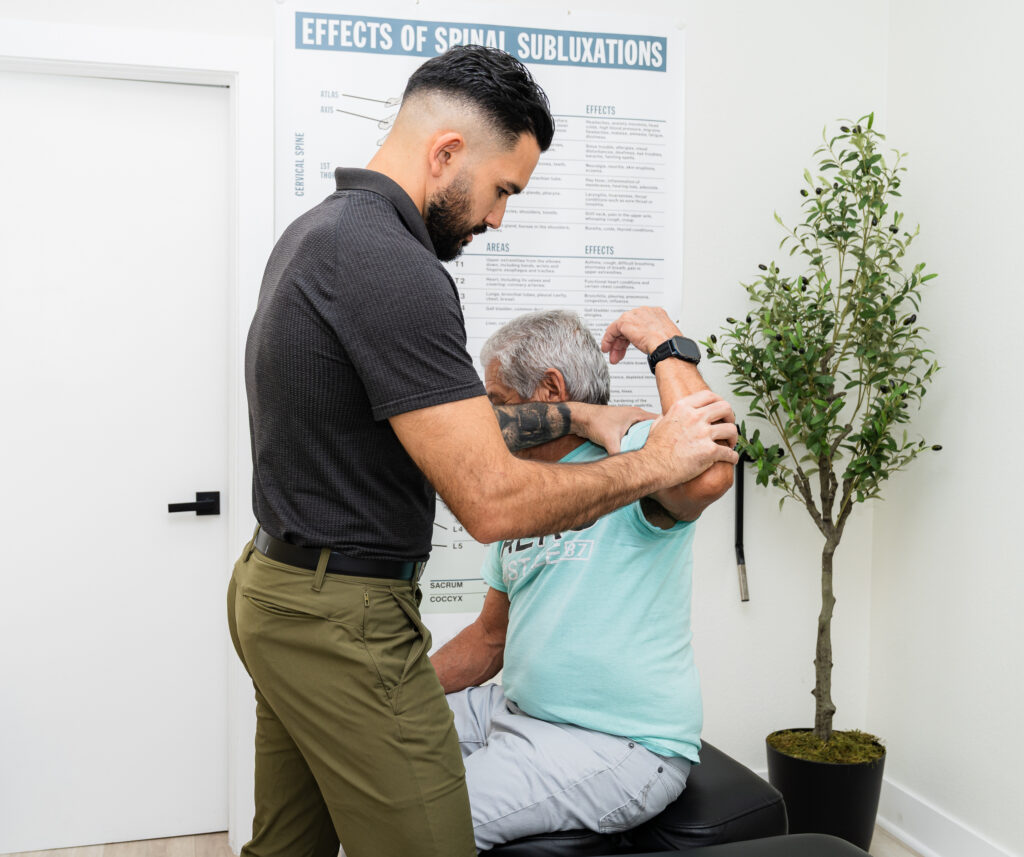

If you're dealing with chronic pain, I understand that you may be looking for alternatives to traditional treatments. As a local chiropractor, I want to share some natural methods that can help you find relief and improve your overall well-being. Techniques like mindfulness meditation and gentle yoga can play a significant role in managing pain. Additionally, exploring herbal remedies and making dietary adjustments can support your recovery process. It's important to adopt a holistic approach to pain management, and I encourage you to consider these ten strategies that could transform your experience. What do you think your first step towards relief will be?
Practice Mindfulness Meditation
As a chiropractor, I want to share with you a valuable approach to managing chronic pain: mindfulness meditation. This practice can be an essential complement to chiropractic care, helping you cultivate a better relationship with your body and pain. By focusing your attention on the present moment, mindfulness allows you to shift your perception of pain and potentially reduce its intensity.
It's about becoming aware of your thoughts and feelings without judgment, which can empower you to cope with discomfort more effectively.
To begin incorporating mindfulness into your routine, find a quiet space where you can relax without distractions. You can either sit or lie down comfortably, close your eyes, and start with a few deep breaths. As you breathe in and out, gently focus on the sensations throughout your body. Pay attention to any areas that feel tense or painful. Instead of trying to push these feelings away, acknowledge them and accept their presence.
This acceptance can help diminish their control over your life.
If you're new to mindfulness, consider using guided meditations or mindfulness apps. These can be incredibly helpful in providing structure as you learn to navigate this practice. Aim for at least 10-20 minutes of meditation each day. Over time, many of my patients notice a significant increase in their ability to manage pain and a greater sense of resilience in their daily lives.
Incorporate Gentle Yoga
As a local chiropractor, I want to introduce you to the incredible benefits of incorporating gentle yoga into your daily routine, especially if you're dealing with chronic pain.
Many of my patients have found that engaging in simple yoga poses can significantly enhance their flexibility and alleviate tension throughout their bodies.
By integrating gentle yoga into your regimen, you may not only experience relief from physical discomfort but also notice improvements in your mental well-being.
Regular practice can promote better posture, enhance your body awareness, and support the healing process that we aim for with chiropractic care.
I encourage you to explore this holistic approach to health and discover how it can complement your journey to wellness.
Benefits of Gentle Yoga
As a local chiropractor, I want to introduce you to the benefits of gentle yoga, especially for those of you living with chronic pain. This practice can be a rejuvenating addition to your wellness routine, offering a natural approach to relief and overall well-being. Gentle yoga focuses on slow, deliberate movements paired with deep breathing, which can significantly help in reducing tension throughout your body.
Incorporating gentle yoga into your daily life may lead to increased flexibility and enhanced circulation—both vital components in managing pain effectively. As you engage in these gentle movements, you may also find that they promote better posture. This is crucial for alleviating strain on your muscles and joints, ultimately contributing to your pain management journey.
Furthermore, gentle yoga emphasizes mindfulness, encouraging you to connect with your body and emotions. This mental focus can help lower stress and anxiety, which are often intertwined with chronic pain. By fostering a calm mind, you may experience improved overall health and well-being.
One of the best aspects of gentle yoga is its adaptability. You don't need to push yourself beyond your limits; instead, you can progress at a pace that feels comfortable for you. This fosters a sense of empowerment and control over your pain, which can be incredibly beneficial in your healing process.
Lastly, attending gentle yoga classes can provide you with a supportive community. Sharing your experiences with others can alleviate feelings of isolation as you navigate your journey toward better health. Embracing gentle yoga could be a transformative step towards achieving a more balanced and pain-free life.
Simple Yoga Poses
As a local chiropractor, I want to share some gentle yoga poses that can significantly aid in alleviating chronic pain and enhancing your overall well-being. Many of my patients find these simple movements helpful as they complement chiropractic care and promote natural healing.
One of the most accessible poses is Child's Pose. This position gently stretches your back and hips, providing a calming effect that many of my patients appreciate. To practice this pose, start on your hands and knees, then lower your hips back toward your heels while extending your arms forward. It's a great way to relieve tension in the body.
Another beneficial pose is Cat-Cow. This dynamic movement warms up your spine and alleviates tension, which aligns perfectly with the goals of chiropractic care. Begin on all fours, arch your back while inhaling for Cow Pose, then round your spine while exhaling for Cat Pose. This flow can help improve your spinal flexibility and overall spinal health.
The Seated Forward Bend is also excellent for stretching the hamstrings and lower back. Sit with your legs extended, reach forward toward your feet, and enjoy the gentle stretch. This pose can help counteract the effects of prolonged sitting and improve your posture.
Finally, I encourage you not to overlook the benefits of Legs-Up-the-Wall Pose. This restorative position promotes relaxation, reduces swelling in the legs, and can enhance circulation. Simply lie on your back and extend your legs up against a wall; it's a wonderful way to decompress after a long day.
Incorporating these simple poses into your daily routine can greatly contribute to pain relief and improve your quality of life. Always listen to your body and feel free to modify the poses as needed to ensure your comfort.
Explore Acupuncture Benefits
As a local chiropractor, I want to share how acupuncture can be a transformative approach to managing chronic pain.
This holistic practice involves the stimulation of specific points on your body, which can activate your natural pain relief systems in ways you may not be aware of.
Beyond just addressing physical discomfort, each acupuncture session provides a valuable opportunity for relaxation and rejuvenation, making it a holistic experience rather than just a medical treatment.
I encourage you to explore this natural healing method as part of your overall wellness journey.
Pain Relief Mechanism
As a local chiropractor, I want to share with you the healing benefits of natural therapies, particularly acupuncture, which many have found helpful in managing chronic pain.
This ancient practice, rooted in traditional Chinese medicine, involves the careful insertion of thin needles into specific points on your body. By doing so, it stimulates the flow of energy and promotes your body's natural healing processes.
When you experience acupuncture, your body responds by releasing endorphins—your natural painkillers. This not only helps to alleviate your pain but also enhances your overall sense of well-being.
Moreover, acupuncture boosts blood circulation in the areas that need it most. Improved blood flow means that your muscles and tissues receive more oxygen and essential nutrients, which can speed up recovery and reduce inflammation. This is crucial for anyone dealing with chronic pain.
Additionally, this practice can help regulate your nervous system, which is particularly important because stress and anxiety often accompany chronic pain.
Treatment Session Benefits
As a local chiropractor, I want to share with you the incredible benefits that come from incorporating acupuncture into your wellness routine. Many people may not realize that acupuncture can provide more than just immediate pain relief. One of the first things you may experience during a session is a profound sense of relaxation. The fine needles used in acupuncture stimulate specific points in your body, prompting the release of endorphins—our natural pain relievers. This not only alleviates tension but also fosters an overall sense of well-being.
Beyond relaxation, acupuncture can significantly enhance your energy levels. Many of my patients have reported feeling invigorated after their sessions, which can lead to improved performance in daily activities and an overall boost in quality of life.
You might also find that your sleep patterns improve; acupuncture has been shown to help regulate sleep cycles, meaning you can wake up feeling more refreshed and ready to tackle the day.
Acupuncture also plays an essential role in supporting your body's innate healing processes. By enhancing circulation and reducing inflammation, it can contribute to long-term pain management. Many of my patients discover that regular acupuncture sessions yield cumulative benefits, making them an integral part of their overall health plan.
Finally, acupuncture encourages a stronger connection between your mind and body. This enhanced awareness can empower you to make more mindful health choices. By integrating acupuncture into your wellness journey, you're investing in your holistic health and setting the stage for a more balanced and fulfilling life.
Utilize Herbal Remedies
As a local chiropractor, I want to share with you the benefits of incorporating herbal remedies into your pain management routine. These natural solutions have been utilized for centuries and can complement the chiropractic care you receive.
One herb that many people find helpful is turmeric. It contains curcumin, which has been shown to have powerful anti-inflammatory and analgesic properties. You can easily add turmeric to your meals or consider taking it as a supplement to support your body's healing process.
Another herb to consider is ginger. Not only is it a common ingredient in our kitchens, but it also has significant anti-inflammatory effects that can help alleviate pain. Try brewing a soothing cup of ginger tea or adding fresh ginger to your meals for both flavor and health benefits.
Willow bark is another traditional remedy worth exploring. Historically used for pain relief, it contains salicin, a compound that works similarly to aspirin. You can find willow bark in various forms, including teas and supplements. However, I always recommend consulting with your healthcare provider before trying new remedies.
Don't overlook the soothing properties of peppermint oil. When diluted with a carrier oil, it can be massaged into the skin to ease muscle tension and discomfort. This can be a great complement to the adjustments you receive in our office.
Lastly, there's capsaicin, derived from hot peppers. This natural remedy helps reduce the amount of substance P, a chemical that sends pain signals to the brain. You can find creams or patches containing capsaicin to apply directly to painful areas.
Always remember, it's important to consult with me or another healthcare professional before starting any herbal remedies, particularly if you're currently on medication or have specific health concerns.
Integrating these natural options can enhance your recovery and overall well-being alongside the chiropractic care you receive.
Maintain a Balanced Diet
As a local chiropractor, I want to emphasize the importance of a balanced diet in managing chronic pain.
Incorporating anti-inflammatory foods such as berries, leafy greens, and fatty fish can make a significant difference in your overall health. Staying well-hydrated is equally crucial.
Proper nutrition not only aids in reducing inflammation but also enhances your overall well-being, which complements the chiropractic care you may receive.
Anti-Inflammatory Foods
As a local chiropractor, I often emphasize the importance of nutrition in managing chronic pain and promoting overall wellness. One key aspect of this is incorporating anti-inflammatory foods into your diet. These foods play a crucial role in reducing inflammation in your body, which can be a major factor contributing to chronic pain.
To start, I recommend adding a variety of fruits to your meals, such as berries, cherries, and oranges. These fruits are rich in antioxidants that help combat inflammation.
Leafy greens, like spinach and kale, are also vital; they offer essential vitamins and minerals that support your overall health and well-being.
Healthy fats are another important component of an anti-inflammatory diet. Foods such as olive oil, avocados, and fatty fish, like salmon and mackerel, are excellent sources of omega-3 fatty acids, which are known for their anti-inflammatory effects.
Additionally, consider spicing up your dishes with turmeric and ginger; both of these spices are recognized for their pain-relieving properties.
Don't overlook whole grains, nuts, and seeds as well. These foods provide not only fiber but also essential nutrients that contribute to a balanced diet, further supporting your health and healing process.
Hydration Importance
As a local chiropractor, I want to emphasize the critical role that hydration plays in managing chronic pain and supporting a balanced diet. Staying properly hydrated is essential for maintaining healthy joints, reducing inflammation, and ensuring your body functions optimally.
When you're adequately hydrated, you may notice improvements in your energy levels and mood—both of which are crucial for effective pain management.
Here are some practical tips to help you stay hydrated:
- Drink Water Regularly: I recommend aiming for at least eight 8-ounce glasses of water each day. However, feel free to adjust this based on your activity level, climate, and personal needs.
- Include Hydrating Foods: Incorporate more fruits and vegetables into your diet. Foods like cucumbers, oranges, and watermelon aren't only nutritious but also have high water content, contributing to your overall hydration.
- Limit Caffeine and Alcohol: These beverages can lead to dehydration, so it's best to consume them in moderation. Consider swapping them for water or herbal teas when possible.
- Listen to Your Body: If you find yourself feeling thirsty, don't ignore those signals! Thirst is a natural indication that your body needs more fluids.
- Use a Reusable Water Bottle: Keeping a water bottle with you throughout the day serves as a great reminder to hydrate regularly.
By prioritizing hydration in your daily routine, you can support your chiropractic care and enhance your overall well-being.
Apply Heat or Cold Therapy
As a local chiropractor, I want to share with you the benefits of using heat and cold therapy to help manage chronic pain and improve your overall well-being. Understanding when to use each method can be a game-changer in your pain relief journey.
Heat therapy is a fantastic option for alleviating muscle tension and stiffness. By applying a warm compress, heating pad, or enjoying a warm bath, you can enhance blood circulation to the affected area. This not only promotes relaxation but also aids in healing.
Just remember to keep the temperature moderate to avoid burns, and limit your sessions to about 20 minutes at a time for safety.
On the flip side, cold therapy is incredibly effective for combating acute pain and reducing inflammation. Using ice packs or cold compresses can numb the painful area, which helps decrease swelling and provides quick relief.
It's important to wrap your ice pack in a cloth to protect your skin and to apply it for no more than 20 minutes at a time. You can safely repeat this every hour as needed.
In some cases, alternating between heat and cold therapy can provide optimal results. You might start with cold therapy to tackle inflammation, then transition to heat to help relax tight muscles.
Pay close attention to your body's responses and adjust your approach based on your unique pain symptoms.
By incorporating heat or cold therapy into your daily routine, you can experience a significant reduction in discomfort. This natural approach not only helps manage chronic pain but also allows you to enjoy life more fully.
As your chiropractor, I'm here to guide you on your path to better health and comfort.
Engage in Regular Exercise
As a local chiropractor, I want to share how engaging in regular exercise can be a vital component of your journey toward managing chronic pain naturally. Exercise not only strengthens your muscles and improves flexibility, but it also has a remarkable ability to uplift your mood and alleviate stress.
By incorporating physical activity into your daily routine, you may discover significant improvements in your overall well-being and pain management.
When you participate in exercise, your body naturally releases endorphins—these are your body's own pain-relievers. Here are some types of exercises that I often recommend to my patients for effective chronic pain relief:
- Low-impact aerobics: Activities such as swimming or cycling are gentle on your joints while still offering great cardiovascular benefits. They can be particularly helpful if you're dealing with joint discomfort.
- Strength training: Building muscle strength is crucial as it supports and protects your joints, making everyday tasks easier and reducing strain.
- Yoga: This practice emphasizes flexibility, balance, and relaxation. It allows for gentle stretching and can help ease pain while promoting mindfulness.
- Walking: A simple and accessible form of exercise, walking boosts circulation and enhances your mood. It's a great starting point for anyone looking to stay active.
- Tai Chi: This gentle martial art involves slow, controlled movements, which can improve balance, flexibility, and relaxation. It's particularly beneficial for those who may find more vigorous exercise challenging.
Incorporating these forms of exercise into your routine can complement chiropractic care and promote a healthier, pain-free lifestyle.
Let's work together to find the best approach for you!
Try Essential Oils
As a chiropractor dedicated to helping you find relief from chronic pain, I want to introduce you to an often-overlooked ally in your healing journey: essential oils. These concentrated extracts from plants not only provide a variety of therapeutic benefits but can also enhance your overall well-being.
There are several ways to incorporate essential oils into your routine, whether that be through inhalation, topical application, or even adding them to a warm bath.
One essential oil that I frequently recommend for pain relief is lavender. Its calming properties can significantly reduce inflammation and muscle tension. You might try adding a few drops of lavender oil to a diffuser or diluting it with a carrier oil before applying it to any sore areas.
Another effective option is peppermint oil; its cooling sensation can offer immediate relief for headaches and muscle aches. Just be sure to test a small patch of skin first to ensure there's no irritation.
Eucalyptus oil is another great choice, known for its anti-inflammatory properties. You can inhale its refreshing aroma while relaxing or use it in steam inhalation to help clear your airways and alleviate pain.
For those struggling with joint pain, ginger oil may be worth considering, as its warming properties can help improve circulation and ease discomfort.
I encourage you to explore the potential of creating your own personalized essential oil blend. This experimentation might lead you to discover what works best for your unique needs.
By integrating essential oils into your daily routine, you may find a natural and effective way to manage your chronic pain alongside chiropractic care.
However, it's essential to remember that while essential oils can be beneficial, they aren't a substitute for medical treatment. Always consult with your healthcare provider, including myself, for tailored guidance on your healing journey.
Prioritize Quality Sleep
As a local Chiropractor dedicated to helping you manage chronic pain, I want to emphasize the importance of quality sleep in your healing journey. Sleep isn't merely a time for rest; it's a crucial component of recovery and overall health. By prioritizing quality sleep, you can significantly reduce your pain levels, improve your mood, and enhance your well-being.
To help you create a sleep-friendly environment and routine, here are some tips that I recommend:
- Establish a Regular Schedule: Aim to go to bed and wake up at the same time every day. This consistency helps regulate your body's internal clock, making it easier to fall asleep and wake up refreshed.
- Create a Relaxing Bedtime Ritual: Engage in calming activities before bedtime, like reading a book or taking a warm bath. These rituals signal to your body that it's time to wind down and prepare for sleep.
- Limit Screen Time: Try to reduce your exposure to screens at least an hour before bedtime. The blue light emitted by phones and computers can interfere with the production of sleep hormones, making it harder for you to fall asleep.
- Optimize Your Sleep Environment: Ensure that your bedroom is conducive to sleep. Aim for a dark, cool, and quiet space. Consider using blackout curtains to block out light and white noise machines to mask any disruptive sounds.
- Watch Your Diet: Be mindful of what you eat and drink in the hours leading up to bedtime. Heavy meals, caffeine, and alcohol can disrupt your ability to fall asleep and stay asleep, so it's best to avoid them close to bedtime.
Incorporating these practices into your nightly routine can lead to a more restful sleep, which plays a vital role in your recovery from chronic pain.
If you have any questions or need further guidance, feel free to reach out to me during your next visit!
Seek Supportive Therapies
As a local chiropractor, I want to share some insights about managing chronic pain and the supportive therapies that can significantly enhance your overall well-being. It's important to know that you don't have to navigate this journey alone; there are various natural healing options available that can help alleviate pain and improve your quality of life.
One effective approach is chiropractic care, which focuses on the relationship between the spine and the nervous system. By performing gentle adjustments, I can help realign your spine, relieve pressure on nerves, and restore proper function. This can lead to a reduction in pain and an improvement in mobility, allowing you to participate more fully in your daily activities.
In addition to chiropractic adjustments, I encourage exploring physical therapy as part of your treatment plan. A qualified physical therapist can create a personalized exercise program that strengthens your body and reduces discomfort. Regular sessions can facilitate recovery and enhance your physical capabilities.
Acupuncture is another alternative therapy you might consider. This ancient practice involves the insertion of thin needles at specific points on the body and has been shown to provide pain relief and promote relaxation. Many patients have reported positive outcomes after undergoing acupuncture treatments.
Massage therapy is also a beneficial option for those dealing with chronic pain. It can help relieve muscle tension, improve circulation, and foster relaxation. Whether you choose a deep tissue or a gentle relaxation massage, the right technique can greatly alleviate your discomfort.
Another important aspect of managing chronic pain is emotional support. Joining a support group can connect you with others who understand your struggles, offering emotional comfort and practical advice. Sharing experiences with fellow patients can provide valuable insights into coping strategies that you may not have considered.
Lastly, I encourage you to explore holistic practices such as yoga or tai chi. These activities not only promote flexibility and strength but also emphasize mindfulness, allowing you to manage pain through mental clarity and relaxation techniques.
If you have any questions about these therapies or how they can complement your chiropractic care, please feel free to reach out. Together, we can create a comprehensive approach to managing your chronic pain and improving your overall health.
Conclusion
As a local chiropractor, I want to share some natural methods that can help you manage chronic pain and improve your overall well-being. Incorporating practices like mindfulness and gentle yoga into your daily routine can significantly alleviate discomfort. Additionally, exploring herbal remedies may provide relief.
Quality sleep is crucial for recovery, so it's important to prioritize rest and consider supportive therapies that can complement your chiropractic care. Each individual is unique, so finding the right combination of techniques that work for you is key. With patience and persistence, you can take control of your pain and enhance your quality of life through natural healing methods. Remember, I'm here to guide you on this journey toward better health and wellness.