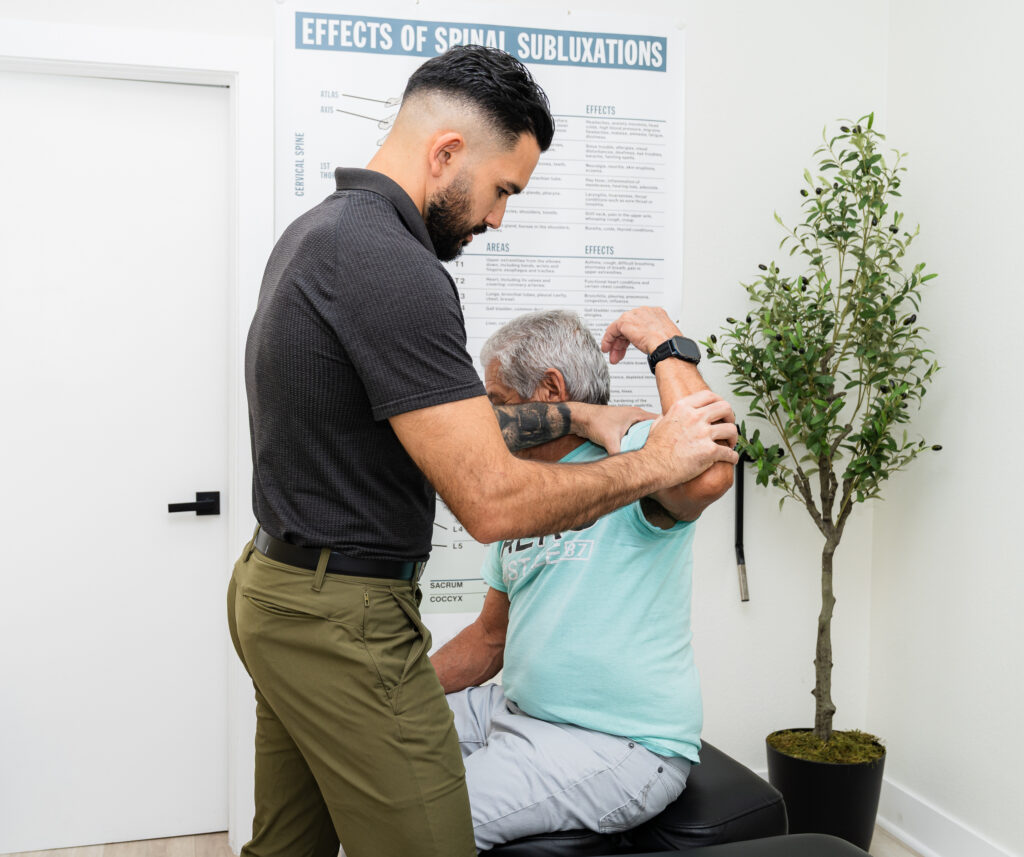

As a local chiropractor dedicated to your health, I want to share some effective strategies for preventing chronic pain naturally. Many people are unaware that simple lifestyle changes can have a significant impact on their overall well-being. For starters, incorporating regular exercise into your routine can strengthen your muscles and improve flexibility, which is essential for maintaining a healthy spine.
Equally important is a balanced diet. The foods you consume can influence inflammation levels in your body, so opting for nutrient-dense options can help keep pain at bay. Additionally, managing stress is crucial; high stress can lead to muscle tension and discomfort. I recommend practicing relaxation techniques, such as deep breathing or meditation.
Sleep hygiene is another vital aspect of pain prevention. Ensuring you get quality sleep allows your body to heal and rejuvenate. You might be surprised at how making these small adjustments can lead to significant improvements in your comfort levels.
Moreover, exploring alternative therapies, such as chiropractic care, can provide you with additional relief. Many patients have found that regular adjustments help align their spine, reducing pain and enhancing mobility. Natural supplements may also play a role in your pain management journey, so it's worth discussing these options with your healthcare provider.
By discovering which methods resonate with you and your lifestyle, you can take proactive steps toward a pain-free life. I'm here to guide you through this process and help you find the best solutions tailored to your individual needs.
Regular Exercise
As a local chiropractor, I want to emphasize the significant role regular exercise plays in preventing chronic pain and promoting overall wellness. Engaging in consistent physical activity not only strengthens your muscles and enhances flexibility, but it also helps reduce the risk of injuries and discomfort.
Whether you enjoy walking, swimming, or practicing yoga, incorporating movement into your routine is essential for keeping your joints well-lubricated and functioning optimally.
In addition to physical benefits, exercise has a profound impact on your mental health. It can elevate your mood and alleviate stress, both of which are important factors in managing chronic pain. When you exercise, your body releases endorphins—natural chemicals that act as pain relievers.
This creates a positive cycle: as you work to prevent pain through exercise, you're also boosting your overall sense of well-being.
I encourage you to find activities that you genuinely enjoy, as this will make it easier for you to maintain a consistent exercise routine. Aim for at least 150 minutes of moderate aerobic activity each week, complemented by strength training exercises at least twice a week.
If you prefer, you can break this down into shorter sessions that fit better into your lifestyle.
It's crucial to listen to your body and make adjustments as needed. If you experience pain during any activity, it's important to stop and evaluate what's causing it.
As your chiropractor, I'm here to assist you in understanding your body's signals and to help you with any questions you may have about starting or modifying your exercise regimen.
Healthy Diet
As your local chiropractor, I want to emphasize how crucial a healthy diet is for preventing chronic pain and enhancing your overall well-being. Many people don't realize that the foods you consume can significantly influence inflammation levels in your body, a key factor in chronic pain. By incorporating anti-inflammatory foods into your daily meals, you can help alleviate discomfort and facilitate the healing process.
Focus on whole, nutrient-rich foods such as fruits, vegetables, whole grains, lean proteins, and healthy fats. Foods high in omega-3 fatty acids—like salmon, walnuts, and flaxseeds—are particularly beneficial for reducing inflammation and supporting joint health. Additionally, colorful fruits and vegetables, such as berries, spinach, and sweet potatoes, are loaded with antioxidants that help combat oxidative stress, further assisting in pain reduction.
Don't forget about the importance of staying hydrated. Drinking plenty of water is essential for maintaining joint lubrication and ensuring your body functions optimally. Conversely, it's best to minimize your intake of processed foods, sugars, and trans fats, as these can lead to increased inflammation and worsen pain.
Moreover, consider the role of portion control in your diet. Overeating can result in weight gain, which places extra stress on your joints and can exacerbate pain. Aim for balanced meals that fill you up without leading to overindulgence.
Stress Management
As a local chiropractor, I want to emphasize the importance of managing stress to prevent chronic pain. Many of my patients are surprised to learn how techniques like mindfulness and meditation can play a significant role in achieving balance in their lives.
By incorporating deep breathing exercises into your daily routine, you can effectively reduce tension and promote relaxation, which is crucial for overall health.
Chiropractic care focuses on restoring proper alignment and function to your body, but it's equally important to address the mental and emotional aspects of health. Stress can lead to muscle tightness and discomfort, further exacerbating physical issues.
By integrating practices such as mindfulness and meditation, you can create a holistic approach to wellness.
Let's explore how these simple yet powerful techniques can positively impact your daily life, enhance the benefits of chiropractic adjustments, and contribute to your overall well-being. Together, we can work towards a healthier, pain-free future.
#
Mindfulness and Meditation
As a chiropractor dedicated to your holistic health, I want to share how mindfulness and meditation can serve as valuable tools in managing stress and promoting overall well-being. These practices can significantly reduce the risk of chronic pain, something I see many patients struggling with in my practice.
By focusing your attention on the present moment, mindfulness helps to lower anxiety levels, which can contribute to physical discomfort. When you become more aware of your thoughts and feelings without judgment, you create a powerful way to manage stress effectively, which is essential for maintaining spinal health and overall wellness.
Here are some straightforward ways to weave mindfulness and meditation into your daily life:
- Set aside time: I encourage you to carve out a few minutes each day for mindfulness or meditation. This small investment can yield great benefits for your mind and body.
- Find a quiet space: Identify a comfortable and peaceful area where you can relax without interruptions. This will help you focus better during your practice.
- Use guided sessions: If you're new to meditation, consider using apps or online videos that offer guided sessions. These resources can help ease you into the practice.
- Practice gratitude: Take a moment to reflect on the things you're grateful for. This simple exercise can shift your focus away from stressors and promote a positive mindset.
By incorporating mindfulness and meditation into your routine, you can enhance your emotional regulation and potentially alleviate chronic pain. Making these practices a regular part of your life can foster resilience against stress, ultimately leading to an improved quality of life.
As your chiropractor, I'm here to support you on your journey to better health, and I believe that combining chiropractic care with these mindfulness practices can create a more holistic approach to your wellness.
Deep Breathing Techniques
As a local chiropractor, I often emphasize the importance of deep breathing techniques in managing stress and alleviating chronic pain. Many of my patients are surprised to learn that by simply focusing on your breath, you can engage your body's natural relaxation response. This response helps calm your mind and ease tension, ultimately contributing to your overall well-being.
To begin incorporating deep breathing into your routine, find a comfortable position, whether it's sitting in a chair or lying down on a supportive surface. Close your eyes and take a slow, deep breath in through your nose, allowing your abdomen to rise fully. Hold that breath for a brief moment, then exhale slowly through your mouth, consciously feeling your body relax with each out-breath.
Repeat this process for several minutes, paying attention to the natural rhythm of your breath.
Another effective technique I recommend is the 4-7-8 method. In this practice, you inhale for four counts, hold your breath for seven counts, and then exhale for eight counts.
Integrating these deep breathing practices into your daily life can significantly help you manage stress, which in turn can lead to a reduction in chronic pain over time. Remember, consistency is important! Make deep breathing a regular part of your wellness routine to experience the best results in your journey to better health.
Adequate Sleep
As your local chiropractor, I want to emphasize how vital adequate sleep is for preventing chronic pain and enhancing your overall health.
Establishing good sleep hygiene is a key step in this process. One of the first things we can do is optimize your sleep environment to create a more restful atmosphere. This small adjustment can lead to significant improvements in your well-being.
Let's discuss some effective practices that can help you achieve better sleep quality and, in turn, support your body's natural healing processes.
Sleep Hygiene Practices
As a local chiropractor, I want to emphasize the importance of sleep hygiene in preventing chronic pain and promoting overall well-being. Many of my patients are often surprised to learn how closely linked quality sleep is to pain management.
By adopting healthy sleep habits, you can enhance your sleep quality and potentially reduce your risk of experiencing chronic pain. Here are some effective sleep hygiene practices that I encourage my patients to consider:
- Establish a Consistent Sleep Schedule: Try to go to bed and wake up at the same time every day. This helps regulate your body's internal clock and can lead to more restorative sleep.
- Limit Stimulants: Be mindful of your caffeine and nicotine intake, especially in the hours leading up to bedtime. These substances can interfere with your ability to fall asleep and stay asleep.
- Create a Calming Bedtime Routine: Develop a relaxing pre-sleep routine that signals to your body that it's time to wind down. This could include activities like reading, gentle stretching, or meditation.
- Avoid Heavy Meals and Strenuous Exercise Before Bed: Eating large meals or engaging in vigorous physical activity right before bedtime can disrupt your sleep. Aim to finish eating at least a few hours before you plan to sleep.
By incorporating these practices into your daily routine, you can support your body's natural healing processes and enhance your overall health.
Sleep Environment Optimization
As a local chiropractor, I want to emphasize the importance of creating an optimal sleep environment to enhance your sleep quality and alleviate chronic pain. A well-designed sleep space can significantly impact your overall health and recovery.
First and foremost, ensure that your bedroom is dark, quiet, and cool. Darkness is essential for the production of melatonin, which regulates sleep. Consider investing in blackout curtains to keep light out and use earplugs or a white noise machine to drown out disruptive sounds. The ideal temperature for restful sleep typically falls between 60 to 67 degrees Fahrenheit, so make adjustments to your thermostat to achieve this range.
Next, focus on your mattress and pillows. These are crucial for providing the appropriate support for your spine and the rest of your body. Everyone has different preferences when it comes to firmness and material, so take the time to test various options.
Remember, a good mattress should be replaced every 7-10 years to ensure you're receiving the support you need for healthy alignment.
Additionally, keeping your sleep space clutter-free can help reduce stress and promote a calming atmosphere, which is essential for a good night's rest. Introducing calming scents, such as lavender, can further enhance relaxation and help prepare your body for sleep.
Lastly, be mindful of screen time before bed. The blue light emitted by phones, tablets, and computers can disrupt your natural sleep cycle, making it more challenging to fall asleep and stay asleep. Limiting this exposure can help your body transition into a restful state more easily.
Hydration
As a local chiropractor, I want to emphasize the vital role that proper hydration plays in preventing chronic pain and enhancing your overall health. Many people may not realize that when your body doesn't get enough water, it can lead to muscle stiffness, joint pain, and general discomfort.
Your joints require lubrication, and staying well-hydrated helps maintain that essential fluid balance. This is especially crucial as we age, as our bodies naturally become less efficient at retaining water.
Here are some straightforward tips to help you stay hydrated and support your body's natural healing processes:
- Drink water consistently: Aim for at least eight 8-ounce glasses of water each day, but feel free to adjust this based on your activity level and the climate you're in. Hydration needs can vary greatly!
- Incorporate water-rich foods: Foods such as cucumbers, oranges, and watermelon are excellent choices. They not only hydrate you but also provide essential nutrients to support your body's functions.
- Limit dehydrating beverages: Be cautious with caffeinated and alcoholic drinks, as they can lead to increased fluid loss and may hinder your hydration efforts.
- Set reminders: Consider using your phone or a hydration app to remind you to drink water throughout the day. Making it a habit can significantly improve your hydration levels.
Always listen to your body. If you're feeling fatigued or experiencing headaches, these could be signs that you need to increase your water intake.
Proper hydration doesn't just alleviate discomfort; it also enhances circulation and nutrient delivery to your muscles, aiding in recovery after physical activities.
By prioritizing hydration, you're taking an important step toward reducing the risk of chronic pain and improving your overall well-being.
## Mindfulness and Meditation
As your local Chiropractor, I want to share how mindfulness and meditation can significantly aid in managing chronic pain.
Implementing simple breathing techniques can help alleviate tension in your body and encourage relaxation, complementing the adjustments we provide in our practice.
Additionally, incorporating guided imagery into your routine allows you to visualize pain-free experiences, which can be a powerful tool for coping with discomfort.
These natural healing methods work hand-in-hand with chiropractic care to enhance your overall well-being and improve your quality of life.
Breathing Techniques
As a local Chiropractor, I want to share with you the benefits of breathing techniques, especially those grounded in mindfulness and meditation. These practices can be incredibly helpful in managing chronic pain, which many of my patients experience.
By focusing on your breath, you can divert your attention from discomfort and foster a sense of calm. This not only enhances relaxation but also encourages a more positive response to pain.
Here are some effective breathing techniques you can incorporate into your daily routine:
- Diaphragmatic Breathing: This involves taking deep breaths into your belly, allowing it to rise and fall. By engaging your diaphragm, you activate your body's natural relaxation response, which can be particularly beneficial for those dealing with pain.
- 4-7-8 Breathing: Inhale gently for 4 seconds, hold that breath for 7 seconds, and then exhale slowly for 8 seconds. This method is excellent for reducing anxiety and stress, which can often exacerbate pain.
- Box Breathing: This technique involves inhaling for 4 seconds, holding your breath for another 4 seconds, exhaling for 4 seconds, and then pausing for 4 seconds. Repeating this cycle can help center your mind and bring about a sense of balance.
- Mindful Breathing: Take a moment to focus on each breath without any judgment. Pay attention to how your chest expands and contracts, allowing yourself to be anchored in the present moment. This practice can help you develop a stronger awareness of your body and its sensations.
Guided Imagery Sessions
As your local chiropractor, I want to share with you a powerful tool for managing chronic pain that you may not be familiar with: guided imagery sessions. This technique harnesses the power of your imagination to create calming and healing mental images, allowing you to shift your focus away from pain and promote relaxation.
To begin, find a quiet space where you can sit or lie down comfortably without distractions. Close your eyes and take a few deep breaths. Now, envision a peaceful landscape, such as a tranquil beach or a lush forest. Dive into the sensory details—feel the warmth of the sun on your skin, listen to the gentle sound of waves lapping at the shore, or breathe in the fresh scent of pine trees. Allow these soothing sensations to envelop you, helping to alleviate tension and discomfort.
Guided imagery can be especially beneficial when paired with other relaxation techniques that I may suggest during your visits. You may also consider listening to recordings or participating in sessions led by trained professionals who can help guide you through the process.
By incorporating guided imagery into your routine, you can train your mind to respond more positively to pain, enhancing your overall well-being. Embracing this natural approach not only supports your chiropractic care but also empowers you to take an active role in managing your chronic pain.
Together, we can explore these holistic methods to help you feel your best.
Physical Therapy
Chiropractic care is an effective approach to managing and preventing chronic pain naturally. As a local chiropractor, I work closely with patients to create personalized treatment plans that cater to your individual needs and goals. Through a hands-on approach, we aim to enhance mobility, strengthen your body, and improve overall physical function, which is crucial in alleviating pain.
Here are some significant benefits of incorporating chiropractic care into your pain management strategy:
- Tailored Adjustments: You'll receive specific spinal adjustments and manipulations designed to correct misalignments, relieve pressure on nerves, and enhance your body's natural ability to heal, which can greatly reduce discomfort.
- Holistic Techniques: Chiropractors utilize various hands-on methods such as spinal adjustments, soft tissue therapy, and therapeutic exercises to relieve tension, improve circulation, and promote healing.
- Patient Education: We provide valuable insights into your body's mechanics and effective pain management techniques, empowering you to actively participate in your recovery process.
- Preventative Care: I'll guide you on maintaining proper posture and body mechanics, helping you to avoid future injuries and minimize the likelihood of recurring pain episodes.
Moreover, chiropractic care encourages an active lifestyle, which is essential for overall health. It's not only about addressing current pain but also about laying the groundwork for long-term wellness.
Ergonomic Adjustments
As a local chiropractor, I want to share some valuable insights into how integrating ergonomic adjustments into your daily routine can significantly help in preventing chronic pain, particularly if you spend long hours at a desk or engage in repetitive activities.
It all starts with evaluating your workspace.
First and foremost, ensure that your chair provides proper support for your lower back. Your feet should rest flat on the ground; if your chair isn't adjustable, consider using a footrest or a cushion to achieve the correct height. This foundational support is crucial for maintaining a healthy posture throughout the day.
Next, let's talk about your desk setup. Position your computer monitor at eye level to avoid straining your neck. If you find yourself looking down or craning your neck upwards, it's essential to adjust the height of your monitor.
Additionally, keep your keyboard and mouse within easy reach to prevent excessive reaching, which can lead to shoulder and wrist strain. Ideally, your elbows should be at a 90-degree angle when typing, promoting a more relaxed posture.
Don't overlook the importance of regular breaks. Implementing the 20-20-20 rule is a simple yet effective strategy: every 20 minutes, take a moment to look at something 20 feet away for 20 seconds.
This practice not only reduces eye strain but also gives your muscles a chance to relax. Incorporating some gentle stretching exercises during these breaks can alleviate tension and enhance circulation.
Finally, consider incorporating ergonomic tools into your workspace, such as wrist supports or a standing desk. These tools can greatly reduce strain on your body and encourage better posture.
By making these straightforward adjustments, you'll enhance your comfort and significantly lower the risk of developing chronic pain over time.
Being mindful of your body's positioning is essential for safeguarding your long-term well-being.
As your chiropractor, I encourage you to take these steps seriously, as they can make a remarkable difference in your overall health and quality of life.
Natural Supplements
As a local chiropractor, I want to share some insights about how exploring natural supplements can significantly enhance your journey toward preventing chronic pain.
These supplements are designed to target inflammation, improve joint health, and promote overall wellness, making them a valuable addition to your health regimen.
Here are some natural supplements that I often recommend to my patients:
- Turmeric: This remarkable spice is renowned for its anti-inflammatory properties. It can help alleviate pain and stiffness, especially in the joints, making it a great ally against discomfort.
- Omega-3 Fatty Acids: Found in fish oil, omega-3s are celebrated for their ability to reduce inflammation. They may provide relief from pain related to conditions like arthritis, supporting your joint health.
- Ginger: This potent herb isn't just a flavorful addition to your meals; it also possesses anti-inflammatory effects that can ease muscle and joint pain.
- Glucosamine and Chondroitin: Often taken together, these supplements are known to support joint health and can help alleviate pain associated with osteoarthritis, promoting your mobility and comfort.
Before you start incorporating any of these supplements into your daily routine, I strongly encourage you to consult with your healthcare provider.
They can help ensure that the supplements are suitable for your individual needs and guide you on the appropriate dosages and combinations.
This way, you can maximize the benefits while minimizing any potential interactions with other medications you may be taking.
Avoiding Tobacco and Alcohol
As a local chiropractor, I want to emphasize how crucial lifestyle choices are in managing pain and enhancing your overall wellness. While natural supplements can certainly aid in this process, avoiding tobacco and alcohol is just as vital, particularly when it comes to preventing chronic pain.
Let's talk about tobacco first. When you smoke, the harmful chemicals in tobacco can constrict your blood vessels, limiting blood flow and oxygen to your tissues. This not only slows down the healing process but can also worsen conditions like arthritis and other chronic pain disorders. By quitting smoking, you can significantly improve your circulation, boost your overall health, and reduce your pain levels.
Now, regarding alcohol, it can have a detrimental effect on your body's natural pain regulation. Consuming alcohol can lead to dehydration and inflammation, and over time, it can even result in liver damage. These issues can create a domino effect, leading to various health problems that may contribute to chronic pain.
Additionally, alcohol can interfere with the effectiveness of many pain management strategies and medications, making it harder for you to find relief.
Choosing to avoid tobacco and alcohol isn't only beneficial for your physical health but also plays a significant role in your mental well-being. Many of my patients report that steering clear of these substances helps them manage stress and anxiety, both of which can amplify pain sensations.
As you explore chiropractic care and natural healing, remember that these lifestyle changes can enhance the benefits of your treatment and support a healthier, pain-free life. Your journey toward wellness starts with these important choices!
Conclusion
As a local chiropractor, I want to share with you some effective strategies that can help prevent chronic pain naturally. By incorporating these ten approaches into your daily routine, you can significantly lower your risk of experiencing persistent discomfort.
First and foremost, engaging in regular exercise is crucial. It not only strengthens your muscles and joints but also enhances your flexibility and overall physical health. Pairing this with a nutritious diet rich in whole foods will provide your body with the essential nutrients it needs to function optimally.
Effective stress management is another vital component. Chronic stress can contribute to pain, so finding ways to relax—whether through mindfulness, yoga, or other techniques—is essential for your well-being.
Don't underestimate the power of adequate sleep; it's during this time that your body heals and regenerates. Staying well-hydrated is equally important, as proper hydration supports all bodily functions, including pain management.
Consider making ergonomic adjustments in your workspace and daily activities to reduce strain on your body. Additionally, exploring natural supplements can provide support for your joints and overall health.
Lastly, if you currently smoke or consume alcohol, I encourage you to consider reducing or eliminating these habits, as they can exacerbate pain and hinder your healing process.
Remember, adopting these positive lifestyle choices not only aids in pain prevention but also enhances your overall health and happiness. Embracing chiropractic care can further support your journey to a pain-free life, so feel free to reach out if you have any questions or need guidance on how to get started.