
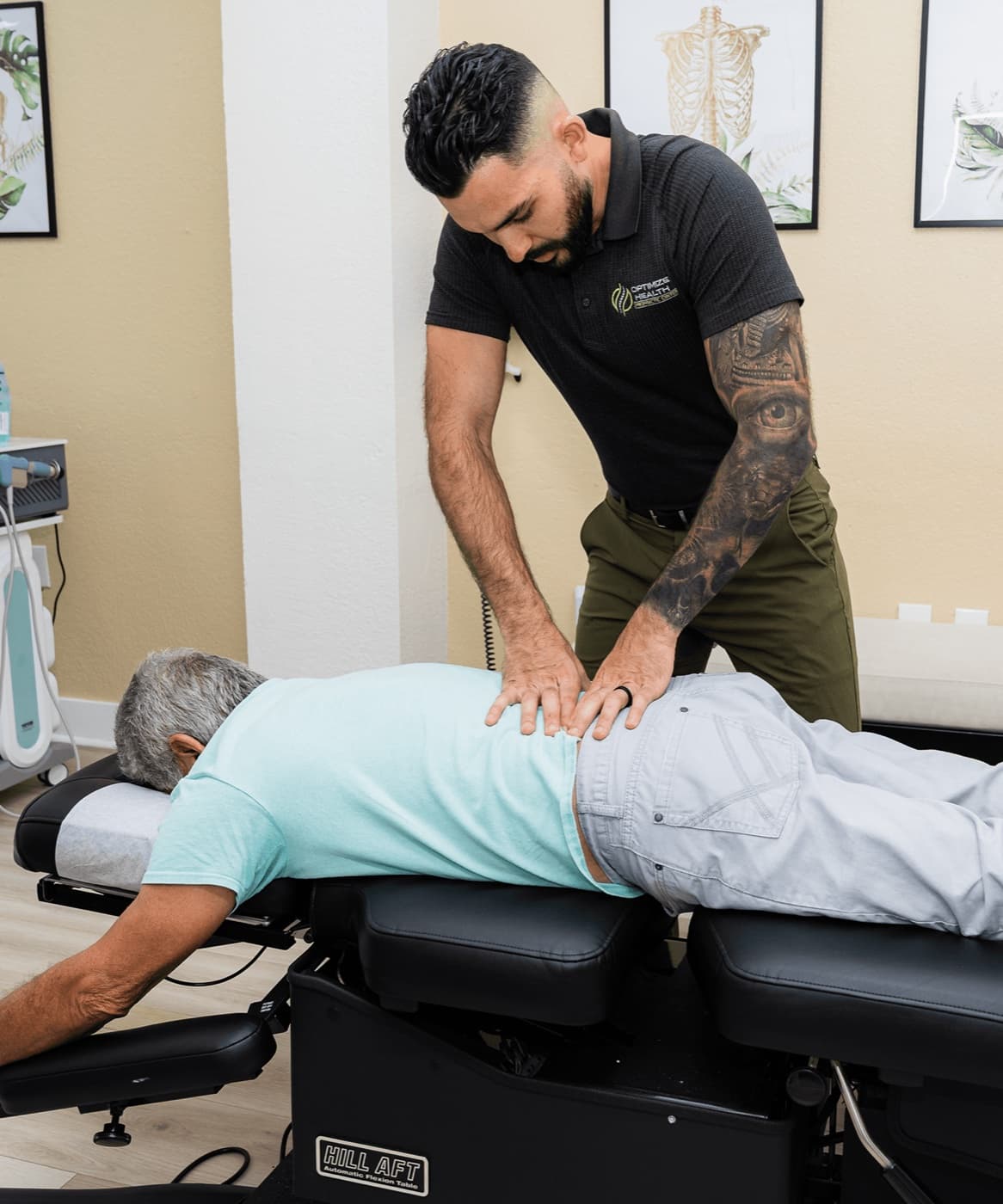
Effective Strategies for Chronic Pain Management

When it comes to managing chronic pain, it's important to recognize that there's no universal solution that works for everyone. At our chiropractic practice, we believe in exploring a variety of strategies tailored specifically to your unique needs. This could include chiropractic adjustments, physical therapy, and holistic approaches such as mindfulness and nutrition.

Many patients find that integrating these methods can lead to more effective relief than relying on a single treatment. But how can you determine which strategies will be most beneficial for you? It starts with gaining a deeper understanding of your pain and how your body responds to different therapies.

As your chiropractor, I'm here to guide you through this process. We'll work together to identify the root causes of your pain and develop a comprehensive plan that may include spinal adjustments to improve alignment, exercises to enhance strength and flexibility, and lifestyle changes to promote overall well-being. Let's embark on this journey towards better health together!

Understanding Chronic Pain

As a chiropractor, I want to help you understand what chronic pain really is and how it can impact your life. Unlike the temporary pain you might experience from an injury, chronic pain can persist long after the original cause has healed. It's more than just a physical sensation; it's a multifaceted condition that can deeply affect your emotional and mental well-being. Many of my patients express feelings of frustration, sadness, or even hopelessness as they struggle through their daily routines.

You might think of pain as a clear signal from your body indicating an injury, but chronic pain often stems from an abnormal response in your nervous system. Your brain and nerves can continue to send pain signals even when the initial injury has healed, leading to a cycle of discomfort that can seem never-ending. Over time, your body may become more sensitive to pain, making it essential to address not just the symptoms, but the underlying mechanisms at play.

It's also important to recognize the various types of chronic pain, such as neuropathic pain, musculoskeletal pain, or fibromyalgia. Each type has its unique characteristics and may require different management strategies. Understanding the source of your pain can empower you to communicate effectively with healthcare professionals, including chiropractors like myself.

Moreover, chronic pain can significantly affect your quality of life. It may limit your ability to work, socialize, or carry out daily activities. By taking the time to understand your pain and its implications, you're taking a crucial first step toward finding effective ways to manage it.

In our chiropractic practice, we focus on holistic, natural healing methods that can help you regain control over your life and overall well-being. Together, we can explore strategies that align with your body's natural healing abilities and improve your quality of life.

Medication Options

When it comes to managing chronic pain, many individuals may initially consider medication as a primary solution. However, as a local chiropractor, I want to emphasize the benefits of exploring natural healing methods before turning to pharmaceuticals. While medications such as acetaminophen or nonsteroidal anti-inflammatory drugs (NSAIDs) can provide relief for mild to moderate pain, they often only address the symptoms rather than the root causes of discomfort.

If over-the-counter options aren't sufficient, some may be prescribed stronger medications, like opioids, for severe pain. However, it's essential to understand the risks associated with these medications, including the potential for dependency. I encourage open discussions with your healthcare provider about the pros and cons of medication, but I also want to highlight that there are alternative approaches available that focus on holistic healing.

Chiropractic care, for example, works to identify and treat misalignments in the spine and joints, which can contribute to chronic pain. Techniques such as spinal adjustments, manual therapy, and therapeutic exercises can help restore proper function and alleviate pain naturally.

Additionally, certain conditions, particularly nerve pain, can benefit from complementary therapies like acupuncture, massage, and even lifestyle adjustments, which are often overlooked in traditional pain management strategies. These methods target the underlying issues that may be causing pain, providing relief where medications may fall short.

It's important to remember that every individual is unique, and what works for one person may not work for another. That's why maintaining a close relationship with your chiropractor is crucial. Together, we can monitor your progress and adjust treatment plans to find what best alleviates your pain.

Lastly, be mindful of how your body responds to different treatments and any potential interactions with other therapies you may be receiving. Keeping a pain diary can be an excellent resource for tracking your experiences and guiding our discussions about your natural pain management journey. Embracing a holistic approach can lead to lasting relief and improved overall well-being.

Physical Therapy Techniques

As a local chiropractor, I want to share how chiropractic care can be transformative in managing chronic pain.

Our focus on strengthening exercises not only helps to build resilience in your muscles but also promotes overall wellness.

Additionally, our hands-on manual therapy techniques can effectively relieve tension and enhance mobility.

By exploring these natural healing methods, you may discover substantial improvements in your daily life and overall quality of life.

Embracing chiropractic care can be a vital step towards reclaiming your health and vitality.

Strengthening Exercises

As a local chiropractor, I want to share with you the significant role strengthening exercises can play in managing chronic pain. These exercises not only help build resilience but also improve your mobility, which is crucial for your overall well-being.

By engaging in targeted exercises, you strengthen your muscles and enhance your body's overall function, which can lead to considerable pain relief and a greater ability to perform daily activities.

To get started, I recommend low-impact activities such as using resistance bands or light weights. Focus on major muscle groups, including your legs, core, and upper body.

As you progress and your strength improves, you can gradually increase the intensity and duration of your workouts. It's essential to listen to your body; if any exercise exacerbates your pain, don't hesitate to adjust or switch to a different one that feels more comfortable.

Incorporating stability-promoting exercises, such as squats or wall sits, is also beneficial. These movements strengthen the muscles that support your joints, which can help reduce strain and discomfort associated with chronic pain.

I encourage you to aim for consistency—try to integrate these strengthening exercises into your routine at least two to three times a week.

Remember, warming up before starting and cooling down afterward is crucial. Stretching can also play a vital role in maintaining flexibility and preventing injuries.

Manual Therapy Approaches

As a local chiropractor, I want to share how integrating manual therapy approaches can significantly enhance your journey in managing chronic pain. These hands-on techniques, performed by trained professionals like myself, are designed to alleviate pain, improve your mobility, and promote your overall well-being.

One of the effective methods we use is myofascial release, which targets the connective tissues surrounding your muscles. This technique helps relieve tension and restores normal movement patterns, allowing you to move more freely.

Joint mobilization is another valuable approach that focuses on restoring the proper function of your joints, making it easier and more comfortable for you to engage in daily activities. Additionally, soft tissue massage not only helps relax tight muscles but also boosts blood circulation, which can speed up the healing process.

Choosing a qualified chiropractor is essential, as we take the time to understand your specific condition and needs. During your sessions, we'll discuss your pain levels and track your progress, enabling us to tailor our treatments to work best for you.

While you might experience some initial discomfort, many of my patients report significant relief after just a few sessions.

Incorporating manual therapy into your routine provides a holistic approach to managing chronic pain. By combining these techniques with strengthening exercises, you're paving the way for a more effective pain management strategy.

Mindfulness and Relaxation

As your local chiropractor, I want to share how mindfulness and relaxation techniques can be effective tools for managing chronic pain. By integrating these practices into your daily routine, you can redirect your focus away from discomfort and cultivate a sense of calm and empowerment over your body.

Mindfulness encourages you to be present with your thoughts and feelings, while relaxation techniques can help alleviate stress, which often intensifies pain.

Here are some mindfulness and relaxation strategies you can easily incorporate into your life:

  • Deep Breathing: Start by focusing on your breath. Inhale deeply through your nose, hold it for a moment, and exhale slowly through your mouth. This simple exercise can help ground you in the present moment and reduce tension in your body.
  • Body Scan Meditation: Find a comfortable position, either sitting or lying down, and mentally scan your body from head to toe. Pay attention to any areas of tension or discomfort without judgment, and gently encourage those parts to relax. This practice not only enhances your awareness of bodily sensations but also fosters acceptance of how your body feels.
  • Guided Imagery: Visualize a serene scene, such as a tranquil beach or a lush forest, and immerse yourself in the vivid details. This technique can provide an escape for your mind, allowing you to step away from pain and experience a sense of peace.

Incorporating mindfulness and relaxation techniques into your life can significantly aid in managing chronic pain and contribute to your overall well-being.

As you practice these techniques more consistently, you may discover that your ability to cope with pain improves, helping you regain some quality of life.

Lifestyle Modifications

As a local Chiropractor, I want to share with you the importance of lifestyle modifications in managing chronic pain.

It's not just about addressing the symptoms; it's about making holistic changes to improve your overall well-being. This includes making balanced nutrition choices that nourish your body, engaging in regular physical activity that keeps your muscles and joints moving, and implementing effective stress management techniques to help calm your mind.

These lifestyle changes can significantly alleviate pain and enhance your quality of life.

Chiropractic care works hand-in-hand with these modifications, supporting your body's natural healing processes. Together, we can create a comprehensive approach that empowers you to take control of your health and find relief from chronic pain.

Balanced Nutrition Choices

As a chiropractor dedicated to helping you manage chronic pain naturally, I want to emphasize the significant role that balanced nutrition plays in your overall health and pain management. The foods you choose to consume can profoundly influence your body's response to pain and inflammation. By focusing on nutrient-dense options, you may experience fewer flare-ups and an improvement in your overall well-being.

Here are some key dietary elements I recommend incorporating into your routine:

  • Anti-inflammatory foods: Incorporate plenty of colorful fruits and vegetables, nuts, and fatty fish like salmon into your meals. These foods are known to help lower inflammation levels in your body, which can be crucial in managing pain.
  • Whole grains: Choose whole grains instead of refined carbohydrates. Whole grains are packed with essential nutrients and fiber, supporting your digestive health and helping to stabilize your blood sugar levels, both of which can positively impact your pain levels.
  • Hydration: Don't underestimate the importance of staying hydrated. Aim for at least eight glasses of water daily. Proper hydration is vital for maintaining your body's functions and aiding in the elimination of toxins, which can also contribute to pain and discomfort.

By making these balanced nutrition choices, you can support your body as it heals and potentially lessen the impact of chronic pain.

Regular Physical Activity

As a local chiropractor, I want to emphasize the importance of incorporating regular physical activity into your daily routine, especially when it comes to managing chronic pain. Engaging in consistent exercise can significantly enhance your flexibility, strength, and endurance, which are essential for alleviating discomfort associated with chronic pain conditions.

It's crucial to choose activities that resonate with you—whether it's walking, swimming, or cycling—because enjoying your exercise routine increases the likelihood that you'll stick with it. Start at a comfortable pace and gradually increase both the intensity and duration of your workouts.

I recommend aiming for at least 150 minutes of moderate aerobic activity each week, which you can easily break down into smaller, manageable sessions. Always listen to your body; if something doesn't feel right or you experience pain, it's important to modify your approach or take a break.

In addition to aerobic exercise, I encourage you to incorporate strength training into your routine at least twice a week. Building muscle can support your joints and enhance overall stability.

Don't overlook the benefits of stretching and flexibility exercises such as yoga or tai chi, which can improve your range of motion and reduce stiffness.

Remember, consistency is vital. By making physical activity a regular part of your life, not only can you help manage chronic pain, but you can also significantly improve your overall well-being.

Let's work together to find the right activities for you—get moving and start feeling the difference!

Stress Management Techniques

As a local chiropractor, I want to share some insights about managing stress, especially if you're dealing with chronic pain.

It's essential to understand that stress can significantly amplify your discomfort. When you're stressed, your body tends to tense up, which can heighten your perception of pain and create a challenging cycle to break.

To help you manage stress naturally, I recommend incorporating the following techniques into your daily routine:

  • Mindfulness and Meditation: Mindfulness practices can help you stay present and reduce anxiety, which is beneficial for both your mental and physical health. I suggest starting with just a few minutes each day to cultivate a sense of calm and relaxation.
  • Deep Breathing Exercises: Deep breathing is a simple yet powerful technique to alleviate stress. Focus on inhaling deeply through your nose, holding the breath for a moment, and then exhaling slowly through your mouth. This can help activate your body's relaxation response.
  • Engaging in Hobbies: Participating in activities that you love—like painting, gardening, or reading—can serve as a great distraction and elevate your mood. Hobbies not only provide enjoyment but also promote a sense of well-being, which is crucial for managing pain.

By integrating these stress management techniques into your life, you can create a more balanced state of mind, which can support your overall healing process.

Support Networks

As a local chiropractor, I want to emphasize the importance of support networks in managing chronic pain. These networks can provide emotional and practical assistance that can significantly enhance your healing journey. Surrounding yourself with a supportive group of family, friends, or even fellow patients who understand your struggle can truly make a difference.

Remember, you don't have to face this challenge alone. Sharing your experiences with others who can relate can help alleviate feelings of isolation and helplessness.

I encourage you to consider joining a local support group or an online community dedicated to those dealing with chronic pain. These platforms can serve as a safe space to express your feelings and connect with individuals who've navigated similar paths. You'll find encouragement, practical tips on coping strategies, and resources that may not have been on your radar before.

It's empowering to realize that you aren't alone in your journey, and the insights from others can be incredibly valuable.

Don't forget about the power of your immediate support circle, too. Friends and family can offer practical help—whether it's running errands, accompanying you to appointments, or simply providing a listening ear. Be open about your needs; many people want to help but may not know how to do so effectively.

Additionally, consider involving healthcare professionals, including your chiropractor, in your support network. We can provide educational resources about your condition, recommend specialists if necessary, and guide you toward effective natural treatment options tailored to your unique situation.

Together, we can help you find the relief and support you need on your path to wellness.

Conclusion

As a local chiropractor, I want to share with you some effective strategies for managing chronic pain that go beyond traditional medications. Chiropractic care focuses on the body's natural ability to heal itself, and by integrating various approaches, you can take control of your well-being.

First and foremost, regular chiropractic adjustments can help improve spinal alignment and relieve pressure on nerves, which may alleviate pain. In addition to adjustments, incorporating physical activity tailored to your needs is essential. Gentle exercises can enhance mobility and strengthen your body, aiding in pain management.

Mindfulness practices, such as meditation and deep breathing, can also play a significant role in your healing journey. These techniques help reduce stress and promote relaxation, which can be beneficial when coping with chronic pain.

Lifestyle changes, such as maintaining a balanced diet and ensuring proper hydration, are vital components of holistic pain management. Don't underestimate the power of a strong support network; whether it's friends, family, or a community group, having people who understand your journey can provide encouragement and valuable resources.

Remember, it's about discovering what combination of strategies works best for you. By staying proactive and open to natural healing methods, including chiropractic care, you can enhance your quality of life and manage your pain more effectively. Together, we can work towards a healthier, pain-free future.

Book Your Appointment

Get started on your path to optimal health today!

More Valuable Reading