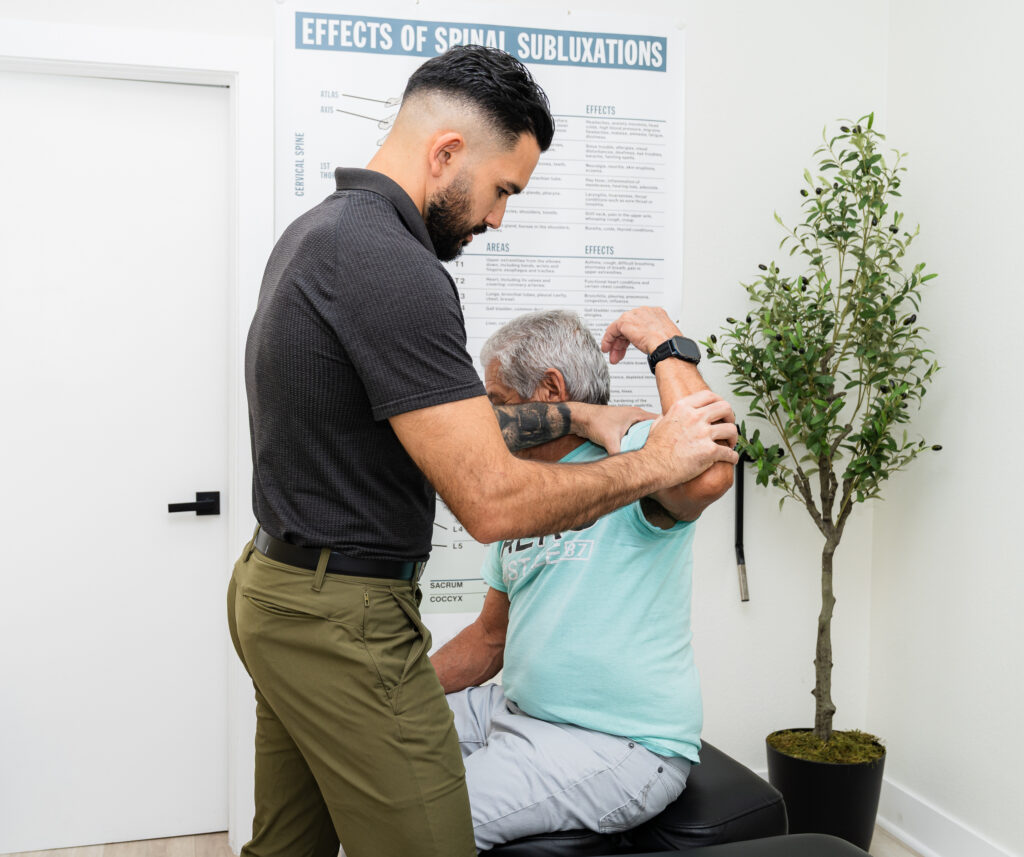

As a local chiropractor, I want to share how adopting a preventive wellness approach can truly enhance your quality of life when managing chronic pain. It's not just about treating symptoms; it's about focusing on a balanced lifestyle that encompasses proper nutrition, regular exercise, and effective stress management. By addressing these core areas, we can tackle pain before it escalates into something more debilitating.
Chiropractic care is a natural and holistic way to understand and address the underlying factors contributing to your discomfort. Many people are surprised to learn that simple lifestyle changes can lead to significant improvements in their pain levels. So, what specific strategies can you implement to create a more sustainable path to relief? Let's explore some options together.
Incorporating regular chiropractic adjustments can help align your spine, improve mobility, and reduce tension, which are essential for maintaining a healthy body. Coupled with a nutritious diet and consistent exercise, these practices create a powerful foundation for managing chronic pain effectively. I'm here to guide you in discovering the best strategies tailored to your individual needs, so you can enjoy a more comfortable and fulfilling life.
Understanding Chronic Pain
Chronic pain can feel like an unwelcome companion that weighs you down every day, impacting not just your physical health but also your overall quality of life. It often persists long after an injury has healed and can arise from conditions such as arthritis, fibromyalgia, or previous trauma.
As your local chiropractor, I want to help you understand chronic pain better so that you can take charge of your health and explore effective natural management strategies.
It's important to recognize that chronic pain isn't solely a physical issue; it can also affect your emotional well-being, sleep patterns, and daily routines. This type of pain can lead to feelings of frustration or helplessness, but remember, you're not alone in this. Many individuals face similar challenges, and acknowledging this reality is a crucial step toward finding relief.
When discussing chronic pain, it's essential to appreciate its complexity. It involves not only the physical sensations you experience but also the emotional and psychological responses that accompany them. Stress and anxiety can heighten your perception of pain, creating a challenging cycle.
By understanding how your mind and body interact, we can work together to develop strategies that address both aspects of your pain.
One practical approach I often recommend is keeping a pain diary. This tool can help you track triggers and patterns, allowing you to identify what exacerbates your discomfort. Gaining this awareness empowers you to make informed decisions about your lifestyle and treatment options, including chiropractic care.
The Role of Preventive Wellness
As your local chiropractor, I want to emphasize the vital role that preventive wellness plays in managing chronic pain and enhancing your overall health. By taking proactive steps, you can significantly reduce the impact of pain on your daily life and improve your well-being. This wellness approach focuses on identifying potential risk factors and implementing strategies to minimize them before they escalate into more serious issues.
A key aspect of preventive wellness is maintaining a balanced lifestyle. This goes beyond just physical health; it also encompasses your mental and emotional well-being. Eating a nutritious diet, staying hydrated, and ensuring you get adequate sleep are all essential for your body's ability to cope with pain more effectively. When you fuel your body with the right foods, you support its natural healing processes, which can lead to pain relief.
Managing stress is another crucial component of your wellness journey. Chronic pain can worsen due to stress, so it's important to find effective ways to manage it. Techniques such as mindfulness, meditation, and deep breathing exercises can help you stay centered, leading to reduced pain levels and an improved quality of life.
Additionally, regular health check-ups are a cornerstone of a solid preventive wellness strategy. By monitoring your health, we can catch potential issues early on, allowing for timely interventions before they develop into more significant problems. This proactive approach can help you maintain both your physical and mental health, ultimately enhancing your overall quality of life.
Incorporating these preventive wellness strategies empowers you to take control of your chronic pain. Together, we can work on making daily challenges more manageable and help you enjoy life to its fullest potential.
Benefits of Regular Exercise
As a local chiropractor, I want to share with you the incredible benefits of regular exercise for your overall health and well-being.
Engaging in regular physical activity can significantly lower your pain sensitivity, which means that everyday tasks can become much easier to handle. You'll find that your mobility and flexibility improve, allowing you to move more freely and comfortably.
By integrating exercise into your daily routine, you're not just enhancing your physical health; you're also elevating your overall quality of life.
Remember, chiropractic care and natural healing work hand in hand with exercise to help you achieve your wellness goals.
Let's work together to create a healthier you!
Reduced Pain Sensitivity
As a local chiropractor, I want to share with you how consistent exercise can significantly decrease your pain sensitivity. Many of my patients are surprised to learn that regular physical activity can help regulate the body's pain response. When you engage in exercise, it stimulates the release of endorphins—your body's natural painkillers. This process can effectively dull discomfort and lift your mood.
As you work on building your strength and endurance, you'll also notice an improvement in your overall resilience to pain. Your body adapts to the demands you place on it, which can lead to a higher tolerance for discomfort. Over time, everyday aches and pains may feel less intense, making a big difference in your quality of life.
Additionally, regular exercise helps reduce inflammation, which is often a key contributor to chronic pain. Incorporating activities like walking, swimming, or yoga into your routine can enhance your cardiovascular health and improve circulation, both of which are beneficial for pain relief.
Remember, consistency is crucial. Establishing a regular exercise routine is essential to fully experience these benefits. Whether it's a brisk walk or a more intense workout, sticking to it can help diminish your sensitivity to pain.
Enhanced Mobility and Flexibility
As a local chiropractor, I want to share with you one of the most remarkable benefits of regular exercise: enhanced mobility and flexibility. Many people may not realize that engaging in physical activity does more than just build strength; it significantly improves your range of motion. This improvement is particularly important for those managing chronic pain, as increased flexibility can alleviate stiffness and discomfort.
Let's explore some specific ways exercise can positively impact your mobility and flexibility:
- Increased Joint Range: Consistent movement is crucial for keeping your joints flexible and functioning smoothly. This is vital for maintaining a healthy lifestyle.
- Improved Balance: When you enhance your mobility, you also promote better balance, which can significantly reduce your risk of falls and related injuries, especially as we age.
- Enhanced Muscle Coordination: Regular exercise helps train your body to move more efficiently, which improves overall coordination and can help prevent injuries during daily activities.
- Better Posture: Incorporating both strengthening and stretching exercises into your routine can lead to improved posture. Good posture not only looks better but can also relieve pain and tension in the body.
Nutrition for Pain Management
As a chiropractor, I believe that managing chronic pain isn't just about adjustments and physical therapies; nutrition plays a crucial role in your overall wellness. The foods you consume can either increase inflammation in your body or help alleviate it, significantly affecting your pain levels.
Incorporating anti-inflammatory foods into your diet is an effective strategy for pain management. I encourage you to include fruits like berries and cherries, which are rich in antioxidants, as well as leafy greens like spinach and kale that offer essential vitamins to support your body's healing processes.
Additionally, Omega-3 fatty acids, found in fatty fish such as salmon and nuts like walnuts, are known for their ability to reduce inflammation and comfort sore joints. Whole grains, legumes, and healthy fats should be staples in your meals, as they provide necessary energy without contributing to inflammation spikes.
Conversely, it's important to be mindful of what you're avoiding. Limiting processed foods, sugars, and trans fats can help prevent inflammation from worsening your pain. Everyone's body reacts differently, so listening to your body is key. You might find that certain foods trigger flare-ups, and keeping a food diary can be a valuable tool to identify these culprits.
Don't underestimate the power of hydration, either. Drinking plenty of water is essential for maintaining joint lubrication and overall bodily function, which can help you feel better throughout the day.
Lastly, I recommend consulting with a nutritionist who focuses on pain management. They can help you create a personalized nutrition plan that complements the chiropractic care you're receiving, ensuring you're not only eating for health but also actively working to manage your pain.
Stress Management Techniques
As your local chiropractor, I want to emphasize the importance of managing stress, especially when it comes to alleviating chronic pain. There are several effective techniques that I encourage you to incorporate into your daily routine.
Mindfulness meditation, deep breathing exercises, and progressive muscle relaxation are all practices that can help you regain a sense of control and find relief from discomfort.
Mindfulness meditation allows you to become more aware of your thoughts and feelings, helping you to stay grounded in the present moment. This practice can reduce anxiety and help you feel more at ease.
Deep breathing exercises are another powerful tool; they help to calm your mind and relax your body, which can be particularly beneficial when dealing with pain.
Lastly, progressive muscle relaxation focuses on tensing and then relaxing different muscle groups, helping to release built-up tension and promoting overall relaxation.
By integrating these techniques into your wellness journey, you can support not just your mental health, but also enhance the benefits of chiropractic care and natural healing.
Let's work together to find the best approach for you!
Mindfulness Meditation Practices
As a chiropractor, I want to share with you a powerful tool that can complement your journey toward healing and wellness: mindfulness meditation. This practice is particularly effective for reducing stress and managing chronic pain, which many of my patients experience.
By directing your attention to the present moment, mindfulness meditation helps cultivate a sense of calm and awareness that can make discomfort more manageable.
Here are some notable benefits of incorporating mindfulness meditation into your self-care routine:
- Increased awareness of bodily sensations, which allows you to acknowledge pain without judgment. This can be particularly helpful in understanding and addressing your discomfort.
- Enhanced emotional regulation, enabling you to respond to pain with a more balanced and thoughtful mindset, rather than reacting impulsively.
- Reduced anxiety and depression, both of which can often accompany chronic pain conditions and hinder your overall recovery.
- Improved overall quality of life, as practicing meditation fosters a sense of peace and acceptance that can enhance your daily experiences.
To begin, find a quiet space where you can sit comfortably and close your eyes. Focus on your breath, and gently redirect your thoughts back to your breathing whenever they stray.
Even dedicating just a few minutes each day to this practice can lead to significant improvements in how you perceive and respond to pain.
As you make mindfulness meditation a regular part of your routine, you may find that you feel more empowered in your healing journey, allowing you to take control of your well-being alongside the chiropractic care I provide.
Deep Breathing Exercises
As a chiropractor, I often emphasize the importance of holistic approaches to health and wellness, and one of the simplest yet most effective techniques I recommend is deep breathing exercises.
These exercises can play a vital role in managing stress and improving your overall well-being. By focusing on your breath, you can activate your body's natural relaxation response, which is essential for reducing tension and anxiety.
To get started, find a comfortable position—whether seated or lying down. Close your eyes and take a deep breath in through your nose, allowing your abdomen to expand fully. Hold that breath for a moment, then slowly exhale through your mouth, releasing all the air.
This process isn't just about breathing; it's about connecting with your body and promoting a sense of calm.
Practice this deep breathing technique for several minutes, concentrating on each inhale and exhale. If your mind begins to wander, gently redirect your focus back to your breath.
The beauty of deep breathing is that you can do it anywhere—at home, in the office, or even while you're waiting in line.
Incorporating deep breathing exercises into your daily routine can significantly lower your stress levels. Aim for just a few minutes each day, and you may notice improvements in your mood and a greater sense of relaxation.
As you navigate the challenges of daily life, remember that taking a few deep breaths can profoundly influence how you feel. Start today, and give yourself the gift of calmness and balance—a key component of the chiropractic philosophy of natural healing.
Progressive Muscle Relaxation
As a local Chiropractor dedicated to promoting natural healing and overall wellness, I want to share a powerful technique that can significantly aid in stress management: Progressive Muscle Relaxation (PMR).
This method is particularly beneficial for those who may not be familiar with chiropractic care but are looking for effective ways to release tension and foster relaxation.
PMR involves a systematic approach to tensing and then relaxing different muscle groups throughout your body. This practice not only helps you become more aware of physical sensations but also allows you to identify areas where stress accumulates.
By incorporating PMR into your routine, you can enhance your ability to manage chronic pain, a common concern for many of my patients, and reduce anxiety levels.
Here are some key benefits of adding PMR to your wellness regimen:
- Increased relaxation: As you practice PMR, you'll feel your body gradually unwind, releasing built-up tension from each muscle group.
- Improved awareness: This technique helps you gain insights into where you hold stress and how best to address it, complementing the adjustments and therapies we provide in our clinic.
- Enhanced sleep quality: By calming both your mind and body before bedtime, PMR can lead to deeper, more restorative sleep.
- Better pain management: Through PMR, you'll learn to recognize and alleviate muscle tension associated with chronic pain, aligning with the chiropractic principles of holistic healing.
To get started with PMR, find a quiet space where you can relax, close your eyes, and focus on each muscle group. Tense each group for five seconds before releasing the tension.
You may notice a significant improvement in how you feel both physically and mentally. PMR is a valuable tool that can complement your chiropractic care and aid in your journey towards better health and well-being.
Exploring Holistic Therapies
As a local chiropractor, I want to share with you the incredible benefits of exploring holistic therapies for managing chronic pain. Unlike conventional methods that often focus solely on alleviating symptoms, holistic approaches aim to treat the whole person—mind, body, and spirit. This comprehensive viewpoint can offer you new avenues for relief and overall well-being.
One of the key therapies we utilize in chiropractic care is acupuncture. This ancient practice targets specific points in your body to relieve pain and promote healing. Many of my patients have reported significant reductions in their pain levels after just a few sessions.
If you're looking for movement-based therapies, I often recommend yoga as well. It enhances flexibility, builds strength, and sharpens mental clarity—all of which can contribute to pain reduction.
Meditation is another valuable tool that I encourage my patients to incorporate into their daily routine. By fostering mindfulness and managing stress—both of which can exacerbate chronic pain—you can create a sense of calm. Just a few minutes each day dedicated to deep breathing or guided imagery can make a noticeable difference in how you perceive pain.
In addition to these therapies, I also emphasize the importance of herbal remedies and nutritional adjustments in holistic healing. Certain herbs, like turmeric and ginger, are known for their anti-inflammatory properties, which may aid in reducing pain. I recommend consulting with a nutritionist who can provide personalized dietary advice tailored to your specific pain management goals.
Lastly, I want to highlight the significance of community support in your healing journey. Engaging in group therapy, support circles, or workshops can foster encouragement and share strategies that make managing chronic pain more manageable.
Conclusion
As a local chiropractor, I want to share how incorporating preventive wellness into your daily routine can significantly enhance your ability to manage chronic pain. By prioritizing regular exercise, maintaining a balanced diet filled with anti-inflammatory foods, and utilizing effective stress management techniques, you can take charge of your well-being and reduce discomfort.
Chiropractic care is a vital part of this holistic approach. It not only addresses musculoskeletal issues but also complements your efforts in pain management by promoting overall body function and alignment. Additionally, don't overlook the benefits of holistic therapies such as massage, acupuncture, or yoga, which can further support your healing journey.
Embrace these strategies and empower yourself to improve your quality of life. Remember, taking control of your pain management is a proactive step towards better health!