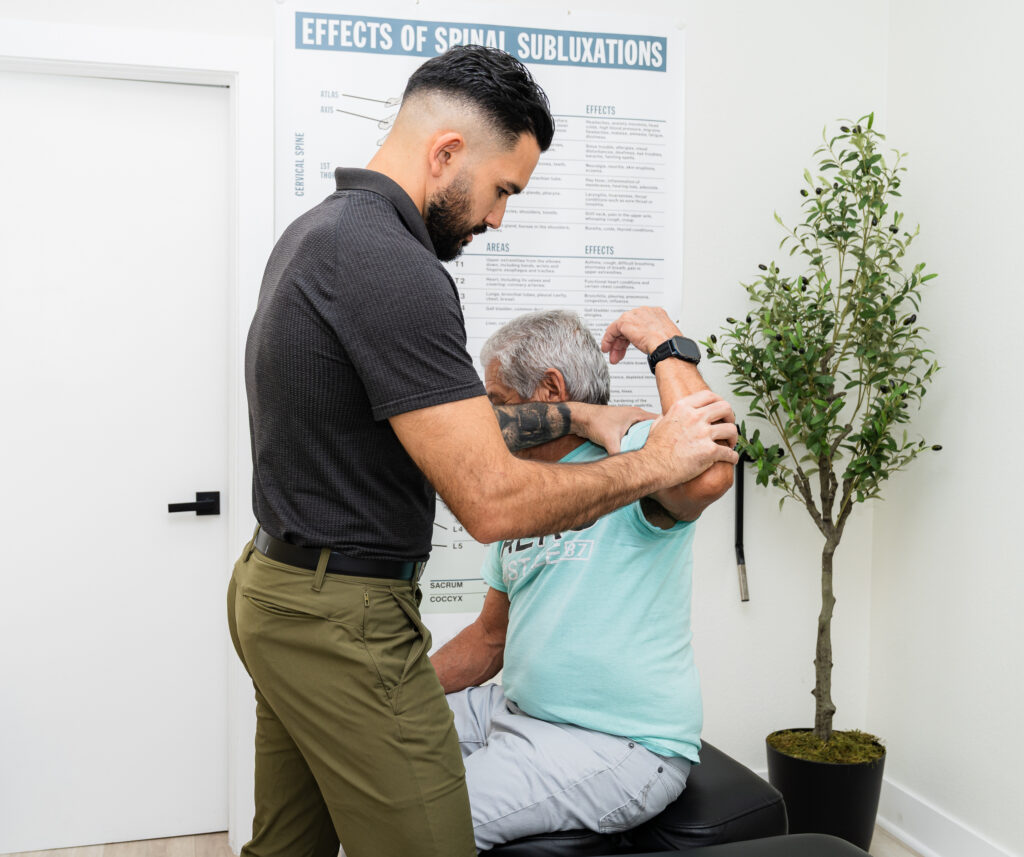

When you suffer from a sports injury, it's common to concentrate on the physical elements of recovery. However, chiropractic care goes beyond just rehabilitation; it fosters a holistic healing process. As a local chiropractor, I believe in addressing not only the physical symptoms but also the emotional and mental aspects of recovery. Through tailored treatment plans, including spinal adjustments and therapeutic exercises, we can work together to facilitate your journey back to optimal performance.
You may be surprised to learn how techniques such as mindfulness and regular progress assessments can significantly enhance your recovery experience. Chiropractic care can restore body function, reduce pain, and improve your overall well-being. So, how can chiropractic therapy transform your recovery and support your health? Let's delve into ten essential approaches that can reshape your perspective on healing and recovery.
Physical Rehabilitation Techniques
How can chiropractic care and rehabilitation techniques accelerate your recovery from a sports injury? These natural healing methods are designed to restore your body's function, enhance mobility, and strengthen the affected area. When you engage in a structured rehabilitation program guided by a chiropractor, you're not just passively waiting for your body to heal; you're actively involved in your recovery journey.
To start, a comprehensive assessment by a chiropractor is essential. They'll evaluate your specific needs and limitations, identifying how best to support your recovery. Based on this evaluation, a personalized rehabilitation plan will be developed that's tailored to your injury and goals.
This plan typically includes exercises that emphasize flexibility, strength, and balance, which are crucial for regaining your range of motion and rebuilding muscle strength. In addition, functional training will be included, mimicking the movements you perform in your sport. This approach is vital for helping your body adapt and prepares you for a safe return to your athletic activities.
Techniques such as manual adjustments and soft tissue therapies can also be utilized to alleviate stiffness and promote circulation in the injured area, thereby expediting the healing process.
Education plays a significant role in your recovery as well. Your chiropractor will inform you about proper body mechanics, effective injury prevention strategies, and techniques to avoid re-injury. By gaining a better understanding of how your body works, you can make empowered choices that facilitate your recovery and enhance your overall well-being.
Embracing chiropractic care can be a transformative step in your healing journey.
Pain Management Strategies
As a local chiropractor, I want to share some effective pain management strategies for sports injuries that extend beyond conventional treatments.
One approach you might find beneficial is incorporating mind-body techniques, such as meditation and yoga. These practices can help you reconnect with your body, promote relaxation, and alleviate discomfort associated with your injuries.
Additionally, we often explore medication alternatives in our practice. These can provide effective relief without the unwanted side effects that stronger painkillers may cause.
By focusing on natural healing methods, we aim to not only manage your pain but also support your overall well-being.
Mind-Body Techniques
As a local chiropractor, I want to share some valuable mind-body techniques that can significantly support your recovery from sports injuries and help manage pain naturally.
One highly effective method is mindfulness meditation. By concentrating on your breath and observing your thoughts without judgment, you can alleviate anxiety and enhance your overall well-being. This practice cultivates a sense of calm, which can make coping with pain much easier.
Another technique I encourage is visualization. Imagine yourself healing and performing at your peak. This mental imagery not only boosts your motivation but can also shift your perception of pain, making it feel more manageable.
Deep breathing exercises are also a key component of recovery. By taking slow, deep breaths, you activate your body's relaxation response, reducing tension and helping you feel more comfortable as you heal.
Incorporating gentle yoga into your routine can be incredibly beneficial as well. It improves flexibility and promotes relaxation, easing both physical and mental stress.
By regularly engaging in these mind-body techniques, you can create a positive feedback loop that diminishes pain and enhances your recovery experience.
Integrating these strategies into your daily life won't only help you manage pain more effectively but also foster a greater sense of control and resilience throughout your healing journey.
As your chiropractor, I'm here to guide you in exploring these natural healing methods to support your recovery process.
Medication Alternatives
As a local chiropractor, I want to share with you some effective alternatives to medication for managing pain from sports injuries. While many people lean towards pharmaceuticals, there are natural and holistic approaches that can provide relief without the unwanted side effects.
One of the primary options I recommend is chiropractic care itself. Chiropractic adjustments can't only relieve pain but also help restore proper alignment in your spine and joints, enhancing your overall mobility and function. Each treatment is personalized to your individual needs, allowing for targeted recovery and support.
In addition to chiropractic adjustments, physical therapy can also play a vital role in your healing process. It focuses on strengthening the injured area and improving flexibility, which can significantly reduce pain and prevent future injuries. Your physical therapist can design a customized exercise program that complements your chiropractic care.
Hot and cold therapy is another simple yet effective strategy. Using ice can help decrease inflammation and numb sharp pain, while applying heat can soothe tight muscles and increase blood circulation to the injured area.
You might also want to explore acupuncture, which has shown promising results in pain relief and healing by stimulating specific points on the body. It's a complementary treatment that works well with chiropractic care.
Furthermore, incorporating mindfulness and meditation techniques can be beneficial in managing pain. These practices encourage relaxation and help reduce stress, which can often exacerbate discomfort.
Finally, consider adding nutritional supplements like omega-3 fatty acids and turmeric into your diet. These natural substances have anti-inflammatory properties that can further support your recovery.
By combining these holistic approaches with chiropractic care, you can create a comprehensive pain management plan that not only aids in your recovery but also keeps you active and healthy.
I'm here to guide you on your journey to wellness, so don't hesitate to reach out for more information!
Emotional Support and Counseling
Injuries can affect not just your physical health, but they can also have a significant impact on your emotional well-being. As a chiropractor, I want to emphasize the importance of emotional support and counseling as part of your recovery journey. When you're unable to participate in your sport or daily activities, it's common to experience feelings of frustration, sadness, or anxiety. These emotions can make it challenging to stay motivated and can affect your overall mental health – that's where emotional support becomes crucial.
Having someone to talk to can truly make a difference in your recovery process. A therapist who specializes in sports psychology can guide you through your feelings and offer effective coping strategies. They provide a safe environment where you can express your concerns, fears, and doubts without any judgment. This kind of support can help you manage the emotional ups and downs that often arise after an injury.
Counseling can also introduce you to techniques for managing stress and anxiety, which are often heightened during recovery. You may learn mindfulness practices or relaxation techniques that enhance your emotional resilience. These tools can be incredibly beneficial, allowing you to focus on your healing journey instead of being overwhelmed by negative thoughts.
Furthermore, connecting with others who've faced similar challenges can create a sense of community and understanding. Remember, you aren't alone in this journey; sharing your experiences can provide comfort and motivation as you work towards recovery.
As your chiropractor, I encourage you to consider the emotional aspects of healing alongside the physical. Together, we can create a holistic approach to your recovery that addresses both your body and mind.
Goal Setting for Recovery
Setting goals for your recovery is an essential part of the healing process, especially when you're exploring chiropractic care and natural healing methods. By establishing clear and achievable goals, you create a roadmap that can guide your rehabilitation journey, helping you to focus on specific milestones instead of feeling overwhelmed by the concept of full recovery.
It's helpful to break down the recovery process into smaller, manageable objectives. For example, short-term goals might include improving your range of motion or reducing discomfort, while long-term goals could aim at returning to your normal activities or sports at full capacity.
I encourage you to make sure your goals are SMART—Specific, Measurable, Achievable, Relevant, and Time-bound. This approach ensures that your goals are realistic and provides you with a timeline to strive for.
As you embark on this journey, it's important to communicate your goals with me during your chiropractic sessions. I can provide valuable insights and help you set realistic expectations based on your individual situation, including the severity of your condition and your healing pace.
Remember to celebrate your achievements, no matter how small. Recognizing these accomplishments not only boosts your morale but also strengthens your commitment to the recovery process.
Together, we can work towards your goals and utilize the benefits of chiropractic care to enhance your healing and overall well-being.
Injury Education and Awareness
As a local chiropractor, I want to help you understand the journey of recovering from a sports injury.
It's crucial to know how these injuries happen and the mechanics at play. By familiarizing yourself with the different stages of recovery, you can take charge of your healing process and establish realistic expectations for your recovery timeline.
This knowledge not only empowers you but also enhances your ability to heal naturally.
Let's delve into how chiropractic care can support you on this path to recovery, helping you restore balance and strength in your body.
Understanding Injury Mechanics
As a local chiropractor, I want to help you understand the mechanics of injuries so you can prevent and manage them effectively. Recognizing how injuries occur is crucial for identifying risk factors in your daily activities and exercise routines.
For instance, if you learn that improper posture or movement can lead to muscle strains, you'll be more motivated to focus on maintaining proper alignment and techniques during physical activities.
It's also important to familiarize yourself with common types of injuries that might affect you, whether it's a sprain, strain, or overuse injury. Understanding the specific mechanics behind each injury can help you tailor your recovery approach and support your healing process.
This knowledge empowers you to communicate better with me, your chiropractor, allowing us to create a more effective treatment plan together.
Listen closely to your body's signals. If you feel any unusual discomfort or pain while engaging in activities, understanding injury mechanics will help you determine when it's time to rest or seek professional help.
By recognizing these warning signs early, you can prevent more serious issues from developing.
Ultimately, understanding injury mechanics promotes a proactive mindset toward your health. By educating yourself about these concepts, you're not just waiting for injuries to occur; you're actively working to prevent them and enhance your overall performance.
This awareness contributes to a more resilient and sustainable approach to your training and wellness journey. Together, we can ensure you stay healthy and active!
Recognizing Recovery Stages
As your local chiropractor, I want to emphasize the importance of understanding your recovery stages when managing an injury. When you sustain an injury, your body navigates through several key phases: the acute phase, the repair phase, and the remodeling phase. Being aware of where you stand in this process is crucial for setting realistic recovery goals and expectations.
In the acute phase, which usually lasts a few days, it's essential to prioritize rest, ice, compression, and elevation (often referred to as RICE). You may experience pain and swelling during this time, but it's vital to allow your body to heal before jumping back into physical activities.
Transitioning into the repair phase, which can last anywhere from a few days to several weeks, marks the beginning of your healing journey. Gentle movement and therapeutic exercises can significantly aid in your recovery during this time. This is where chiropractic adjustments can also play a role in promoting healing and restoring function.
Finally, we reach the remodeling phase, where your body begins to strengthen the injured area. This stage can take weeks to months, depending on the injury's severity. It's important to listen to your body and gradually reintroduce more intense activities.
As your chiropractor, I'm here to guide you through this process, ensuring that you heal effectively and safely. Remember, recovery is a journey, and we're in this together!
Building Mental Resilience
In the journey of recovering from a sports injury, many individuals tend to overlook the critical role of mental resilience in the healing process. As a local chiropractor, I want to emphasize that your mindset can significantly impact your recovery. Building mental resilience can help you navigate setbacks, manage stress, and maintain motivation, leading to a more effective healing experience.
Incorporating therapy into your recovery plan can be particularly beneficial for developing this resilience. Working with a therapist allows you to process your emotions about the injury, such as feelings of frustration and fear. They can equip you with strategies to reframe negative thoughts and foster a more positive outlook. For instance, rather than viewing your injury as a setback, you can learn to see it as an opportunity for growth and self-discovery.
Moreover, engaging in mindfulness techniques, such as meditation or deep-breathing exercises, can enhance your mental resilience. These practices help keep you grounded and focused, reducing anxiety and fostering a sense of control over your recovery. By learning to appreciate small victories along the way, you can maintain your motivation throughout the healing process.
Additionally, surrounding yourself with a supportive network of friends, family, or fellow athletes can strengthen your mental fortitude. Sharing your experiences can lessen feelings of isolation and remind you that you aren't alone in this journey.
Ultimately, building mental resilience isn't just about overcoming obstacles; it's about embracing the entire journey of recovery. By prioritizing your mental health alongside physical healing, you won't only recover more effectively but also emerge stronger and better equipped to face future challenges.
As your chiropractor, I encourage you to consider these aspects in your healing journey for a holistic approach to recovery.
Customized Exercise Plans
Building mental resilience goes hand in hand with physical recovery, and as a local chiropractor, I want to emphasize the importance of taking actionable steps to support your healing process. One of the most effective strategies is through customized exercise plans specifically designed for you and your unique injury. A one-size-fits-all approach simply doesn't cut it in rehabilitation, as each injury has its own characteristics and requires a tailored strategy for recovery.
When you come to my office, I'll conduct a thorough assessment of your injury and your overall physical condition. Based on this evaluation, I'll create a personalized exercise plan that aligns with your specific needs. This plan will focus on your current abilities and progressively build your strength, flexibility, and coordination. Rather than performing generic exercises, you'll engage in targeted movements that promote healing and improve your overall performance.
Customized exercise plans not only facilitate physical recovery but also serve as a source of motivation. Knowing that your program is specifically crafted for you makes it easier to stay committed to your rehabilitation journey. As you observe your progress in real-time, it reinforces your mental resilience and encourages you to overcome challenges. I'll continually adjust your plan as you improve, ensuring you feel empowered and actively involved in your own healing process.
Moreover, these exercise plans often include preventative measures to help you not only recover but also minimize the risk of future injuries. You'll learn safe and effective movement techniques, setting the foundation for long-term success in your physical activities.
Progress Tracking and Feedback
As you embark on your journey toward recovery, understanding the importance of tracking your progress and receiving timely feedback can significantly enhance your experience with chiropractic care.
When you see your improvements, it not only elevates your motivation but also allows both you and your chiropractor to make informed decisions about your treatment plan.
Here's how progress tracking can revolutionize your healing process:
- Establish Clear Objectives: We encourage you to define specific, measurable, achievable, relevant, and time-bound (SMART) goals to steer your recovery in the right direction.
- Observe Physical Enhancements: Keeping a record of your range of motion, strength, and overall endurance enables you to witness tangible improvements as your treatment progresses.
- Modify Your Treatment Plan: Regular feedback from your chiropractor allows for adjustments to your care regimen, ensuring you stay on the most effective path toward healing.
- Foster Accountability: Knowing that your progress is being monitored can help you remain dedicated and focused on your rehabilitation journey.
- Acknowledge Achievements: Celebrating small milestones not only boosts your motivation but also serves as a powerful reminder of how far you have come in your recovery.
Stress Relief Through Therapy
As a local chiropractor, I want to emphasize the importance of addressing not just the physical aspects of recovery from a sports injury, but also the mental and emotional components that are crucial for your overall healing. Stress can significantly hinder your recovery, making it essential to find effective ways to manage it. Therapeutic approaches, including chiropractic care, can be an excellent resource for helping you navigate the emotional challenges that often arise during your healing journey.
When you visit a chiropractor, you're provided with a supportive environment where you can discuss your feelings, fears, and frustrations related to your injury. This open communication can help you process the emotional impact of what you're going through, reducing anxiety and fostering mental clarity. Through chiropractic care, you'll not only receive physical adjustments but also learn coping strategies that are tailored to your individual needs, empowering you to manage stress more effectively.
Chiropractors often incorporate techniques such as relaxation exercises and wellness counseling into their practice. These methods can help you stay grounded, allowing you to focus on the present rather than worrying about the future or fixating on past performance. By developing these skills, you can build resilience, making it easier to handle setbacks during your recovery.
Additionally, prioritizing your mental health through chiropractic care can enhance your motivation to adhere to your rehabilitation program. When you feel mentally balanced, you're more likely to approach your physical therapy sessions with a positive mindset. The connection between mental and physical health is incredibly powerful; as you work to alleviate stress through chiropractic adjustments and supportive care, you might find that your body responds more favorably to the recovery process.
Enhancing Performance Post-Recovery
After addressing the physical aspects of your recovery, it's crucial to shift our focus towards enhancing your overall performance as you get back into your sport. As a chiropractor, I believe that our approach goes beyond just physical adjustments; it encompasses a holistic view of your well-being, which includes mental and emotional readiness.
Here are some key ways chiropractic care can support you in enhancing your performance post-recovery:
- Holistic Goal Setting: I can assist you in establishing realistic, attainable goals that not only keep you motivated but also align with your overall health and performance aspirations.
- Building Confidence: Through chiropractic adjustments and supportive care, we can work together to alleviate any lingering fears or concerns about your injury, ultimately enhancing your confidence to perform at your peak.
- Technique Enhancement: Chiropractic care can aid in refining your physical techniques and movements, ensuring that as you return to your sport, you're not just regaining your previous abilities but also improving upon them.
- Mental Resilience: We can incorporate techniques that help you develop mental strategies for managing pressure, allowing you to maintain composure during competitions.
- Ongoing Recovery Monitoring: Regular chiropractic sessions can help us keep track of both your physical and mental progress, enabling us to make necessary adjustments to your training regimen.
By integrating these elements into your recovery routine, you'll discover that chiropractic care not only facilitates your healing but also propels you toward achieving peak performance.
Conclusion
As a local chiropractor, I want to emphasize the significant benefits of incorporating chiropractic care into your sports injury recovery. Many people are unaware of how natural healing techniques, including spinal adjustments, can play a pivotal role in your recovery journey. By addressing the underlying issues related to your injury, we can enhance your physical rehabilitation, manage pain more effectively, and provide emotional support throughout the process.
With tailored goal setting, individualized treatment plans, and consistent progress evaluations, I can help you stay motivated and focused on your recovery. Remember, chiropractic care is not just about healing your body; it's also about fostering mental resilience and optimizing your overall performance for the future. Embrace this holistic approach, and together, we can ensure that you come back stronger than ever!