
7 Reliable Tips for Sports-Related Back Pain Relief

If you're experiencing sports-related back pain, you're not alone, and it's crucial to find effective relief to keep you active and engaged in the activities you love. As a local chiropractor, I want to share with you that even small adjustments in your daily routine can lead to significant improvements in how you feel. Understanding the underlying causes of your pain is the first step, and from there, we can explore various strategies tailored to your needs. Incorporating specific exercises, improving your posture, and considering chiropractic adjustments can all play a role in your recovery. Are you ready to learn about reliable, natural methods that can help you get back on track and enjoy your favorite sports with reduced discomfort? Let's work together to enhance your well-being!

Understand Your Pain

Understanding your pain is crucial for achieving effective relief, and as your local chiropractor, I want to guide you through this process. When you experience back pain, it's important to identify not just the source, but also the type of discomfort you're feeling. Is it sharp, dull, or throbbing? Being able to describe how your pain feels will enhance communication with healthcare professionals and assist in pinpointing the right treatment tailored for you.

Next, let's consider when your pain occurs. Is it triggered by specific activities, like running or lifting? Observing these patterns can uncover whether your pain is related to a certain movement or if it may be linked to an underlying issue. Pay attention to the duration of your pain and whether it radiates to other areas, such as your legs or arms, as this information is vital in our assessments.

It's also essential to evaluate your daily habits. Reflect on your exercise routines, stretching practices, and any past injuries. If you've experienced an injury that hasn't been properly addressed, it could lead to chronic pain down the line. Gaining insight into these factors helps create a clearer picture of your situation.

Additionally, don't overlook your emotional well-being. Stress and anxiety can significantly intensify physical pain, so it's important to assess your mental health as part of addressing your back pain.

Finally, I encourage you to consult with a professional when needed. As a chiropractor, I can provide a comprehensive assessment of your condition and help you understand your pain on a deeper level. With this knowledge, we can work together to take the first steps toward effective relief, setting the foundation for a healthier, pain-free lifestyle.

Maintain Proper Posture

As a local chiropractor, I want to emphasize how crucial it's to maintain proper posture, particularly to prevent back pain during sports and everyday activities. Many people may not realize that small changes can make a big difference.

Start by creating an ergonomic workspace that supports your body's natural alignment. This means adjusting your chair, desk, and computer screen to ensure you sit comfortably and avoid straining your back.

Additionally, practicing active sitting techniques—like keeping your feet flat on the floor and your back straight—can greatly benefit your posture.

Incorporating stretching and strengthening exercises into your daily routine is also vital. These exercises not only support your back but can enhance your overall physical performance.

By integrating these practices into your life, you'll be taking proactive steps toward maintaining a healthy spine and reducing the risk of injury.

Ergonomic Workspace Setup

As a chiropractor, I want to emphasize the importance of creating an ergonomic workspace to prevent back pain and enhance your overall comfort throughout the day. Many people are unaware that their office setup can significantly impact their spinal health.

Start by adjusting your chair so that your feet can rest flat on the floor and your knees are at or slightly below hip level. This alignment helps reduce strain on your lower back, which is crucial for maintaining a healthy spine. Additionally, your chair should offer proper lumbar support to maintain the natural curve of your spine.

Next, let's talk about your desk and monitor placement. It's vital to position your monitor at eye level and about an arm's length away. This ensures that your neck remains relaxed while you work, avoiding the common tendency to strain upward or downward.

Your keyboard and mouse should be within easy reach to prevent excessive stretching, allowing your elbows to rest at approximately a 90-degree angle.

Don't overlook the significance of proper lighting in your workspace. Good lighting reduces eye strain, making it easier for you to focus without leaning forward uncomfortably.

Finally, I encourage you to incorporate regular breaks into your routine. Standing up, stretching, or taking a brief walk every hour can help relieve tension and keep your muscles engaged.

Active Sitting Techniques

As a local chiropractor, I want to share some valuable insights on how active sitting techniques can significantly enhance your well-being during your workday.

Maintaining proper posture while seated is crucial for your comfort and can help prevent back pain, a common issue I see in many patients. Here are three effective strategies to consider:

  1. Engage Your Core: One of the simplest ways to support your spine is by keeping your abdominal muscles slightly contracted while sitting. This technique not only promotes a more upright posture but also provides essential support to your spine, reducing the likelihood of discomfort.
  2. Adjust Your Chair: It's important to choose a chair that properly supports your lower back. Your feet should be planted flat on the floor, and your knees should be at or just below hip level. This alignment relieves pressure on your back and encourages healthier sitting habits.
  3. Take Breaks: Remember, sitting for long periods can have negative effects on your body. I recommend incorporating short breaks into your work routine. Stand up, stretch, or take a brief walk every 30 to 60 minutes. This movement not only counteracts the adverse effects of prolonged sitting but also keeps your body active and engaged.

By implementing these active sitting techniques, you can enhance your comfort and overall health, reducing the risk of back pain and promoting a more vibrant lifestyle.

If you have any questions or need further guidance, feel free to reach out during your next visit!

Stretching and Strengthening Exercises

As a local chiropractor, I want to emphasize the importance of active sitting techniques as a foundation for healthier posture. However, to truly benefit your spinal health, it's essential to pair those techniques with stretching and strengthening exercises. These exercises play a crucial role in maintaining proper alignment and preventing muscle imbalances that can lead to back pain.

Incorporating dynamic stretches into your daily routine—like cat-cow stretches and spinal twists—can significantly improve your flexibility and relieve tension in your muscles. These movements not only increase blood flow but also warm up your muscles for activity, setting the stage for a more comfortable experience throughout your day.

A strong core is fundamental to supporting your spine, so I encourage you to focus on strengthening exercises as well. Activities like planks, bridges, and bird-dogs are fantastic for engaging both your abdominal and back muscles, helping to create a sturdy support system for your spine.

Don't overlook the importance of your hips and legs in this equation! Tight hip flexors and hamstrings can adversely affect your posture and alignment. Incorporating stretches such as lunges and hamstring stretches will help keep these critical muscle groups flexible and functioning properly.

Lastly, I can't stress enough the importance of maintaining good posture during all activities. Whether you're sitting at your desk, standing in line, or exercising, being mindful of your alignment is key.

Keep your shoulders back and your spine straight to reinforce the benefits of your stretching and strengthening efforts. By consistently applying these techniques, not only can you alleviate back pain, but you can also enhance your overall performance in any physical activity.

Incorporate Stretching Exercises

As a local chiropractor, I want to emphasize the importance of incorporating stretching exercises into your routine, especially if you're dealing with sports-related back pain.

These movements aren't only beneficial for alleviating discomfort, but they also play a crucial role in enhancing flexibility, reducing muscle tension, and improving your overall posture.

By focusing on stretches that target the back and surrounding muscles, you can promote healing and help prevent further injuries.

Here are three effective stretching exercises that I recommend:

  1. Cat-Cow Stretch: Begin on all fours, positioning your hands directly under your shoulders and your knees under your hips. As you inhale, arch your back and allow your belly to drop toward the floor (this is the cow position). On the exhale, round your spine upward, tucking your chin to your chest (the cat position). Repeat this flowing movement for 10-15 repetitions to gently mobilize your spine.
  2. Child's Pose: Kneel on the floor, then sit back on your heels while extending your arms forward along the ground. Allow your forehead to rest on the floor and take deep, calming breaths. This stretch is excellent for elongating the spine and relieving tension in the lower back. Hold this position for 30 seconds to a minute, feeling the relaxation deepen with each breath.
  3. Seated Forward Bend: Sit on the floor with your legs extended in front of you. Inhale deeply and lengthen your spine; as you exhale, gently reach forward toward your toes. Don't stress if you can't touch them; just go as far as you can while maintaining comfort. This stretch effectively targets the hamstrings and lower back. Hold this position for 20-30 seconds.

Incorporating these stretches into your daily routine can significantly enhance your recovery and overall well-being.

As always, I encourage you to listen to your body and only stretch to the point of mild discomfort.

If you're unsure about any movements or need personalized guidance, don't hesitate to reach out for a consultation.

Your journey to better health is important, and I'm here to support you every step of the way!

Strengthen Core Muscles

As a local chiropractor, I want to emphasize the importance of strengthening your core muscles, especially if you're active in sports.

A robust core is crucial for maintaining stability and support for your spine, which can significantly reduce your risk of injury and help alleviate back pain during physical activities.

Let's look at some effective exercises to help build that essential core strength, which won't only enhance your performance but also promote overall spinal health.

Importance of Core Strength

As a local chiropractor, I want to emphasize the crucial role that core strength plays not only in enhancing athletic performance but also in preventing injuries, particularly those related to back pain.

A well-developed core is fundamental for stabilizing your body, supporting your spine, and evenly distributing the physical stress that comes with various activities. When your core muscles are strong, you're less susceptible to strains and injuries that can disrupt your daily life.

Here are some key reasons why focusing on core strength is essential for your health:

  1. Improved Stability: A strong core acts as a foundation for your movements, significantly enhancing your balance and coordination in everyday activities as well as sports. This added stability is vital in reducing the likelihood of falls and related injuries.
  2. Enhanced Performance: By developing a robust core, you can increase the power and efficiency of your movements. This improvement means you may find yourself running faster, jumping higher, and performing better in various physical activities, giving you a competitive advantage.
  3. Reduced Back Pain: Strengthening your core is one of the best ways to support your spine and alleviate pressure on your lower back. This can lead to considerable relief from pain and help prevent chronic back issues from arising in the future.

As your chiropractor, I encourage you to prioritize core strength as a natural and effective way to enhance your overall health and well-being.

Let's work together to incorporate core-strengthening exercises into your routine to help you achieve a pain-free, active lifestyle.

Effective Core Exercises

As a local chiropractor dedicated to your health and well-being, I want to emphasize the importance of core strength in enhancing your stability and alleviating back pain.

Let's explore some effective exercises that can help you achieve these benefits.

Firstly, I recommend starting with planks. This foundational exercise engages multiple muscle groups, which is essential for overall core stability. Begin by holding a plank position for 30 seconds, and as your strength improves, gradually increase the duration.

Next, consider incorporating side planks into your routine. This variation specifically targets your obliques, which play a crucial role in stabilizing your spine. Aim to hold each side plank for 20-30 seconds.

Another excellent exercise is the bridge. While lying on your back with your knees bent, lift your hips towards the ceiling, squeezing your glutes at the top of the movement. This exercise not only strengthens your lower back but also fortifies your glutes, which are vital for overall support. I recommend performing 10-15 repetitions.

Don't forget about bird-dogs! This exercise involves getting on all fours and extending one arm and the opposite leg simultaneously. This movement improves coordination and core stability. Aim for 10-12 repetitions on each side.

Lastly, let's talk about dead bugs. Lie on your back and alternate extending your opposite arms and legs while ensuring your lower back remains pressed into the floor. This exercise is fantastic for improving core control. Aim for 10-15 repetitions.

Incorporating these exercises into your routine can significantly enhance your core strength and overall stability, contributing to better spinal health.

If you have any questions or would like to learn more about how chiropractic care can support your journey to wellness, feel free to reach out!

Use Heat and Cold Therapy

As a local chiropractor, I want to share some valuable insights on how you can effectively manage sports-related back pain using heat and cold therapy.

These methods aren't only natural but can also significantly enhance your recovery process. Let's explore how you can incorporate these therapies into your daily routine for optimal results.

1. Cold Therapy: If you've recently experienced a sports injury, I recommend starting with cold therapy within the first 48 hours.

Applying an ice pack to the affected area can help reduce inflammation and numb any sharp pain you might be feeling. It's best to wrap ice in a cloth or use a commercial ice pack, applying it for about 15 to 20 minutes.

Just remember to take breaks to protect your skin from frostbite—your comfort and safety are paramount.

2. Heat Therapy: Once the initial swelling has subsided, heat therapy can be incredibly beneficial.

It works wonders for relaxing and soothing tight muscles. You can use a heating pad or a warm towel for this purpose. Similar to cold therapy, aim for 15 to 20 minutes of application.

Heat is particularly useful for chronic pain or muscle stiffness, as it enhances blood flow and promotes healing in the affected areas.

3. Alternating Methods: For some of my patients, I find that alternating between heat and cold therapy often yields the best results.

Start your treatment with cold therapy to effectively reduce swelling, and then follow up with heat to relieve any muscle tension. This combination can be a powerful strategy in managing your pain and aiding your recovery.

By understanding and utilizing these natural therapies, you can take an active role in your healing process.

If you have any questions or need personalized advice, feel free to reach out during your next visit!

Consider Professional Help

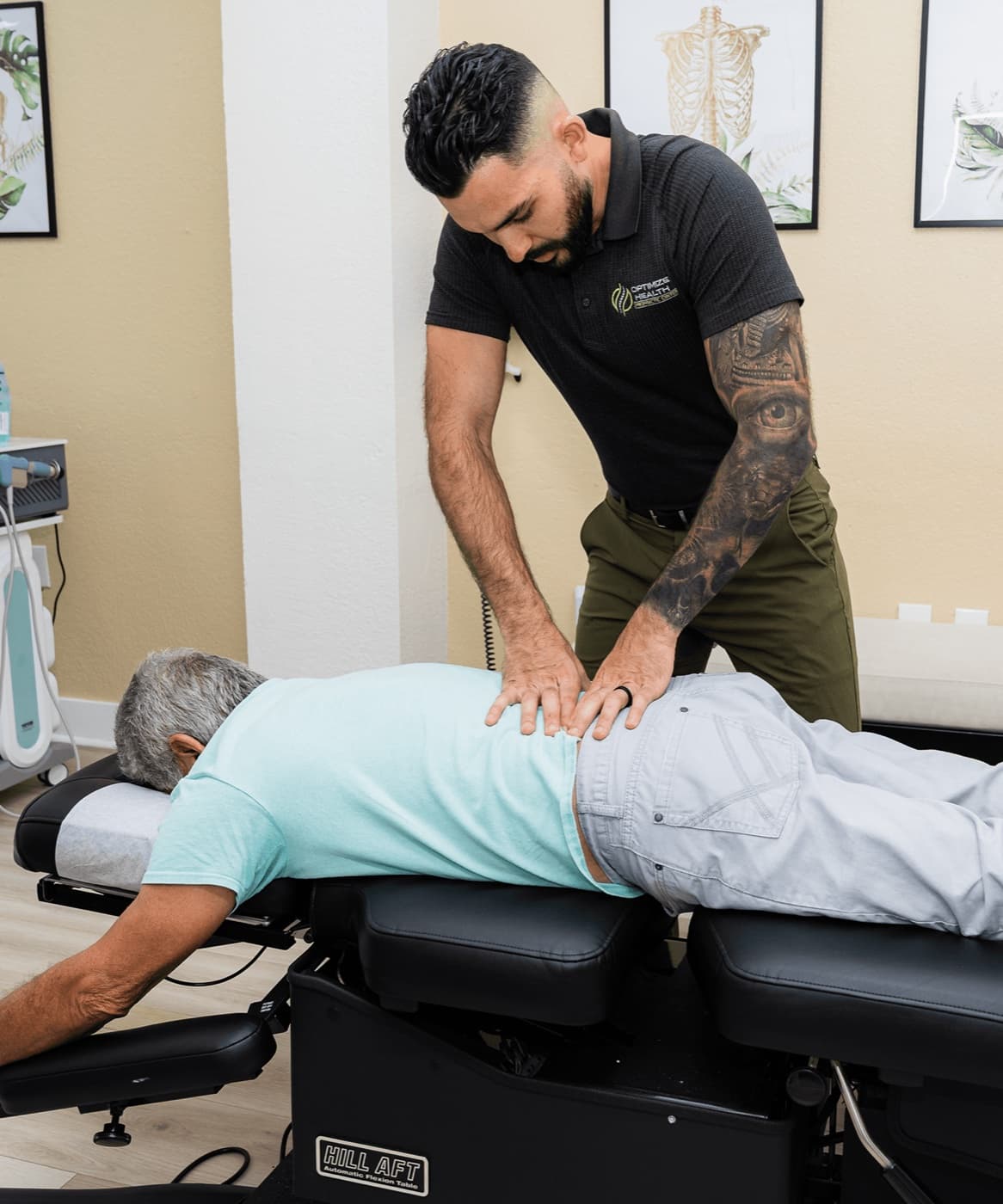
Seeking professional help from a chiropractor can be a transformative step in managing sports-related back pain. If you're experiencing ongoing discomfort, it's crucial to consult with a healthcare provider who specializes in sports injuries—like myself. I can conduct a thorough assessment of your condition and create a personalized treatment plan that caters to your unique needs.

As a chiropractor, I've the expertise to identify the underlying causes of your back pain. I utilize manual therapies, tailored exercise regimens, and advanced treatment modalities such as ultrasound and electrical stimulation to promote healing.

Additionally, I'll teach you proper body mechanics and movement techniques, which are essential in preventing future injuries and enhancing your overall performance.

Don't underestimate the importance of a comprehensive evaluation. I can guide you through diagnostic imaging when necessary, ensuring that we rule out any serious issues, like herniated discs or fractures. This is a crucial step for developing an effective recovery strategy tailored just for you.

Moreover, partnering with a chiropractor provides you with accountability. Having me by your side to monitor your progress and motivate you can significantly enhance your adherence to the rehabilitation plan.

Together, we can set realistic goals and adjust your program as needed to ensure you're on the right path to recovery. Remember, your well-being is my priority, and I'm here to help you get back to the activities you love.

Invest in Quality Equipment

As a local chiropractor dedicated to helping you understand how to prevent sports-related back pain, I want to emphasize the importance of investing in quality equipment.

Whether you're an athlete or just enjoy recreational sports, the right gear can make a profound impact on your overall well-being during and after physical activity. Using poorly designed or worn-out equipment can lead to improper posture and movement, ultimately resulting in discomfort and back pain.

Here are three essential items I recommend you consider investing in:

1. Footwear: The foundation of your body starts with your feet, so wearing proper shoes is crucial. Quality footwear provides the support and cushioning necessary to reduce impact on your spine while you engage in various activities, whether it's running, playing basketball, or participating in any sport.

Good shoes help maintain proper alignment, which is vital for your overall spinal health.

2. Ergonomic Gear: If you're involved in activities that require heavy lifting or intense movement, ergonomic gear such as padded lifting belts or supportive braces can be incredibly beneficial.

These tools help stabilize your back, distributing weight evenly and minimizing strain on your muscles and spine. This is particularly important in weightlifting and sports that involve significant physical demands.

3. Sports-Specific Equipment: Tailoring your gear to your specific sport can enhance your performance while protecting your back.

For instance, using a well-fitted bike can significantly reduce strain during cycling, while investing in a quality yoga mat offers better support during stretches, helping you maintain proper posture.

By prioritizing these key items, you can take proactive steps toward preventing back pain and enhancing your overall performance in sports.

If you have any questions about how to choose the right equipment or about chiropractic care in general, feel free to reach out. Your spine will thank you!

Conclusion

As a local chiropractor, I want to share some valuable insights on how you can manage and alleviate sports-related back pain. It's essential to first understand the nature of your pain, as this awareness can guide you toward effective relief strategies. Maintaining proper posture is crucial—not just when you're playing sports, but in your everyday activities as well.

Incorporating stretching exercises into your routine can significantly improve your flexibility and reduce muscle tension. I also recommend focusing on strengthening your core, as a strong core provides the necessary support for your spine and can help prevent pain.

Utilizing heat and cold therapy can offer immediate relief; heat can relax tight muscles, while cold can reduce inflammation. If you're finding it challenging to manage your pain on your own, don't hesitate to seek professional help. Chiropractic care can be an excellent resource, as we specialize in diagnosing and treating musculoskeletal issues.

Additionally, investing in quality sports equipment tailored to your needs can make a world of difference in your performance and comfort. Remember, by taking these proactive steps now, you can not only relieve your current pain but also prevent future injuries, allowing you to stay active and enjoy the sports you love.

Book Your Appointment

Get started on your path to optimal health today!

More Valuable Reading