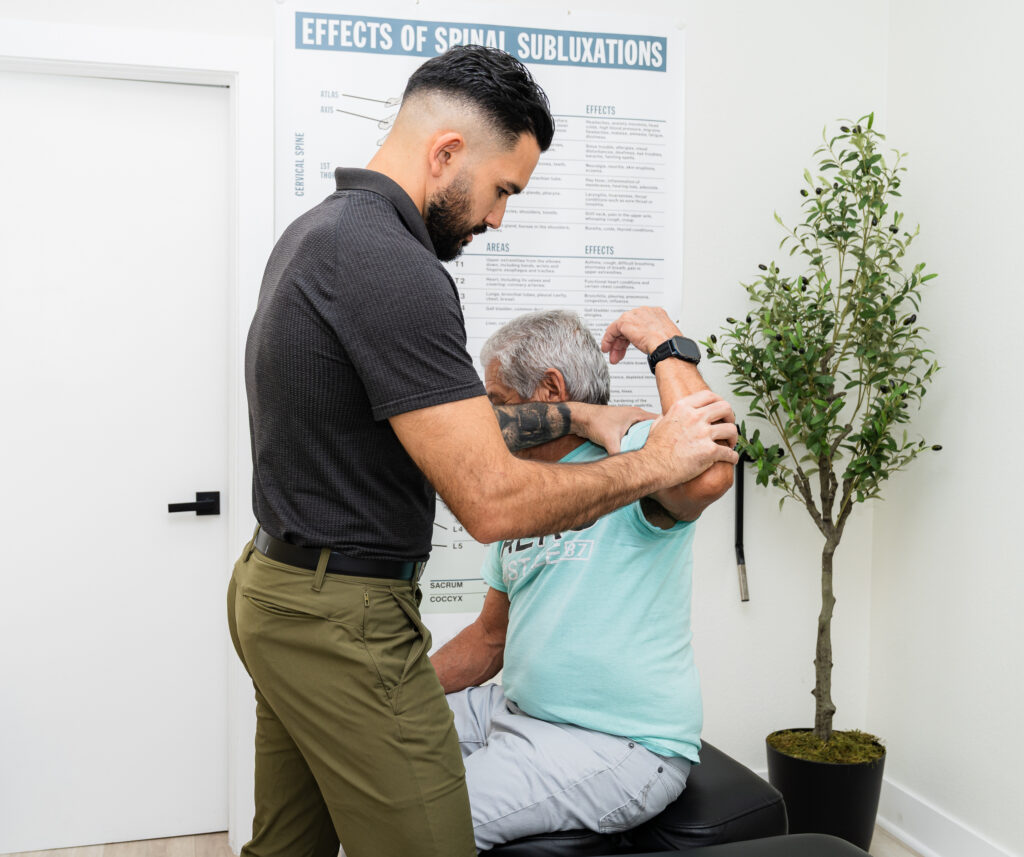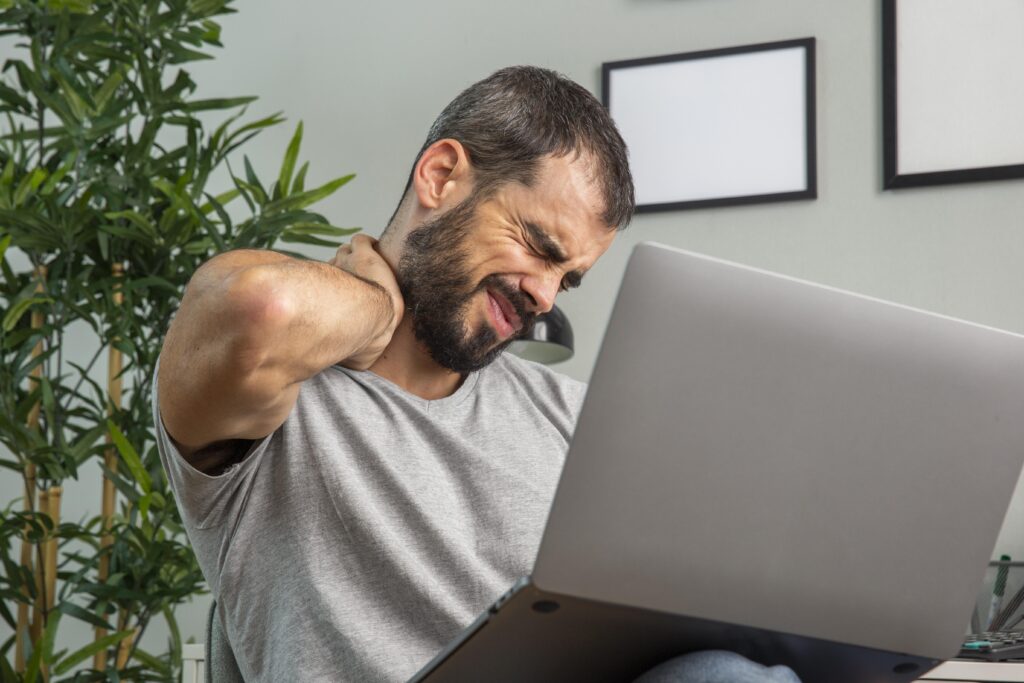

As a local chiropractor, I want to help you understand how to effectively relieve sports-related back pain so you can enhance your performance and comfort. Many patients I see benefit from a combination of proper warm-ups, targeted stretching, and core strengthening exercises. These practices can significantly alleviate your pain and improve your overall function.
In addition to these exercises, I encourage you to explore alternative therapies that can support your recovery process. Chiropractic care, for instance, focuses on aligning your spine and improving your body's natural ability to heal itself. This can be especially beneficial for athletes who put stress on their backs during sports activities.
So, what specific techniques and practices should you prioritize? Let's delve into some strategies that you can incorporate into your routine to manage your pain effectively and get you back to doing what you love. Together, we can develop a personalized plan that empowers you to take control of your health and wellness.
Understanding Back Pain Causes
As a local chiropractor, I want to help you understand the common causes of back pain, especially for those of you who are active in sports. Back pain can often catch you off guard, but knowing what leads to it is crucial for effective management and prevention.
One prevalent cause of back pain is muscle strain, which frequently occurs when athletes push themselves too hard during practice or games. Engaging in high-impact activities without proper conditioning can overwork your back muscles, resulting in discomfort.
Additionally, poor posture during physical activities can put excessive stress on your spine, leading to pain that may persist even after the game has ended.
Injuries like herniated discs or sprains can also contribute to significant back pain. These injuries can occur suddenly during a game or develop over time due to repetitive movements. If you've ever twisted in an awkward manner while making a play, you may have experienced this type of pain firsthand.
Another important aspect to consider is core strength. Your core muscles play a vital role in supporting your spine, and if they're weak, your back muscles must compensate, which can lead to strain and discomfort.
A lack of flexibility can further increase your risk of injury, as tight muscles are less capable of absorbing the impact associated with sports activities.
Understanding these factors is essential for protecting your spine and maintaining your active lifestyle. By being mindful of your body and its limits, you can take proactive steps to alleviate back pain and continue enjoying your favorite sports.
If you're experiencing discomfort, I encourage you to explore natural healing methods, including chiropractic care, which can help restore balance and support your body's recovery.
Importance of Proper Warm-Up
As a local chiropractor, I want to emphasize the crucial role that warming up plays in preventing back pain and injuries. Think of warming up as a way to prepare your body for the physical demands of any sport or exercise. A proper warm-up can significantly enhance blood flow to your muscles, increase flexibility, and boost your overall performance, all while minimizing your risk of injury.
When you take the time to warm up, you activate your muscles and joints, making them more flexible and ready for action. This is especially important for your back, which bears the weight of your entire body during physical activities. Neglecting this step can lead to stiffness and discomfort, which makes you more prone to strains and sprains.
Incorporating dynamic stretches and mobility exercises into your warm-up routine can be incredibly beneficial for your back. Focus on movements that engage your core, hips, and spine. For instance, gentle torso twists and hip circles can help loosen up these key areas.
I recommend dedicating at least 10 to 15 minutes to warming up to ensure your body is fully prepared for what lies ahead. Remember, taking this small step can have a significant impact on your overall health and well-being.
Physical Therapy Techniques
As a local chiropractor, I want to emphasize the importance of chiropractic techniques in alleviating sports-related back pain and supporting your overall recovery. If you're experiencing discomfort, seeking the expertise of a chiropractor can be a pivotal step in regaining your mobility and strength.
We'll assess your condition, identify the root cause of your pain, and create a personalized treatment plan tailored specifically to your needs.
One of the key techniques you may experience in our office is spinal manipulation, which involves gentle adjustments to your spine and surrounding areas. This method can enhance circulation, relieve muscle tension, and improve flexibility.
Additionally, we may incorporate various therapeutic modalities such as ultrasound or electrical stimulation to help manage pain and promote healing of tissues.
Strengthening exercises are vital in your recovery journey as well. I'll guide you through specific exercises that target your core, back, and legs. By strengthening these muscle groups, you not only support your spine but also lower the risk of future injuries.
Balance and stability exercises are also crucial, as they enhance coordination and help prevent falls.
Furthermore, I'll educate you on proper body mechanics and posture. Understanding how to maintain good posture and perform daily activities safely is crucial for avoiding strain on your back, whether it's lifting, bending, or twisting.
Ultimately, engaging in chiropractic care can be transformative in managing sports-related back pain. By actively participating in your healing journey, you won't only relieve your current discomfort but also establish a stronger foundation for your athletic endeavors.
Embrace natural healing and let's work together towards your optimal health!
Targeted Stretching Exercises
As a local chiropractor, I often emphasize the importance of incorporating targeted stretching exercises into your daily routine, especially if you're experiencing sports-related back pain. These specific stretches focus on the muscles surrounding your spine, which can help alleviate tension and improve flexibility—two crucial factors in managing discomfort.
Let's start with a simple yet effective stretch known as the cat-cow stretch. Position yourself on all fours, and then alternate between arching your back upwards and dipping it downwards. This gentle movement not only mobilizes your spine but also stretches your back muscles, promoting better alignment and function.
Next, I recommend trying the child's pose. This stretch involves sitting back on your heels while extending your arms forward, allowing your back to lengthen and relax. Hold this position for several deep breaths, and you'll likely find it soothing and restorative.
Another beneficial stretch is the seated forward bend. While seated with your legs extended in front of you, reach toward your toes. This stretch specifically targets your lower back and hamstrings, promoting overall spinal flexibility—an essential component of a healthy back.
Don't overlook the figure-four stretch, either. Lie on your back and cross one ankle over the opposite knee, then gently pull the uncrossed leg toward you. This stretch is excellent for opening up your hips and alleviating tension in your lower back, which can be especially helpful if you've been active.
Finally, let's talk about the standing side stretch. Stand tall, reach one arm overhead, and lean to the opposite side. This movement stretches your side body and contributes to overall spinal health.
I recommend holding each stretch for 20-30 seconds, ensuring you breathe deeply throughout each movement.
Strengthening Core Muscles
As a local chiropractor, I often see patients struggling with sports-related back pain, and one of the most effective ways to address this issue is by strengthening your core muscles. Your core is vital for providing the necessary support and stability for your spine. A well-developed core helps distribute forces evenly throughout your body, which can significantly reduce the strain on your back during physical activities.
It's important to understand that your core isn't just about your abdominal muscles; it encompasses the muscles in your back, sides, and hips. These muscle groups work in harmony to help maintain proper posture and balance, which is essential for overall body function and injury prevention.
To begin your journey toward a stronger core, I recommend focusing on exercises that engage multiple muscle groups simultaneously. One of the best exercises is the plank. It targets your entire core and can be adjusted to suit your fitness level. Start with a basic plank by holding your body in a straight line from head to heels. Aim to hold this position for 20-30 seconds and gradually increase the duration as you build strength.
In addition to planks, consider incorporating exercises such as bridges and bird-dogs into your routine. These exercises not only strengthen your core but also enhance your stability and coordination. Bridges activate your glutes and lower back, while bird-dogs work on your balance and deeply engage your core. For optimal results, try to perform these exercises three times a week.
Additionally, don't overlook the importance of functional movements in your exercise regimen. Activities like squats and lunges require core stability and can help you develop strength that translates directly to your sports activities.
Alternative Therapies Overview
As a local chiropractor dedicated to helping you manage sports-related back pain, I want to emphasize the importance of not only strengthening your core but also exploring various alternative therapies that can significantly enhance your recovery and overall well-being.
These therapies take a holistic approach, addressing both the pain you experience and the underlying factors contributing to it.
One effective option is acupuncture, an ancient practice that involves the insertion of thin needles into specific points on your body. This technique promotes energy flow and can significantly reduce pain. Many athletes have turned to acupuncture for relief, as it helps decrease inflammation and improve mobility, allowing for a quicker return to activity.
Chiropractic care is another cornerstone of alternative therapy that I highly recommend. Through manual manipulation, chiropractors like myself align your spine and joints, alleviating pressure on nerves and muscles.
By incorporating regular adjustments into your wellness routine, you can maintain better posture and reduce the risk of future injuries, ultimately supporting your athletic performance.
Massage therapy is also a valuable addition to your recovery plan. It effectively targets tight muscles and relieves tension, promoting relaxation and speeding up recovery.
With various techniques available, such as deep tissue or sports massage, we can tailor the approach to meet your specific needs.
Lastly, I encourage you to consider integrating yoga and mindfulness practices into your routine. These methods not only improve flexibility and strength but also foster mental relaxation, which is essential for effective pain management.
By adopting these holistic practices, you can develop a well-rounded approach to healing and enhance your overall quality of life.
I hope this overview helps you understand the potential benefits of chiropractic care and alternative therapies in managing your back pain and supporting your active lifestyle.
Lifestyle Modifications for Prevention
As a local chiropractor, I want to share some valuable insights on how to prevent sports-related back pain. One of the most important steps you can take is to incorporate proper warm-up techniques before engaging in any athletic activity. This not only prepares your body for the physical demands ahead but also significantly reduces the risk of injury.
Additionally, selecting ergonomic sports equipment tailored to your body can make a world of difference. Whether it's the right shoes, a properly fitting bike, or supportive gear, using the right equipment alleviates strain on your back and promotes better posture during your activities.
By prioritizing these lifestyle modifications, you can protect your spine and enhance your overall athletic experience.
Proper Warm-Up Techniques
As a local chiropractor, I want to emphasize the importance of proper warm-up techniques for preventing sports-related back pain. It's crucial to prioritize these practices before engaging in any physical activity. A well-structured warm-up not only prepares your body but also promotes better circulation, flexibility, and reduces the risk of injuries, particularly in the back.
Begin your warm-up with light aerobic exercises, such as jogging or jumping jacks, for about five to ten minutes. This elevates your heart rate and warms up your entire body, setting the stage for more targeted movements.
Following this, I recommend incorporating dynamic stretches that focus on your back, hips, and legs. Exercises like leg swings, torso twists, and arm circles can significantly improve your range of motion and flexibility.
It's also vital to include sport-specific movements in your warm-up routine. For example, if you're gearing up for a basketball game, take some time to practice dribbling and shooting at a lower intensity. This gradual introduction allows your body to adapt to the specific motions you'll be performing during the actual game.
Lastly, always listen to your body. If you notice tightness or discomfort in any area, dedicate extra time to that spot during your warm-up.
By consistently applying these techniques, not only will you enhance your athletic performance, but you'll also greatly reduce the likelihood of experiencing back pain during your sports activities.
Ergonomic Sport Equipment
As a local chiropractor, I want to emphasize the importance of choosing ergonomic sport equipment for your overall health, particularly in preventing back pain and enhancing your athletic performance.
When you invest in gear that aligns with your body's natural structure, you not only reduce strain on your back but also improve your comfort during physical activities.
Start with selecting shoes that offer excellent support and cushioning. Proper footwear absorbs shock and helps maintain the alignment of your spine, which is crucial whether you're running, cycling, or participating in team sports.
If you're a cyclist, ensure that your bike is tailored to your height and riding style to promote an upright and relaxed posture. For those who enjoy weightlifting, opt for equipment that supports a natural movement pattern to minimize the risk of injury.
Don't forget about accessories such as padded gloves or supportive braces, which can help alleviate pressure on your back during your favorite sports.
It's vital to remember that while performance is important, protecting your body should always come first. I encourage you to regularly assess your gear and make adjustments as necessary.
By prioritizing ergonomic sport equipment, you'll not only enhance your enjoyment of physical activities but also keep back pain at bay.
This proactive approach allows you to remain active and engaged in the sports you love, all while supporting your overall well-being.
If you have any questions about how chiropractic care can complement your athletic pursuits, feel free to reach out to me.
Conclusion
As your local chiropractor, I want to empower you to take control of your sports-related back pain through a holistic approach. Understanding the underlying causes of your discomfort is crucial, and I encourage you to prioritize proper warm-ups before engaging in any physical activity. This simple step can significantly reduce your risk of injury.
Incorporating targeted stretching and core-strengthening exercises into your routine is essential. These practices enhance your flexibility and stability, which are vital for optimal performance and injury prevention.
Don't forget that alternative therapies, such as chiropractic care and massage, can play a significant role in your recovery process. These treatments not only alleviate pain but also promote overall well-being by addressing misalignments and muscle tension.
Additionally, consider making lifestyle modifications that support your back health long-term. This proactive approach will help you avoid future issues and keep you enjoying your favorite sports without pain.
Let's work together to enhance your back health naturally, so you can get back to doing what you love—pain-free!