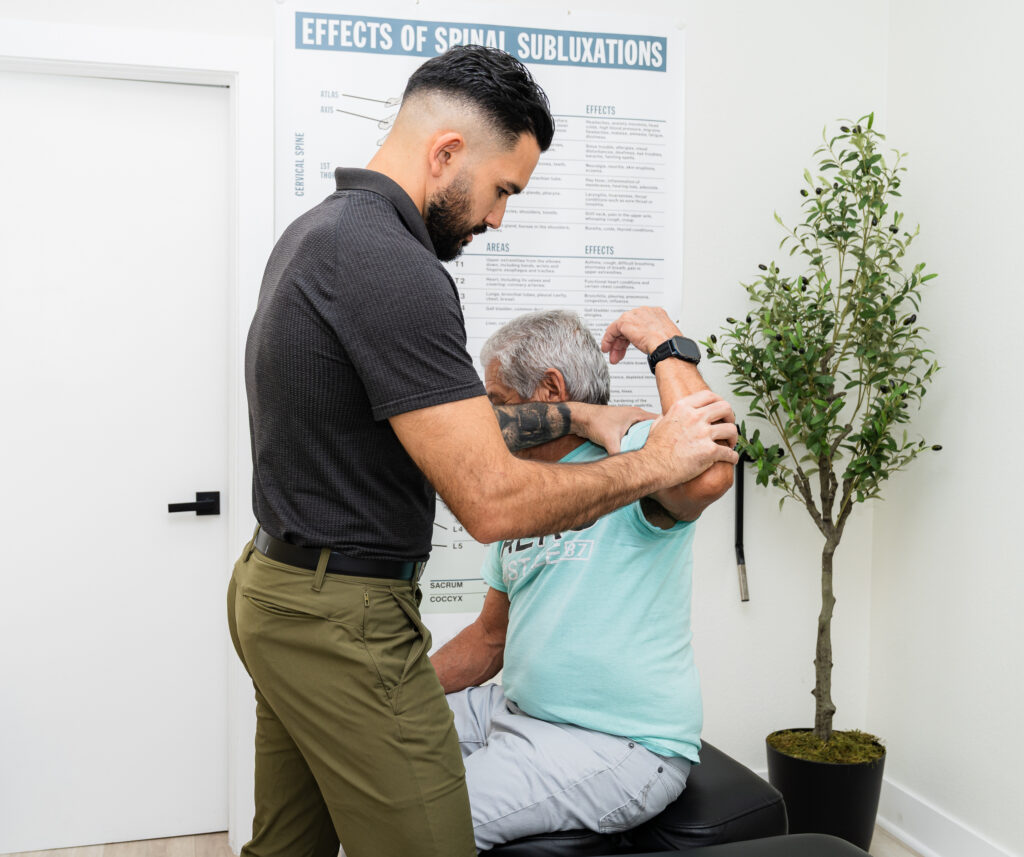

As a local chiropractor, I want to emphasize the importance of gentle and safe techniques when it comes to caring for infants. Their bodies are incredibly delicate and still developing, making them particularly vulnerable to injuries from improper handling or unsafe practices. While some common methods might seem harmless at first glance, they can actually pose significant risks to both their physical safety and emotional well-being.
It's crucial to recognize that the way we interact with and care for infants can have lasting effects on their health and development. Unsafe techniques can disrupt their natural growth and even affect the bonds of trust that are so vital in their early years.
So, how can we ensure the well-being of the infants in our care? By choosing gentle, evidence-based chiropractic approaches that prioritize their safety and comfort. If you're curious about how chiropractic care can support your infant's health naturally, I'm here to guide you through the options that can help foster a healthy start in life.
Understanding Infant Vulnerability
As a local chiropractor, it's essential to recognize the delicate nature of infants and their unique vulnerabilities. Infants are particularly susceptible to various risks due to their developing bodies and systems. Unlike adults, they aren't yet equipped to handle stressors, which can significantly impact their health. One key aspect of this vulnerability is their immature immune systems, which are still building defenses against infections and illnesses.
Furthermore, infants have incredibly sensitive skin, making them prone to irritation and injury if not handled properly. As caregivers, it's crucial to approach them with care and mindfulness to ensure their safety and comfort.
Another important consideration is that infants can't effectively communicate their discomfort or distress. They rely on us to observe subtle changes in their breathing or to interpret their cries. This dependence means that every interaction—whether during feeding, bathing, or other handling—can profoundly influence their well-being.
From a physical standpoint, we must also understand that infants have weak neck muscles and limited motor skills, making them unable to support themselves as older children or adults can. This lack of support increases their risk of falls or mishandling, which can lead to serious injuries.
In addition to physical factors, emotional and psychological elements are integral to their overall health. Infants thrive on routine and consistency; disruptions to their environment can lead to stress and anxiety. As a chiropractor, I emphasize the importance of creating a safe, nurturing environment to foster their growth and development.
Common Unsafe Techniques
As a local Chiropractor, I want to emphasize the importance of safe practices when caring for infants, as their health and well-being are of utmost concern. One common unsafe technique to be aware of is improper swaddling. While swaddling can be comforting for an infant, it's essential to do it correctly. Swaddling too tightly can restrict their movement and potentially impact their hip development. Always ensure that there's enough space for their legs to move freely, promoting healthy growth.
Another unsafe practice to avoid is propping a bottle during feeding. This can pose serious risks, including choking and ear infections. It's best to hold the bottle yourself, ensuring that the infant is both safe and engaged during feeding time.
Additionally, never leave an infant unattended on elevated surfaces like changing tables or beds, even for just a moment. Accidents can happen in the blink of an eye.
When it comes to sleep, it's crucial to adopt safe practices. Placing infants on their stomachs or sides to sleep significantly increases the risk of Sudden Infant Death Syndrome (SIDS). Always place your baby on their back to sleep in a crib that meets safety standards, ensuring it's free from soft bedding or toys that could pose a suffocation hazard.
Lastly, during diaper changes, improper handling can lead to falls. Always keep one hand on the infant to prevent any mishaps, and never leave them unattended on a changing table.
By being mindful of these common unsafe techniques, you can foster a safer environment for the infants in your care. Prioritizing their safety not only protects them but also allows them to thrive and grow without unnecessary risks.
As a Chiropractor, I'm here to support you in understanding how to promote the overall health and safety of your little ones through natural healing and wellness practices.
Risks of Unsafe Practices
As a local chiropractor dedicated to promoting health and wellness, I want to emphasize the importance of safe practices when it comes to caring for infants. Unsafe practices can pose serious risks, not only to an infant's immediate safety but also to their long-term health.
When infants are exposed to improper handling or techniques, they're at risk of physical injuries such as fractures or bruises, which can hinder their motor skills and coordination as they grow.
It's crucial to understand that using unsafe products or methods can lead to dangerous situations, such as asphyxiation or choking hazards. Infants are particularly vulnerable because they're unable to express discomfort or distress effectively. A product may seem harmless, but if it hasn't been rigorously tested for safety, it could put your child's life at risk.
Furthermore, the way we care for our infants can impact the bond we share with them. If a child experiences pain or discomfort from unsafe practices, it can create trust issues that may affect their emotional development. Building a strong, trusting relationship with your child is essential for their overall well-being.
Another significant concern is the risk of infections. Using unsterilized tools or techniques during care can expose infants to harmful bacteria, leading to serious health complications. In severe cases, this could result in hospitalization or long-term health challenges.
As a chiropractor, my goal is to help you prioritize your infant's safety and health. By choosing safe, natural, and effective practices, you aren't only safeguarding their immediate well-being but also laying the groundwork for a healthy future.
Your commitment to safe care today can make a profound difference in their lives tomorrow. Let's work together to ensure your little one thrives in a safe and nurturing environment.
Evidence-Based Care Standards
As a local chiropractor dedicated to providing the best care for your infant, it's essential to follow evidence-based care standards that underpin our practice. These standards are founded on scientific research, clinical expertise, and the values of our patients, ensuring that the care we provide is both safe and effective.
By utilizing evidence-based techniques, we aim to minimize any risks associated with less safe approaches and enhance your infant's overall health and well-being.
Staying informed about the latest guidelines from reputable organizations, such as the American Chiropractic Association (ACA) and the American Academy of Pediatrics (AAP), is crucial. These guidelines are developed through comprehensive studies and expert consensus, reflecting the most current understanding in pediatric care.
By incorporating these recommendations, we can make informed decisions that positively influence your infant's health journey.
It's also important to recognize that evidence-based care in chiropractic isn't static; it evolves as new research emerges. This means we must continuously seek updated information and adapt our practices accordingly.
Engaging with healthcare professionals, including chiropractors, and participating in discussions about the latest findings can help you stay informed and empowered about your child's health.
Together, we can ensure a holistic approach to your infant's well-being.
The Role of Education
As a local chiropractor, I want to emphasize the essential role education plays in ensuring safe chiropractic practices, especially for infants. It's crucial for parents to be informed about the appropriate techniques and standards in chiropractic care. This knowledge empowers you to make decisions that prioritize your child's well-being.
Understanding the intricacies of infant chiropractic care enables you to identify qualified practitioners and steer clear of those who may not adhere to safe practices. By exploring educational resources, you'll gain valuable insights into the anatomy and developmental stages of infants. This information is vital because it directly informs how a chiropractor should approach treatment.
Knowing what's considered safe and what isn't helps establish a foundation of trust between you and your healthcare provider. I encourage you to seek out educational opportunities such as workshops, seminars, or webinars specifically designed for parents. These sessions can help dispel misconceptions and provide practical guidance on what to look for in a chiropractor.
It's not only about understanding the techniques; it's also about grasping the philosophy behind safe chiropractic care, which will enable you to advocate effectively for your child's health. Continuing education is equally important for us as chiropractors. By staying informed about the latest research and methodologies, we can offer the best possible care to our young patients.
I'm committed to pursuing ongoing education, and I encourage you to engage in conversations about safe practices for infants, ensuring that we work together to provide the highest standard of chiropractic care.
Recognizing Misinformation
As a local chiropractor committed to educating our community about chiropractic care, especially for infants, I want to address some common misconceptions that can lead to misinformation.
With so much information circulating online and in conversations, it's crucial to differentiate between what's factual and what's misleading. Understanding this distinction is vital for ensuring your child's safety and well-being.
Here are four important signs of misinformation to be aware of:
- Lack of Scientific Evidence: When evaluating claims about chiropractic care, it's essential to consider whether they're backed by rigorous research or credible studies. Effective chiropractic practices should always be supported by evidence from reputable sources, which is something we prioritize in our clinic.
- Anecdotal Claims: While personal stories can be impactful, they don't provide the same level of assurance as scientific evidence. A positive experience shared by one person doesn't guarantee that the same outcome will occur for every infant. It's important to rely on proven methods rather than solely on individual testimonials.
- Fear-Mongering Language: Be cautious of sources that use alarming or dramatic language to promote certain techniques. Reliable information should be communicated calmly and logically, emphasizing facts rather than invoking fear. At our practice, we focus on educating parents in a supportive and informative manner.
- Dismissal of Professional Opinions: Misinformation often disregards the valuable insights of qualified healthcare professionals. If anyone suggests that you should ignore conventional medical advice, consider that a red flag. We encourage open communication with all healthcare providers to ensure the best care for your child.
Safe Alternatives to Unsafe Methods
As a local chiropractor, I want to emphasize the importance of choosing safe alternatives to traditional methods when it comes to caring for your infants. It's crucial for their overall health and development that every decision you make supports their well-being and fosters a nurturing environment.
Let's start with safe sleep practices. Rather than opting for unsafe bedding, I recommend using a firm mattress with a fitted sheet. Place your baby on their back to sleep, as this significantly reduces the risk of Sudden Infant Death Syndrome (SIDS).
Additionally, ensuring that your baby has a comfortable sleep environment aligns with the holistic principles of chiropractic care, promoting better alignment and restful sleep.
When it comes to feeding, prioritizing safe options is key. If you're bottle-feeding, using BPA-free bottles and nipples is essential. For breastfeeding, consider a supportive nursing pillow to help both you and your infant maintain a comfortable position.
When introducing solid foods, opt for pureed fruits and vegetables to avoid choking hazards, ensuring that your baby receives the nutrition they need for healthy development.
For soothing techniques, I advise against any unsafe practices. Instead of shaking your baby or using excessive force, gently rocking them in your arms or utilizing a baby swing designed for their age can provide comfort.
White noise machines can also be beneficial for calming infants, offering a safe alternative to more disruptive methods.
During playtime, choose age-appropriate toys that are free from small parts and toxic materials. Look for toys with safety certifications to ensure they meet established safety standards.
By consistently opting for these safe alternatives, you create a supportive environment that nurtures your infant's growth and safety.
Remember, your choices matter. By prioritizing safety and well-being, you aren't just helping your baby thrive but also aligning with the principles of natural healing that chiropractic care embodies.
Together, we can support your infant's journey toward a healthy and vibrant life.
Advocacy for Infant Safety
As a local chiropractor, I want to emphasize the importance of ensuring the safety and well-being of your infant, especially when it comes to their physical health.
It's crucial to be aware of practices that might inadvertently pose risks to their development. By understanding and implementing safe techniques, you can create a nurturing environment that supports your child's growth.
Chiropractic care focuses on natural healing and can play a vital role in promoting your infant's overall health.
I encourage you to consider how gentle adjustments and proper body alignment can help your little one thrive. By advocating for these natural approaches, you contribute significantly to safeguarding your infant from potential health challenges.
Let's work together to ensure a healthy start for your child!
Risks of Unsafe Practices
As a local chiropractor committed to the well-being of families, I want to share some crucial insights about the safety of your little ones. Many injuries to infants can arise from practices that caregivers may not even realize are unsafe. You might think you're taking the right precautions, but even small oversights can have serious consequences.
It's vital to understand these risks to ensure your baby's safety and health.
Here are four common unsafe practices that can put your infant at risk:
- Improper Sleep Positioning: It's essential to lay your baby on their back to sleep to significantly reduce the risk of Sudden Infant Death Syndrome (SIDS). As part of your holistic care, maintaining proper sleep habits is crucial for your baby's overall health.
- Inadequate Restraint in Car Seats: A car seat that isn't secured properly can be a hazard in the event of an accident. Ensure that you follow the manufacturer's guidelines carefully to keep your infant safe during travel.
- Using Unsafe Toys: Many toys on the market contain small parts or sharp edges that can pose choking hazards. Always review age recommendations and choose safe toys that promote healthy development and well-being.
- Neglecting Supervision: It's vital to supervise your infant closely, even for brief moments. Accidents can happen quickly, especially near water or elevated surfaces. Keeping a watchful eye is a simple but effective way to protect your child.
By being aware of these common pitfalls and adopting safer practices, you can create a nurturing environment that supports your baby's health and development.
Importance of Proper Techniques
As a local chiropractor, I want to emphasize the importance of proper techniques in everyday care for your infant, especially when it comes to their overall well-being. When you handle your baby—whether during feeding, bathing, or diaper changes—utilizing safe methods is crucial to prevent accidents and injuries. It's vital to avoid outdated or unsafe practices that could compromise your child's health.
But proper techniques extend beyond just physical safety; they also foster emotional security. By consistently using gentle and mindful methods, your infant learns to trust both their environment and their caregivers. This foundational trust is essential for healthy development. For instance, when you hold your baby securely while feeding, they not only feel safe and nurtured but also strengthen the bond with you.
Moreover, employing correct techniques can alleviate stress for both you and your infant. When you know you're following best practices, you can focus on cherishing those precious moments without the constant worry of potential hazards.
I encourage you to stay informed about recommended methods and seek guidance from trusted sources, including pediatricians and childcare experts, as well as professionals in holistic health like myself.
Integrating these proper techniques into your daily routine isn't merely a choice but a commitment to creating a safe and nurturing environment for your child. Prioritizing their safety and well-being by always opting for the right approach is essential, and I'm here to support you on this journey towards natural healing and optimal health for your family.
Ensuring Safe Environments
Creating a safe environment for your infant isn't only crucial for their physical safety but also plays an important role in their overall development and well-being.
As a chiropractor, I want to emphasize the importance of a nurturing space that allows for healthy exploration and growth. Here are some key steps you can take to ensure a secure setting for your little one:
1. Baby-proof your home: Just as we make adjustments for proper spinal alignment, it's essential to create a safe physical space for your child.
Install safety gates, secure heavy furniture to walls to prevent tipping, and cover electrical outlets to reduce the risk of accidents.
2. Choose safe toys: When selecting toys, think about their physical health.
Opt for age-appropriate toys that are free from small parts or harmful materials. Regularly inspect toys for any wear and tear, as a safe play environment supports healthy motor development.
3. Control temperature: Maintaining a comfortable and safe temperature in your home is key.
Just as we assess the body for optimal health, ensure that the bathwater is at a safe level to prevent burns and that your living environment promotes a balanced climate for your child's comfort.
4. Create a safe sleep space: Good sleep is essential for growth and recovery.
Make sure your infant has a safe sleep area with a firm mattress in their crib, free from loose bedding or soft items. Following safe sleep guidelines not only promotes restful sleep but also reduces the risk of conditions like SIDS, which we take seriously in natural healing practices.
By implementing these steps, you create an environment that not only supports safety but also encourages your child's natural development.
As your chiropractor, I'm here to support you in fostering health and wellness for your family.
Resources for Parents and Caregivers
As a local chiropractor, I want to emphasize the importance of creating a safe and healthy environment for your infant. Understanding safe sleep guidelines is crucial for their development and well-being.
Additionally, it's beneficial to be aware of first aid resources to effectively manage any emergencies that may arise. This knowledge not only empowers you but also contributes to a holistic approach to your child's health, ensuring they grow up in a nurturing and secure space.
Safe Sleep Guidelines
As a local chiropractor dedicated to promoting overall health and wellness, I want to share some important guidelines for creating a safe sleep environment for your baby. Proper sleep practices not only protect infants but also support their development and well-being. By following these recommendations, you can significantly reduce the risk of sleep-related incidents, including Sudden Infant Death Syndrome (SIDS).
Here are four essential practices to consider:
- Always place your baby on their back to sleep. This position is the safest for infants and helps lower the risk of SIDS, allowing for optimal spinal alignment and breathing.
- Use a firm sleep surface. A safety-approved crib mattress with a fitted sheet is the best choice. Soft bedding, such as pillows and blankets, can create hazardous conditions and should be avoided to promote a safer sleep environment.
- Keep the sleep area free of hazards. Ensure there are no toys, bumper pads, or loose bedding in the crib. Reducing clutter in the sleep space minimizes the risk of suffocation and encourages a peaceful rest.
- Share your room, not your bed. It's advisable to have your baby sleep in a crib or bassinet in your room for at least the first six months. This strategy allows you to monitor your child's sleep while ensuring they've a safe space of their own.
Implementing these safe sleep guidelines not only protects your baby but also aligns with a holistic approach to health—one that prioritizes safety, comfort, and natural healing.
If you have any questions or need further guidance on infant wellness, feel free to reach out!
First Aid Resources
As a chiropractor, I believe that understanding how to respond in emergencies is crucial for both your family's safety and your overall health. Just like providing a safe environment for your baby is important, knowing how to handle potential crises can make a significant difference.
Familiarizing yourself with first aid resources is essential, and I encourage you to keep a reliable first aid manual at home, especially one that focuses on infants. This will guide you through common emergencies such as choking, burns, or allergic reactions.
I also recommend considering a pediatric first aid and CPR class. These hands-on courses not only teach you vital skills but also build your confidence to act when it matters most. Many reputable organizations, including the American Heart Association and the Red Cross, offer these classes both in-person and online, making it easier for you to find one that fits your schedule.
Additionally, having emergency contact numbers readily accessible is key. Be sure to include your pediatrician and the local poison control center. Saving these contacts on your phone can save precious time during an emergency, allowing you to focus on what truly matters.
Lastly, it's important to stay updated on the latest first aid techniques. Regularly reviewing new resources and guidelines can ensure that you're prepared for any situation that may arise.
Your proactive approach can significantly enhance your family's safety and well-being, aligning perfectly with the principles of natural healing and holistic care that chiropractic promotes.
Conclusion
As a local chiropractor, I want to emphasize the importance of prioritizing safe practices when it comes to the care of infants. Their delicate bodies and developing systems require special attention, and understanding their vulnerabilities is crucial for their healthy growth and emotional well-being. Avoiding unsafe techniques not only helps prevent serious injuries but also fosters a trusting bond between parents and their little ones.
It's essential to educate ourselves about infant safety and the natural healing processes that chiropractic care can offer. By advocating for safe and effective methods, we can ensure that we provide the best possible care for our infants. There are numerous gentle and safe alternatives available that promote well-being while protecting our children from harm.
Your commitment to understanding and utilizing safe practices in infant care makes a significant difference. Together, we can create a nurturing environment that supports healthy development and encourages a strong parent-child connection. If you have any questions about chiropractic care or natural healing for your infant, don't hesitate to reach out. Your child's safety and health are our top priorities.