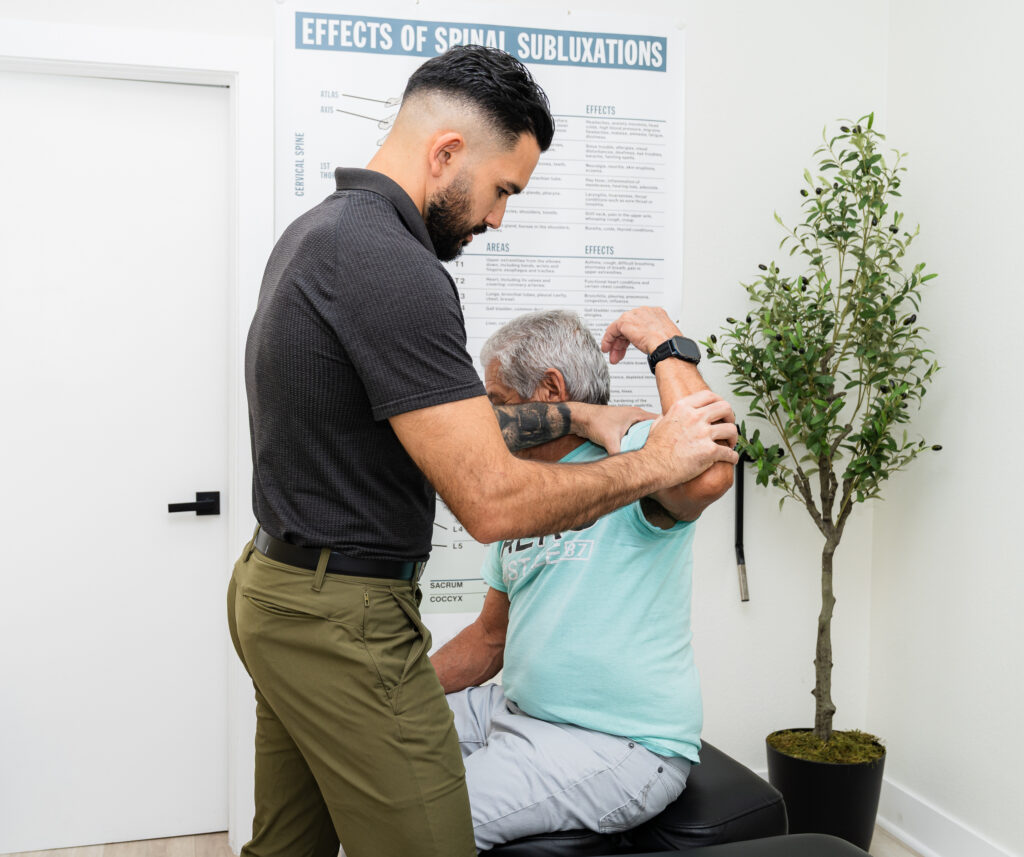

As a local chiropractor, I want to share how gentle techniques can significantly enhance the emotional and physical well-being of infants and toddlers. Understanding their cues and responding with soothing practices not only fosters a deeper connection but can also support their overall health. Techniques such as mindful touch and gentle adjustments can create a nurturing environment that promotes healthy growth and development.
Incorporating these gentle methods into your daily routine is easier than you might think. By observing your child's responses and adjusting your approach accordingly, you can create a calming atmosphere that encourages relaxation and wellness. Exploring these natural healing methods can transform your approach to nurturing young children, ensuring they receive the gentle care they need for optimal health. If you're interested in learning more about how chiropractic care can benefit your little ones, I'm here to help guide you on this journey.
Understanding Infant Communication
As a chiropractor, I want to emphasize the importance of understanding how infants communicate their needs and feelings, even before they can articulate them verbally. Babies express themselves through various cues—such as cries, coos, and body movements—and these signals are essential for recognizing what they require or how they're feeling.
Just like in chiropractic care, where we pay close attention to the body's signals, it's crucial to be observant of these early communication methods to support your baby's well-being. For instance, a hungry baby might cry in a specific pattern, while a tired one may rub their eyes or turn away from stimulation. Each of these cues is akin to how our bodies communicate discomfort or the need for alignment.
Just as we'd address a patient's discomfort promptly, responding to your baby's signals not only makes them feel heard but also strengthens your connection with them. Facial expressions are another key aspect of this communication. A smile can indicate happiness, while a furrowed brow might suggest confusion or discomfort—similar to how we assess a patient's expressions to determine their state of health.
By mimicking your baby's expressions and engaging with them, you're encouraging an exploration of emotions and social interactions, which is vital for their development. Moreover, pay attention to your baby's body language. A baby leaning towards you may be seeking comfort, while one who arches their back could be feeling overwhelmed.
Just as we work to create a nurturing environment for our patients through gentle adjustments and holistic care, being attuned to your baby's cues fosters healthy communication and emotional growth. By understanding these needs early on, you lay the groundwork for a strong, supportive relationship as they grow, much like the foundation we build in chiropractic care for overall health and wellness.
The Power of Positive Reinforcement
As a local chiropractor, I want to share the incredible benefits of positive reinforcement, not just in parenting but also in fostering a holistic approach to health and well-being. Just as nurturing your child's development through encouragement is vital, so too is recognizing the positive changes in your own body and health journey.
When you acknowledge and reward your body for its positive responses to chiropractic care—such as increased mobility, reduced pain, or improved posture—you reinforce these beneficial behaviors. This creates a supportive environment where you feel valued and empowered in your healing process. Instead of solely focusing on discomfort or limitations, celebrating the progress you make fosters a sense of security and confidence in your body's capabilities.
Start by acknowledging even the smallest improvements in your health. For example, if you notice that you can move more freely after an adjustment, take a moment to appreciate that change. Saying something like, "I feel so much better today!" reinforces the positive effects of chiropractic care. You might also treat yourself to a relaxing evening or share your success with a friend. These actions send a powerful message: your efforts toward better health are recognized and appreciated.
Being specific about what you feel is important as well. Instead of simply noting that you feel better, try to articulate what's improved—perhaps you have less tension in your neck or can stand longer without discomfort. This clarity helps you understand the positive outcomes of your chiropractic treatments.
Consistency is essential in this journey, just as it's with nurturing a child's development. Regular chiropractic visits and self-care practices reinforce the same healthy habits so that your body knows what to strive for. Over time, you'll internalize these positive changes, leading to a more natural expression of health and vitality.
Establishing a Gentle Routine
Creating a gentle routine for your child can significantly improve their well-being, and as a local chiropractor, I want to share how this aligns with natural healing principles. Establishing a consistent sleep schedule is crucial for your child's physical and mental health. Quality sleep supports their developing spine and overall nervous system function.
Incorporating calming bedtime rituals can also enhance relaxation, which is essential for both their physical and emotional health. Gentle stretches or light massage before bed can promote relaxation and prepare their bodies for restorative sleep.
Moreover, mindful morning practices can set a positive tone for the day. Stretching and gentle movements can help align the spine and encourage proper posture, which is vital for your child's growth.
As we explore these elements, remember that a gentle routine not only fosters security and stability but also complements the holistic approach of chiropractic care, promoting your child's overall well-being naturally.
Consistent Sleep Schedule
Establishing a consistent sleep schedule is vital for your child's overall health and development, much like how regular chiropractic adjustments can promote well-being. When you create regular sleep times, your child learns to anticipate these periods, making it easier for them to settle down, just as a well-aligned spine can help your body function optimally.
Aim for a bedtime that fits well with your family's routine, and stick to it consistently, even on weekends. This practice helps regulate your child's internal clock, leading to better sleep quality, similar to how maintaining regular chiropractic visits can enhance your overall wellness.
Start by observing your child's natural sleep cues. If they seem tired or fussy at similar times each day, use these signals to guide your schedule, akin to recognizing when your body needs an adjustment.
Keeping nap times consistent is also important, allowing your child to recharge during the day, just as regular rest is crucial for recovery after chiropractic care.
Remember, consistency is key. This doesn't mean being overly rigid; rather, aim to maintain a general framework for sleep. If your child has trouble falling asleep, take a look at their sleep environment. Ensure it's quiet, dark, and comfortable—much like a calm setting for a chiropractic session can enhance relaxation.
If you find the need to adjust your child's sleep schedule, do so gradually. Shift bedtime by 15 minutes every few days; this gentle approach helps your child adapt without feeling overwhelmed, just as gradual changes in your chiropractic care can lead to lasting benefits.
With time, a consistent sleep schedule will foster a sense of security and positively impact your child's mood and behavior throughout the day, just as regular chiropractic visits can contribute to improved health and vitality.
Calming Bedtime Rituals
Creating calming bedtime rituals can significantly benefit your child's overall well-being, especially in relation to their spinal health and sleep quality. As a chiropractor, I often emphasize the importance of a consistent routine that helps transition your child from the busyness of the day to a peaceful night's rest. This routine not only signals to their body that it's time to wind down but can also support their physical health.
Start with a warm bath, which can relax their muscles and joints, promoting a sense of ease. Following this, dressing them in cozy pajamas can enhance their comfort level, allowing for optimal relaxation.
Reading a gentle story is another great addition to the ritual. Select books with soft illustrations and calming narratives. Your soothing voice not only helps them unwind but reinforces feelings of security, which can positively impact their nervous system.
After storytime, dim the lights and consider playing soft music or white noise. This can help create a serene environment conducive to sleep, supporting their body's natural rhythms.
Incorporating a few minutes of cuddling or gentle rocking can also be beneficial. This physical closeness promotes feelings of safety and love, which are essential for emotional and physical development.
As you tuck them in, remind them of the day's positive experiences, reinforcing good feelings and reducing anxiety.
Finally, allow your child a few moments to settle down by saying a simple phrase, like, "Goodnight, sweetheart. Sweet dreams." This consistency fosters familiarity and trust, making bedtime a comforting part of their day.
Mindful Morning Practices
Starting your day with mindful morning practices can significantly influence your overall well-being, including your spinal health. As a chiropractor, I encourage my patients to adopt a gentle morning routine that promotes relaxation and prepares both the body and mind for the day ahead.
Begin by waking up a few minutes earlier than usual to provide yourself with some quiet time. Use this opportunity to gather your thoughts and focus on your posture while sitting or standing. When your child begins to stir, greet them with a warm smile and gentle words, creating a calming environment that can help ease any morning tension.
Involve your little one in a simple morning ritual that encourages movement and mindfulness. This could be a short stretching session or practicing deep breathing together. These activities not only help them connect with their bodies but also promote good spinal health by relieving any stiffness that may have developed overnight.
As you transition to breakfast, opt for healthy, nourishing options and engage your child in conversation about their dreams or plans for the day. This interaction nurtures emotional well-being and can also help reduce stress, which is beneficial for maintaining a healthy spine.
Consider incorporating a brief mindfulness activity, such as observing nature from your window or listening to calming music. These practices can help both you and your child feel grounded and connected, reducing anxiety and promoting relaxation.
Finally, as you wrap up your morning routine, take a moment to express gratitude for the day ahead. This positive mindset can foster a sense of security and stability, which is essential for both mental and physical health.
Responding to Emotional Needs
To effectively support the emotional well-being of your child, it's important to recognize their nonverbal cues, much like how we assess the physical signals your body gives us in chiropractic care.
These signals are crucial for developing strong connections and understanding how your child navigates different situations. By being attuned to these cues, you can foster a nurturing environment that not only promotes emotional growth but also aligns with the holistic approach we take in chiropractic treatment.
Just as we aim to create a balanced and healthy state in the body, responding to these emotional needs can contribute significantly to your child's overall well-being.
Understanding Nonverbal Cues
Understanding nonverbal cues in infants and toddlers can significantly enhance your approach to their emotional well-being, much like how we, as chiropractors, interpret bodily signals to promote overall health.
Just as babies express their needs through body language, facial expressions, and sounds, our bodies communicate discomfort and tension that may require natural healing.
Observing a child's facial expressions is crucial. For instance, a furrowed brow or frown could indicate physical discomfort or stress, while a smile or bright eyes often signal contentment and joy.
Similarly, pay attention to their body language. Tensed limbs or clenched hands may suggest anxiety or physical strain, while relaxed posture typically indicates a state of ease and comfort—similar to how we assess body alignment in chiropractic care.
Listening to the sounds they make is also essential. A baby's cry can signify various needs—hunger, fatigue, or even discomfort that might be alleviated through gentle adjustments.
By tuning into these cues and understanding their implications, you can better address your child's emotional and physical states.
Lastly, keep in mind that context is key. Just as a particular pain might have different implications depending on the circumstances, a nonverbal cue from a child may vary based on their environment.
Building Secure Attachments
Building secure attachments isn't only crucial for your child's emotional development, but it can also play a significant role in their overall physical well-being. As a chiropractor, I see the importance of fostering a supportive environment that promotes both emotional and physical health in children. Just as children need emotional support to thrive, their bodies require care and attention to develop properly.
To nurture these attachments, it's important to respond consistently to your child's physical and emotional needs. When they show signs of discomfort or distress, whether it be through crying or physical tension, comforting them promptly is essential. This reassurance helps them learn that they can rely on you for support, which can translate into a sense of safety and security in their physical health as well.
Being attentive to your child's cues is key. When they reach for you or seek your attention, engage with them in a nurturing manner. This can include not only emotional connection through eye contact and smiles but also understanding their physical needs.
Playtime is a wonderful opportunity for connection, and I encourage parents to participate actively, as this interaction fosters both emotional bonding and encourages healthy physical development.
Encouraging exploration is also important while ensuring your child's physical safety. Let them know you're nearby, offering support as they try new activities. This balance of encouragement and independence helps build their confidence and sense of security, which is vital for their physical and emotional growth.
Lastly, practice patience. Children may require extra reassurance during challenging times, whether emotionally or physically. By consistently being there for them and addressing their needs, you assist them in developing a secure attachment that will benefit their emotional and physical well-being throughout life.
Nurturing this bond now sets the stage for healthy relationships and a strong foundation for their overall health in the future. As a chiropractor, I'm here to support not just your child's physical health, but their emotional journey as well.
Encouraging Exploration and Play
As a chiropractor, I often emphasize the importance of a nurturing environment for infants and toddlers, especially when it comes to their physical development. Imagine a cozy play mat laid out on the floor, inviting your little one to explore their world through play. This setting isn't just a place for fun; it's an essential foundation for developing motor skills and cognitive abilities.
Encouraging your child to crawl, roll, and reach for toys promotes physical movement, which is crucial for their growing bodies. By engaging with them and placing interesting objects within their reach, you're not only fostering their curiosity but also supporting their physical development. This simple act of encouraging movement can ignite a desire to learn and discover, which is beneficial for their overall health.
Creating a safe and stimulating environment is key. Incorporating various textures, colors, and sounds can enhance their sensory experiences. Soft blocks, rattles, and plush animals can all spark interest and imagination.
When you notice your child focused on a toy, allow them the freedom to explore without interruption. This autonomy not only builds their confidence but also encourages vital problem-solving skills.
As your child grows, it's important to introduce more complex play activities like simple puzzles or stacking toys. These challenges help develop their cognitive abilities. Moreover, don't hesitate to join in the fun. Playing alongside your child and demonstrating how to manipulate objects can enhance their play experience and strengthen your emotional bond.
Remember, encouraging exploration goes beyond toys; it encompasses experiences that contribute to their understanding of the world. Taking them outside to feel the grass beneath their feet or listen to the sounds of nature can provide enriching experiences that promote their overall well-being.
Techniques for Soothing Cries
As a local chiropractor, I understand that when your little one cries, it can be an overwhelming experience for any parent. However, there are gentle techniques you can employ to soothe them that align with a natural and holistic approach to health.
First and foremost, ensure that your child's basic needs are met. They may be hungry, tired, or in need of a diaper change. Addressing these fundamental needs can often help calm the situation swiftly.
If their needs are satisfied, consider holding them close. Your warmth and heartbeat can provide a sense of comfort that's essential for their well-being. Swaddling can also be beneficial, as many infants feel secure when wrapped snugly, which can promote relaxation and ease.
Gentle rocking in your arms or in a rocking chair can also be effective. This motion can help ease their distress, similar to the rhythmic movements they experienced in the womb.
Sometimes, a change of environment can work wonders. Taking a short walk outside or moving to a different room can offer fresh stimuli that may distract them and improve their mood. Additionally, creating a soothing atmosphere with soft music or white noise can mimic the sounds they were used to before birth, which can be comforting.
If your child enjoys movement, using a baby swing or stroller can provide gentle motion that soothes them. Offering a pacifier can also help, as the act of sucking can be very calming.
Lastly, don't underestimate the power of your voice. Singing or softly talking to your child can be incredibly reassuring. Your familiar voice can provide comfort during challenging moments.
Remember, every child is unique, and it may take some time to discover the techniques that work best for your little one. With patience, love, and a holistic approach, you can find effective ways to soothe their cries, contributing to their overall health and well-being.
As a chiropractor, I encourage you to explore natural healing methods that honor your child's needs.
Mindful Touch and Massage
As a local chiropractor, I want to share with you the incredible benefits of mindful touch and massage, particularly when it comes to your infant. Engaging in these gentle practices not only helps to soothe your baby but also fosters a deeper connection between you two.
The advantages of infant massage go beyond mere relaxation; they play a significant role in promoting your child's emotional well-being and overall health.
By incorporating mindful touch into your routine, you can alleviate discomfort and enhance your baby's happiness.
Let's take a closer look at some simple techniques that can make a meaningful impact on your infant's comfort and joy. Through these practices, you can support your child's natural healing process and strengthen your bond in a nurturing way.
Benefits of Infant Massage
As a local chiropractor, I want to share with you the profound benefits of infant massage, a practice that aligns perfectly with our natural healing philosophy. Infant massage isn't just a soothing touch; it's a holistic approach to enhancing your baby's well-being while also fostering a closer bond between you and your little one.
When you engage in massage with your infant, you're promoting relaxation and reducing stress for both of you. This gentle technique can effectively calm fussy babies, making it easier for them to settle down and enjoy restful sleep, which is essential for their growth and development.
In addition to promoting relaxation, infant massage has significant physical benefits. It can improve circulation and aid in digestion, potentially alleviating common discomforts like colic and gas. By gently stroking your baby's skin, you stimulate their nervous system, which enhances their sensory awareness and supports motor development. These tactile experiences lay the foundation for their physical growth.
Moreover, the emotional connection formed during these massage sessions is invaluable. Your touch conveys love and security, fostering a deep sense of trust between you and your baby. As you practice this nurturing form of care, you also become more attuned to your baby's cues and responses, which can deepen your understanding of their needs.
Incorporating regular infant massage into your routine can create a more relaxed environment for both you and your child, contributing to a harmonious household. I encourage you to explore this beautiful practice, as it offers numerous rewards for your baby's health and strengthens your relationship.
Techniques for Gentle Touch
As a chiropractor, I want to share the gentle art of touch and how it can foster a nurturing environment for your little one, promoting their comfort and overall well-being.
Mindful touch techniques aren't only beneficial for babies but can also strengthen the bond between you and your child, providing them with a sense of security.
To begin, find a calm and peaceful space where both you and your baby can relax. Speaking in a soft, soothing voice can help engage your little one and create a comforting atmosphere.
Start with gentle strokes on your baby's arms and legs, applying just enough pressure to feel the warmth of their skin without causing any discomfort. Using your fingertips in a circular motion can be particularly soothing.
It's important to pay attention to your baby's cues; if they appear tense or fussy, don't hesitate to adjust the pressure or switch to a different area for massage.
Incorporating rhythmic movements, such as rocking or swaying, can further enhance the experience. Maintaining eye contact and smiling will create a safe space for your baby.
Additionally, softly talking or singing can be incredibly comforting, as your voice plays a significant role in their emotional well-being.
By understanding the power of touch and its healing properties, you can support your baby's development and create a loving environment that promotes their health naturally.
As you explore these techniques, remember that chiropractic care can also play a vital role in your family's overall wellness journey.
Creating a Safe Environment
Creating a safe environment for your little one is essential, especially in the context of promoting their overall health and well-being. Just as we focus on providing a nurturing space for children to explore, it's important to consider how their physical environment can impact their development and posture. Here are three key areas to keep in mind:
- Hazardous items: Just as we advise parents to keep sharp objects and cleaning supplies out of reach to prevent injuries, it's crucial to ensure that your child's environment supports their physical health. Avoid placing heavy objects or clutter in areas where they play, as this can lead to accidents that may affect their alignment and mobility.
- Furniture stability: As a chiropractor, I emphasize the importance of a stable environment for proper posture and spinal health. Make sure that heavy furniture, such as bookshelves and dressers, are secured to the wall to prevent tipping. This not only keeps your child safe but also encourages them to move freely without the risk of injuries that could affect their musculoskeletal development.
- Safe play zones: Designate play areas that are free of hazards and conducive to healthy movement. Soft rugs or padded mats can provide a safe space for your child to explore, minimizing the risk of falls that could lead to injuries. Ensuring that small items that pose a choking hazard are out of reach also contributes to a safer environment.
Additionally, consider using safety gates to block off stairs or areas where you want to limit access, promoting safe exploration. Regularly check your home for new hazards as your child grows more mobile.
By creating a nurturing and safe environment, you're not only protecting your child from potential accidents but also fostering their confidence and encouraging healthy development. A safe space allows them to learn and grow without fear, which is essential for their overall well-being and physical health.
Building Trust Through Consistency
Creating a healthy and supportive environment is crucial for your child's overall well-being, and as a chiropractor, I can tell you that building trust through consistent care is just as vital.
When you establish a routine for your child's physical health, such as regular chiropractic check-ups, they begin to understand what to expect from their wellness journey. This predictability fosters a sense of security, allowing them to grow and develop with confidence.
To nurture this trust, try to schedule consistent appointments for their chiropractic care, ensuring they know when to expect these visits. Just like with meals and playtime, sticking to a routine helps minimize anxiety and promotes a feeling of safety. If there are any changes to the schedule, gently communicate these in advance. Use simple terms to explain what's happening and reassure them about the benefits of their care.
Moreover, your reactions to their health concerns should be consistent as well. If you comfort them when they express discomfort today but dismiss their feelings tomorrow, it creates confusion.
The Role of Active Listening
Active listening is a crucial skill that can enhance the connection between you and your child, much like how a chiropractor seeks to foster a strong relationship with their patients. When you actively listen to your child, you communicate that their thoughts and feelings are important, which can significantly impact their emotional well-being and sense of security.
By engaging in this way, you're not just hearing their words; you're comprehending their needs, which helps build a foundation of trust—similar to how we build trust with our patients through attentive care.
To practice active listening effectively with your child, consider these key strategies that mirror the principles of holistic health care:
- Give Full Attention: Just as we ask our patients to focus on their body's signals, set aside distractions when your child is speaking. Make eye contact and demonstrate that you're fully engaged in their conversation.
- Reflect and Validate: In the same way we confirm our patients' concerns about their health, repeat back what your child says to show understanding and validate their feelings. This reassurance communicates that their emotions are significant.
- Ask Open-Ended Questions: Encourage a deeper dialogue by asking questions that require more than a simple yes or no answer. This approach is akin to guiding patients to explore their symptoms more thoroughly.
By incorporating these techniques, you create a supportive environment for your child to express themselves, much like how we aim to create a safe space for our patients to discuss their health.
This not only strengthens your relationship but also nurtures their self-esteem and emotional intelligence. When children feel heard, they're more likely to communicate openly and develop healthy coping strategies, just as we encourage our patients to understand their bodies and promote natural healing.
In a world filled with distractions, dedicating time to listen actively can profoundly influence your child's development, akin to the positive effects of chiropractic care on overall wellness.
Embrace this gentle technique, and observe how it transforms your interactions, leading to a stronger bond and a happier, healthier child.
Conclusion
As a local chiropractor, I want to share with you how incorporating gentle techniques into the care of infants and toddlers can create a nurturing environment that fosters emotional connection and growth. Understanding how these little ones communicate, responding to their needs, and encouraging their natural curiosity lays a solid foundation for their development.
Gentle chiropractic adjustments, mindful touch, and consistent routines can help build trust and promote relaxation in young children. Positive reinforcement not only nurtures their self-esteem but also supports their overall well-being.
It's important to remember that your calm presence and attentive listening are crucial in helping them feel secure. By creating a safe and loving atmosphere, we can facilitate their journey towards thriving, both physically and emotionally. Together, we can explore how chiropractic care and natural healing can benefit your child's development and overall health.