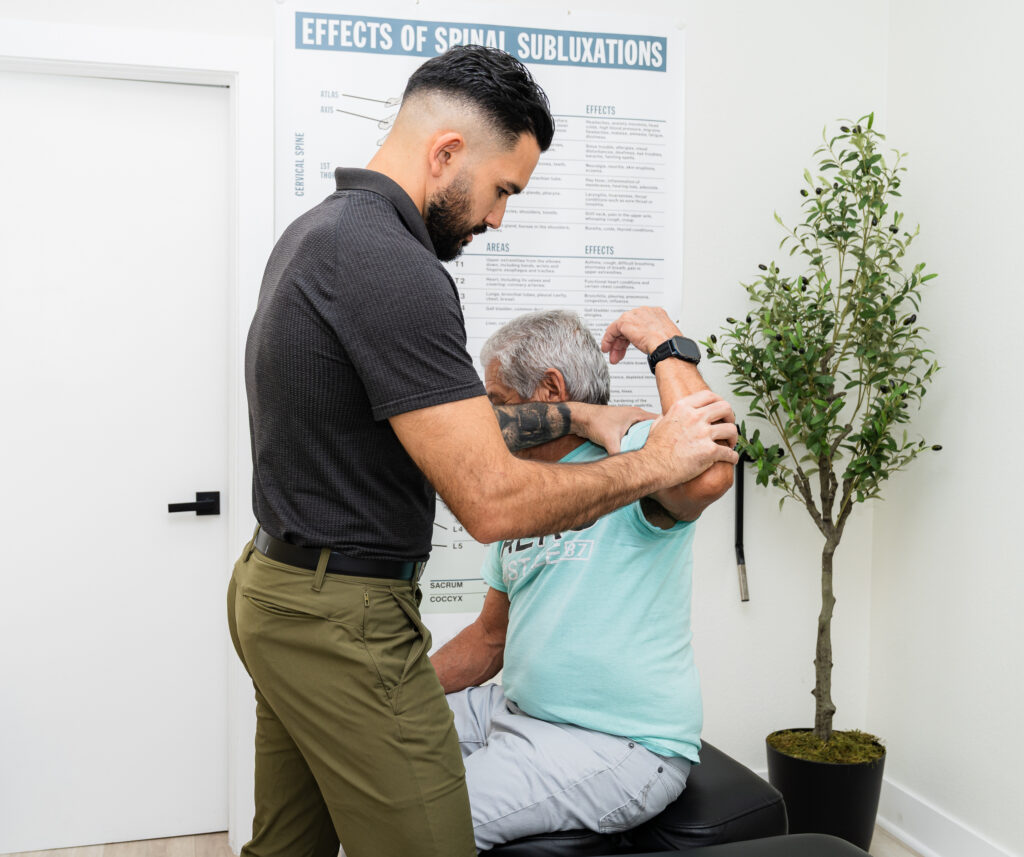

When considering the challenges that children with ADHD face, it's important to understand how chiropractic care can provide support. By focusing on the body's alignment and overall nervous system function, chiropractors can play a significant role in improving your child's well-being. Through gentle adjustments and holistic approaches, we can help manage symptoms naturally, promoting better focus and calmer behavior.
But what specific chiropractic techniques can contribute to meaningful improvements in both academic and social environments? Exploring options like spinal adjustments, nutritional guidance, and stress-reduction strategies can be crucial in navigating the complexities of ADHD management. Our goal is to empower you and your child with tools that enhance health and quality of life, all through the principles of natural healing.
Understanding ADHD in Children
Understanding ADHD in children is important, especially when considering holistic approaches to support their well-being. As a chiropractor, I often see how core symptoms such as inattention, hyperactivity, and impulsivity can impact a child's overall health and development. When parents bring in their kids who display these behaviors, it's crucial to explore how these challenges might be affecting their daily lives.
Children with ADHD may struggle to maintain focus on tasks, often daydreaming or getting easily distracted by their surroundings. This inattention can lead to difficulties at school and home, making it hard for them to complete assignments or chores. As a chiropractor, I believe that addressing spinal health and overall physical wellness can help improve focus and concentration.
Hyperactivity, which can show up as excessive movement or an inability to stay still, is another symptom we frequently see. Kids might fidget, run around, or talk continuously, which can disrupt their learning environment. By promoting proper spinal alignment and encouraging relaxation techniques, we can help reduce this hyperactive energy and foster a calmer demeanor.
Impulsivity is yet another challenge for children with ADHD. They might act without considering the consequences, interrupting others or making snap decisions. Chiropractors can assist by emphasizing the connection between physical health and mental clarity, helping children to develop better impulse control and social skills.
Understanding these symptoms is fundamental for creating a supportive environment for your child. I encourage parents to be patient and proactive, exploring natural healing strategies that can complement traditional approaches.
Importance of Early Diagnosis
Early diagnosis of conditions like ADHD can significantly impact a child's overall well-being and development, much like how early intervention in chiropractic care can enhance physical health. As a local chiropractor, I want to emphasize the importance of recognizing signs of ADHD, such as impulsivity, inattention, or hyperactivity. When you identify these symptoms early, you empower your child to thrive both academically and socially.
Just as early chiropractic treatment can alleviate discomfort and improve overall function, addressing ADHD symptoms promptly can help minimize the risk of academic struggles and social challenges. Children with undiagnosed ADHD may experience difficulties in school, leading to frustration and a decline in self-esteem. By seeking help early, whether through chiropractic care or other supportive resources, you can equip your child with the tools they need to succeed.
Furthermore, early diagnosis fosters a deeper understanding of ADHD for both you and your child. It's crucial to recognize that their challenges aren't due to a lack of effort but stem from a neurodevelopmental condition. This knowledge can enhance your relationship, promote effective communication, and make it easier to navigate daily challenges together.
Additionally, an early diagnosis allows you to build a supportive network of healthcare providers, educators, and other families. This community can offer encouragement and valuable resources.
Just as chiropractic care focuses on holistic health and wellness, prioritizing early diagnosis for ADHD equips you and your child with the knowledge and support to navigate life's challenges, turning potential obstacles into opportunities for growth and success.
Tailored Treatment Plans
Recognizing the signs of ADHD early on can pave the way for developing personalized treatment plans that cater specifically to your child's individual needs. Each child with ADHD is unique, and a generic approach simply won't suffice. As a chiropractor, I encourage you to collaborate closely with healthcare professionals, including pediatricians and specialists, to devise a comprehensive plan that takes into account your child's strengths, challenges, and preferences.
The initial step involves a thorough evaluation to pinpoint the specific symptoms and behaviors your child exhibits. This assessment serves as the cornerstone for a customized approach.
It could be beneficial to incorporate a variety of strategies, including natural therapies, lifestyle adjustments, and support for academic success, to ensure a well-rounded method. Chiropractic care can play a vital role in improving overall well-being for some children.
It's essential to discuss the potential benefits of chiropractic adjustments and other natural therapies with your healthcare provider. If chiropractic care is included in the treatment plan, regular sessions will help monitor progress and adapt the approach as needed.
Moreover, integrating organizational tools and structured routines into your child's daily life can significantly aid in managing ADHD symptoms. Creating a stable environment can make a world of difference.
Additionally, exploring educational accommodations that align with your child's learning style can help them thrive in their academic pursuits.
Remember, involving your child in the development of their treatment plan can be empowering. Encourage them to share their thoughts and preferences, nurturing a sense of ownership over their healing journey.
Role of Behavioral Therapy
As a local chiropractor, I want to emphasize the vital role that natural healing and holistic approaches can play in managing conditions like ADHD.
Through chiropractic care, we focus on promoting overall well-being and enhancing the body's ability to function optimally. You'll learn about how spinal alignment and nervous system health can positively influence behavior and focus.
It's important to be actively involved in this journey, as we work together to create a supportive environment that encourages not only physical but also emotional growth and development for your child.
Understanding Behavioral Techniques
When it comes to managing conditions like ADHD in children, understanding the role of natural healing techniques can be transformative. As a chiropractor, I focus on holistic approaches that help modify behaviors by improving overall well-being. We work together to identify specific challenges, such as impulsivity or difficulties with focus, often linked to physical health and nervous system function.
A key aspect of chiropractic care is promoting self-regulation through spinal adjustments and other natural therapies. These methods can help your child better recognize their emotions and impulses, allowing them to respond more effectively to various situations. Through gentle adjustments, we aim to enhance their nervous system communication, which can lead to improved emotional regulation and behavior.
Setting realistic, achievable goals is also essential in our approach. By breaking down health and wellness tasks into smaller, manageable steps, your child can experience success, which can significantly boost their confidence.
Consistent care is vital, and regular visits to the chiropractor can help us monitor progress and adjust our strategies as needed.
Incorporating these natural techniques creates a supportive environment, making it easier for your child to thrive both academically and socially. This proactive approach not only benefits your child's health but can also strengthen the bond between you and your child as you navigate their wellness journey together.
If you're interested in learning more about how chiropractic care can support your family, I invite you to reach out for a consultation.
Positive Reinforcement Strategies
Positive reinforcement is a valuable approach not only in managing behaviors but also in promoting overall wellness, including in the context of chiropractic care. By focusing on encouraging positive health habits rather than just addressing negative symptoms, we create an environment that supports healing and improvement.
When you reinforce healthy actions—like maintaining good posture or following through with recommended exercises—you help your body associate these behaviors with positive outcomes.
To effectively implement this concept in your wellness journey, consider establishing a reward system for yourself. This could be as simple as acknowledging your progress, treating yourself to a relaxing activity, or even keeping a journal to track your achievements.
Make sure the rewards resonate with what motivates you; this will inspire you to engage in the health-promoting behaviors we discuss.
Consistency is key in reinforcing these positive health behaviors. When you notice yourself taking steps towards better health, such as sticking to your chiropractic adjustments or practicing at-home stretches, recognize that achievement right away.
This immediate acknowledgment helps solidify those positive actions in your routine. Additionally, be specific in your self-praise—rather than just saying, "I did well," clarify what you accomplished, like "I did a great job following my treatment plan this week!"
Parent Involvement Importance
As a local chiropractor, I want to emphasize the importance of your involvement in the healing journey, especially when it comes to managing conditions like ADHD. Just as behavioral therapy benefits from parental participation, chiropractic care thrives when patients engage actively in their treatment process.
When you take an active role in your care, you reinforce the adjustments and techniques learned during your visits. This consistency at home helps you internalize the principles of natural healing and wellness that we discuss in the office.
By collaborating closely with me, you can gain valuable insights into the strategies that work best for your specific needs. Understanding the challenges you face and how to address them effectively is key to your progress. Regular communication with me allows us to track your improvements and make necessary adjustments to your treatment plan.
Moreover, your involvement creates a supportive environment for healing. By practicing healthy habits together—such as maintaining good posture or incorporating stretching into your routine—you help yourself feel more balanced and understood.
This connection can greatly enhance your overall well-being and emotional health. Remember, your active participation is vital to achieving the best outcomes in your chiropractic care!
Medication Management Options
As a local chiropractor, I want to share some insights on managing ADHD in children through natural and holistic approaches. While many are familiar with medication options, it's important to explore all avenues for treatment, including chiropractic care and lifestyle modifications.
When it comes to addressing ADHD, the focus isn't solely on medication. Many parents find that chiropractic adjustments can help improve their child's focus and reduce hyperactivity. By aligning the spine and optimizing nervous system function, we can enhance overall health and well-being. This can lead to improved concentration and emotional regulation, which are essential for children with ADHD.
In addition to chiropractic care, incorporating behavioral therapy and healthy lifestyle changes—such as proper nutrition, regular exercise, and adequate sleep—can significantly benefit children with ADHD. These strategies support the body's natural ability to manage symptoms without relying solely on stimulants or non-stimulants.
It's crucial to work collaboratively with your child's healthcare providers, including pediatricians and therapists, to create a comprehensive treatment plan. This plan should include regular chiropractic visits to monitor your child's progress and adjust care as needed.
Remember, finding the right combination of therapies may take time, so patience and open communication are key.
Ultimately, our goal is to empower your child to thrive both academically and socially, while ensuring their overall health and well-being. Regular consultations with your healthcare provider will help ensure that the chosen methods remain effective and supportive of your child's evolving needs.
Embracing a holistic approach can lead to lasting improvements in their quality of life.
Parent and Caregiver Support
Navigating the challenges of ADHD can feel overwhelming for many families, but it's important to know that you're not alone in this journey. As a local chiropractor, I want to emphasize the role of holistic approaches in supporting both caregivers and children managing ADHD. There are various resources and natural healing methods that can significantly enhance your family's well-being.
Connecting with other families who are facing similar challenges can offer support and valuable insights. Consider joining local or online groups where you can share experiences and learn from one another. This community aspect can provide comfort and practical strategies as you navigate the complexities of ADHD.
Open communication with healthcare providers, including your chiropractor, is essential. We can offer tailored advice, resources, and referrals to specialists who may assist in creating a comprehensive care plan. Don't hesitate to discuss your concerns or ask questions during your visits; after all, you're your child's best advocate.
Establishing a consistent routine is another key factor in creating a sense of stability for your child while also easing stress for you. A structured daily schedule can help manage tasks and behaviors more effectively. Incorporating chiropractic care can support your child's overall health, potentially improving their focus and emotional regulation.
Positive reinforcement is crucial as well. By celebrating small victories, you can encourage desired behaviors and help build your child's self-esteem.
Additionally, self-care is vital for caregivers. Caring for a child with ADHD can be demanding, so it's important to prioritize your own well-being. Engage in activities that recharge you, whether that's through chiropractic adjustments, exercise, or time spent with friends.
Strategies for Academic Success
Achieving optimal health and well-being can be a significant concern for families, particularly for children with ADHD. As a local chiropractor, I want to share some natural strategies that can help your child thrive not just in the classroom but in all areas of life.
First and foremost, establishing a structured routine is vital. Consistency in daily activities helps children know what to expect, making it easier for them to focus and stay engaged. Designate specific times for homework, breaks, and activities that promote physical movement, which can significantly benefit their overall focus.
Incorporating visual aids into your child's learning process can also enhance their understanding. Just as we use adjustments to align the body, using charts, diagrams, and color-coded notes can help your child visualize concepts better. Encourage them to break tasks into smaller, manageable steps, similar to how we approach treatment plans in chiropractic care—one adjustment at a time.
Regular check-ins during homework time can be crucial. Engage with your child by asking questions to assess their understanding and offer guidance as needed, much like how we monitor progress during chiropractic sessions. Remember to celebrate their achievements, no matter how small, as this positive reinforcement can boost their confidence and motivation.
Communication with educators is equally important. Share insights about your child's strengths and challenges and discuss potential accommodations that could support their learning process. Just like we customize care for each patient, tailored approaches in the classroom can make a significant difference.
Lastly, consider the role of technology in your child's education. There are numerous educational apps and tools designed to engage children with ADHD, making learning interactive and enjoyable.
Enhancing Social Skills
As a local chiropractor, I want to share the importance of fostering social skills, particularly for children with ADHD.
One effective approach is to incorporate play-based learning activities into their daily routine. These engaging experiences not only promote physical well-being but also encourage peer interactions, allowing children to develop meaningful connections.
By focusing on social play, we can enhance their communication abilities and help them build stronger relationships with others, all while supporting their overall health through natural healing practices.
Play-Based Learning Activities
As a local chiropractor, I want to share how engaging in play-based learning activities can be incredibly beneficial for children with ADHD, especially in enhancing their social skills.
These fun and interactive activities not only support physical well-being but also foster essential social skills like cooperation, communication, and empathy.
When children play together, they learn important life lessons about expressing their feelings and resolving conflicts. Incorporating teamwork games, such as building a fort or participating in cooperative board games, helps children practice vital skills like taking turns and listening to others.
Role-playing games are particularly advantageous, allowing kids to step into different characters and navigate various social situations.
It's crucial to choose play activities that align with your child's interests. When they're engaged and motivated, they're more likely to reap the benefits of social interaction.
Encouraging participation in group activities such as sports or art projects can further promote relationship-building with peers, which is essential for their emotional and social development.
As your child immerses themselves in these play-based activities, you may notice improvements in their ability to connect with others.
This supportive environment can lead to lasting friendships and a deeper understanding of social dynamics, enriching your child's overall development.
Peer Interaction Strategies
As a local chiropractor, I want to share how incorporating effective peer interaction strategies can greatly benefit children, especially those with ADHD, in their overall development.
One of the key components of a healthy lifestyle is engaging in play-based learning, which not only helps in physical development but also enhances social skills.
Encouraging cooperative games that require teamwork can be incredibly beneficial. These activities promote collaboration and communication, essential skills for children as they grow. Organizing small group activities allows children to practice taking turns and sharing, reinforcing positive interactions in a fun and engaging way.
Modeling appropriate social behaviors is crucial. Demonstrating how to initiate conversations, express emotions, and handle conflicts can provide children with valuable tools for navigating social situations. Role-playing different scenarios can also be an enjoyable method for your child to practice these skills in a safe environment.
It's also helpful to arrange playdates with peers who share similar interests. This can create a foundation for connections based on shared activities, fostering friendships that are key to emotional well-being.
As a chiropractor, I believe in the importance of feedback during interactions. Highlighting positive behaviors and gently suggesting improvements can help build a child's confidence in social settings. Praise is a powerful tool that reinforces successful social interactions, encouraging children to engage more positively with their peers.
Lastly, maintaining open communication with teachers and caregivers is essential. A supportive network can significantly enhance a child's journey in developing social skills, much like how a collaborative approach in healthcare promotes overall well-being.
Monitoring Progress and Adjustments
Monitoring progress in children with ADHD is an essential aspect of their overall well-being, and as a local chiropractor, I want to emphasize the importance of a holistic approach to care.
Collaboration between parents, healthcare providers, and educators is crucial in supporting your child's health. By maintaining regular communication with teachers and caregivers, you can gain valuable insights into your child's behavior and academic performance.
It's vital to observe your child's progress consistently and consider both informal observations and formal assessments. Working together with healthcare professionals, including chiropractors, allows you to set clear, measurable, and realistic goals for your child's development.
This collaborative effort helps determine the effectiveness of various strategies and interventions, including natural healing practices.
If your child is receiving chiropractic care, regular check-ins with me can help assess the impact of our treatments and make any necessary adjustments. I can provide guidance on how spinal health and overall wellness can influence your child's ability to focus, follow instructions, and engage with peers.
Keeping a journal of your child's daily behaviors, challenges, and improvements can be incredibly beneficial. This documentation can offer valuable insights during consultations with me or other healthcare providers.
If you notice your child facing difficulties despite the interventions, it's essential to communicate your concerns. Sometimes, modifications in chiropractic therapy, lifestyle adjustments, or classroom strategies are needed to better support your child's journey toward improved health and well-being.
Conclusion
As a local chiropractor, I want to highlight the importance of comprehensive care for children with ADHD. Pediatric care, including chiropractic approaches, plays a vital role in supporting these kids. Early assessment and individualized treatment strategies can significantly contribute to your child's development and overall well-being.
Chiropractic care focuses on enhancing the nervous system's function, which can positively influence behavior and attention. By incorporating natural healing methods alongside traditional interventions, we can help improve your child's focus and emotional regulation.
Moreover, we emphasize the importance of creating a supportive environment for both the child and their caregivers. By educating parents about effective lifestyle choices, nutrition, and stress management, we empower families to foster a nurturing atmosphere that promotes health and success.
Incorporating holistic strategies can also enhance your child's academic performance and social skills. Regular check-ins and adjustments can help monitor their progress, allowing us to tailor our approach as needed. Together, we can nurture your child's growth and help them thrive in all aspects of their life.