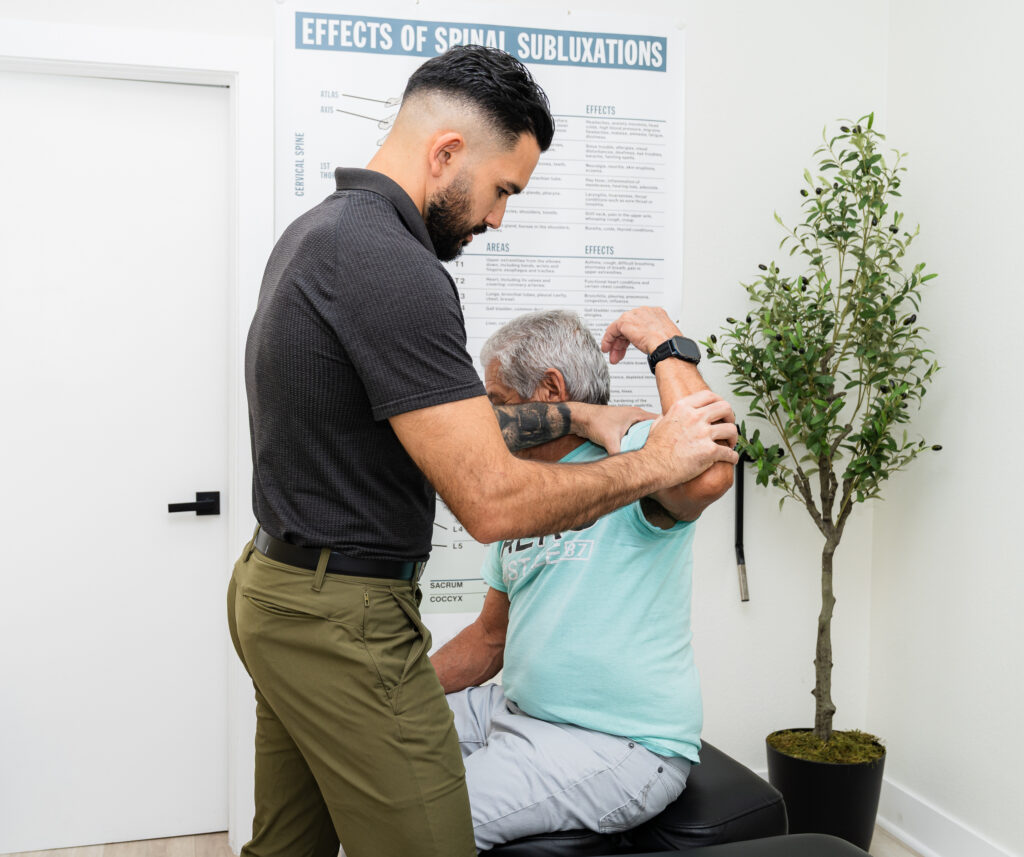

If you're dealing with upper back pain, it's important to know that you're not alone—many individuals experience this discomfort on a daily basis. As a local chiropractor, I want to help you understand the underlying causes of your pain and guide you toward effective solutions. One of the first steps is incorporating simple stretching and strengthening exercises into your daily routine, which can significantly improve your condition.
Additionally, making ergonomic adjustments in your workspace plays a vital role in enhancing your comfort and preventing further strain. It's also essential to recognize that stress can contribute to tension in your upper back, so exploring stress management techniques can be beneficial for your overall well-being.
By understanding and applying these strategies, you can find effective relief from upper back pain and improve your quality of life. Together, we can work on approaches that may change the way you engage in your daily activities, leading to a healthier, pain-free lifestyle.
Understanding Upper Back Pain
As a local chiropractor, I often see patients struggling with upper back pain, which can arise from a variety of factors including poor posture, muscle strain, or even underlying medical conditions. It's essential to recognize the root cause of your discomfort for effective relief and healing.
One common culprit is poor posture. Many people spend long hours sitting at desks or hunching over their phones, which can lead to muscle fatigue and discomfort in the upper back. You mightn't even be aware of how often you're slouching until the pain becomes significant. This is where chiropractic care can help. By addressing your posture and aligning your spine, we can alleviate tension and promote better body mechanics.
Muscle strain is another frequent cause of upper back pain. This often occurs when lifting heavy objects improperly or pushing your body too hard during physical activities. You might experience a sharp pain or a dull ache that interferes with your daily life. It's essential to listen to your body and seek help before the discomfort escalates. Chiropractic adjustments can support your muscles and improve mobility, helping you recover more effectively.
It's also important to be aware that persistent upper back pain could be a sign of more serious health issues, such as herniated discs or arthritis. If self-care measures don't bring relief, I encourage you to consult with a healthcare professional. A thorough evaluation can uncover any underlying conditions that may be contributing to your pain.
Additionally, emotional stress plays a significant role in muscle tension, particularly in the upper back. During stressful periods, it's common for muscles to tighten, which can worsen pain. By recognizing this connection, you can address both the physical symptoms and the emotional factors affecting your well-being. Chiropractic care not only focuses on physical alignment but also emphasizes holistic healing, which includes managing stress and promoting relaxation.
Effective Stretching Techniques
As a chiropractor dedicated to helping you understand the benefits of natural healing, I want to share some effective stretching techniques that can significantly relieve upper back pain. Incorporating these targeted stretches into your daily routine not only helps alleviate tension but also improves flexibility and promotes better posture — all crucial elements for preventing and managing discomfort.
Here are four simple yet effective stretching techniques to consider:
- Cat-Cow Stretch: Begin on all fours, ensuring your wrists are aligned under your shoulders and your knees under your hips. Inhale deeply, arching your back into the 'cow position' while lifting your head. Then, exhale as you round your spine into the 'cat position,' tucking your chin to your chest. Repeat this flow for 5-10 breaths. This stretch promotes spinal flexibility and helps release tension.
- Child's Pose: Kneel comfortably on the floor and sit back on your heels. Stretch your arms forward, resting your forehead on the mat. Focus on your breathing, taking deep, calming breaths. Hold this position for 30 seconds to a minute. This pose is excellent for releasing upper back tension and promoting relaxation.
- Thoracic Spine Rotation: You can do this stretch sitting cross-legged or on a chair. Place your right hand on your left knee and gently twist your torso to the left, feeling the stretch in your spine. Hold this position for 15-30 seconds, then switch sides. This movement enhances spinal mobility and can help alleviate stiffness.
- Wall Angels: Stand against a wall, positioning your feet slightly away from it. Raise your arms to create a 'W' shape against the wall, then smoothly slide them upward into a 'Y' shape. Ensure your back, head, and arms remain in contact with the wall throughout the movement. Repeat this for 10 repetitions. This exercise is fantastic for improving shoulder mobility and posture.
By incorporating these stretches into your routine, you can effectively alleviate upper back pain and enhance your overall well-being.
Strengthening Exercises for Relief
As a local chiropractor, I want to share how incorporating strengthening exercises into your routine can significantly aid in relieving upper back pain. These exercises are designed to build the muscles that support your upper back, improve your posture, and alleviate strain on your spine. By focusing on specific muscle groups, you can develop a stronger back, better prepared to cope with everyday stresses.
Let's start with a simple yet effective exercise called the wall angel. Stand with your back against a wall, positioning your feet a few inches away. Ensure your lower back is pressed against the wall. Raise your arms to create a "W" shape, then gently slide them upward to form a "Y." Aim for 10-15 repetitions. This movement strengthens your upper back and helps open up your chest, which can be particularly beneficial for improving posture.
Another great exercise is the bent-over row. Using a pair of light dumbbells, hinge at your hips while maintaining a straight back. Pull the weights towards your hips, making sure to squeeze your shoulder blades together at the top of the movement. Try to complete 2-3 sets of 10-12 repetitions. This exercise specifically targets the rhomboids and trapezius muscles, which are crucial for maintaining proper posture.
Also, don't overlook the benefits of planks! This exercise engages your entire core, including the muscles in your upper back. Start by positioning yourself on your forearms and toes, ensuring your body forms a straight line from head to heels. Hold this position for 20-30 seconds, gradually increasing your duration as you build strength.
Incorporating these exercises into your weekly routine can lead to noticeable improvements in upper back pain. Remember, consistency is essential. Stay dedicated to these exercises, and you'll soon find yourself feeling stronger and more comfortable.
As a chiropractor, I'm here to support you on your journey to better health and wellness through natural healing methods.
Ergonomic Adjustments for Comfort
Creating a comfortable workspace is crucial for avoiding upper back pain, especially if you find yourself sitting at a desk for extended periods. As a chiropractor, I want to share some effective ergonomic adjustments that can significantly improve your comfort and provide essential support for your back:
1. Adjust Your Chair: It's vital that your chair offers proper support for your lower back. Make sure to adjust the height so that your feet rest flat on the ground, and your knees are aligned with your hips.
This alignment helps maintain your spine's natural curve and reduces strain.
2. Position Your Monitor: Your computer monitor should be at eye level and about an arm's length away.
This setup encourages you to keep your head in a neutral position, preventing the need to lean forward or look down, both of which can lead to upper back strain over time.
3. Keyboard and Mouse Placement: Ensure that your keyboard and mouse are within easy reach, allowing you to use them without having to stretch.
Your elbows should ideally be at a 90-degree angle, and your wrists should remain straight.
This positioning helps minimize discomfort and supports better posture.
4. Take Breaks: It's important to take regular breaks—try to stand up and stretch every hour.
Simple movements, like rolling your shoulders or stretching your arms, can help alleviate tension and enhance circulation, making a significant difference in how your back feels.
By implementing these ergonomic adjustments, you can create a healthier workspace that not only enhances your comfort but also promotes overall well-being.
Relaxation and Stress Management
As a local chiropractor, I want to share with you some effective relaxation and stress management techniques that can significantly help relieve upper back pain. Many people don't realize that when we experience stress, our muscles tend to tighten, which can lead to discomfort and pain in the back. By integrating relaxation strategies into your daily routine, you can reduce this tension and support a healthier spine.
One of the simplest yet most effective techniques is deep breathing exercises. I encourage you to take a moment each day to inhale deeply through your nose, allowing your abdomen to expand, and then exhale slowly through your mouth. Just a few minutes of this practice can dramatically lower stress levels and help relax the muscles in your back.
Another method I often recommend is progressive muscle relaxation. You can start this practice by focusing on your toes and gradually working your way up through your body. Tense each muscle group for a few seconds before releasing. This technique not only helps to relax your muscles but also increases your awareness of where you may be holding tension, allowing you to address those areas more effectively.
Mindfulness meditation is another tool that can be incredibly beneficial. I suggest setting aside a few minutes each day to sit quietly, concentrate on your breath, and let go of any distracting thoughts. This practice helps calm your mind and can reduce the stress that contributes to upper back pain.
Lastly, I encourage you to engage in regular physical activities like yoga or tai chi. These practices are excellent for promoting flexibility and strength while incorporating mindfulness and relaxation techniques that can help alleviate tension in your back.
Conclusion
As a local chiropractor, I want to share some valuable techniques that can help you relieve upper back pain and enhance your overall well-being. It's important to incorporate stretching and strengthening exercises into your daily routine, as these can significantly support your spine's health. Additionally, making ergonomic adjustments to your workspace can help reduce strain on your back while you work.
Stress management is also crucial; practicing relaxation techniques can alleviate tension in your body, which often contributes to discomfort. Remember, consistency is essential—commitment to these changes will lead to lasting relief from pain. By taking these steps, you can enjoy a more pain-free life and promote your spine's health naturally. If you have any questions or need guidance, I'm here to help you on your journey to better health.