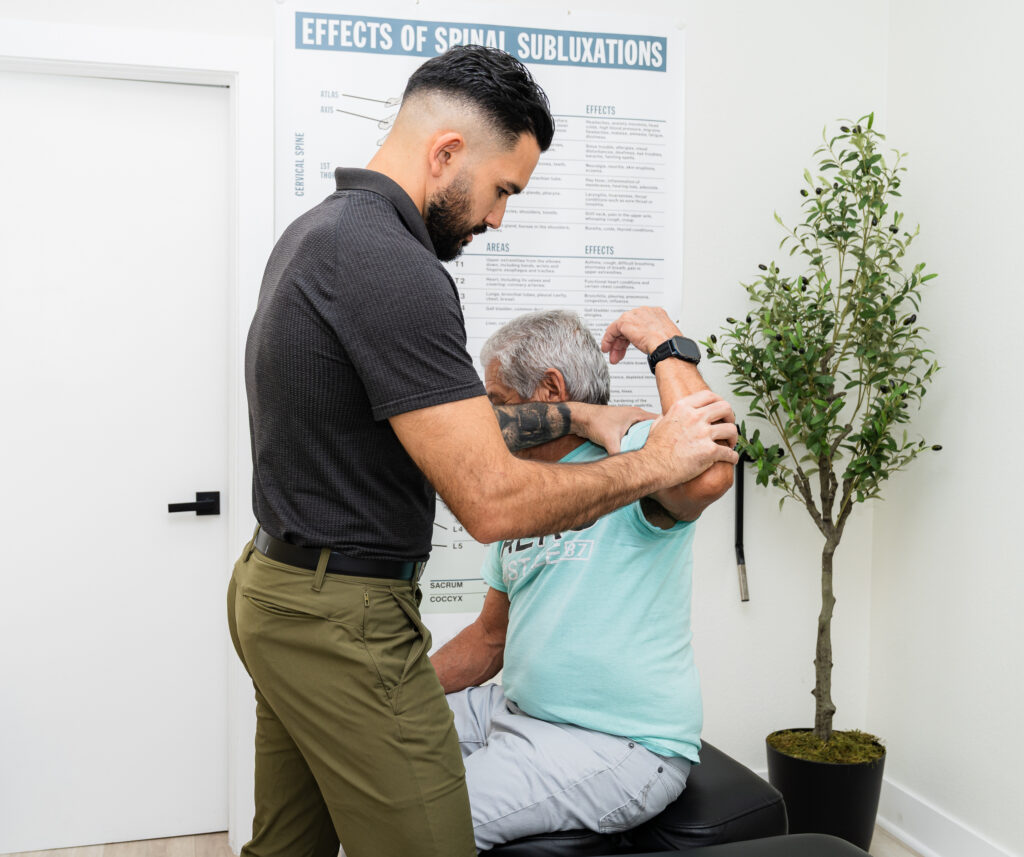

As a local chiropractor, I often see patients who are looking for effective ways to manage their pain without relying solely on medications. It's important to understand that natural relief methods can be incredibly powerful and shouldn't be overlooked. Small lifestyle changes, such as staying well-hydrated and including anti-inflammatory foods in your diet, can significantly impact your overall well-being and pain levels.
Moreover, incorporating mindfulness practices and gentle exercises into your routine can play a crucial role in pain management. These methods not only help alleviate discomfort but also promote a healthier body and mind connection.
But that's just the tip of the iceberg! There are numerous other strategies we can discuss that can complement your pain relief journey. Are you interested in discovering how simple adjustments to your daily habits can lead to lasting relief? Let's work together to explore these effective natural methods for pain management.
Stay Hydrated
As a local chiropractor, I want to emphasize the importance of staying hydrated for your overall health and well-being, particularly when it comes to managing pain levels. Many people don't realize that dehydration can lead to increased discomfort and a heightened sensitivity to pain. When your body lacks sufficient water, it can struggle to function properly, affecting everything from circulation to nutrient transport, both of which play a crucial role in how you experience pain.
Throughout the day, your body loses fluids in various ways—through physical activity, hot weather, and even regular breathing. It's essential to make hydration a priority. I recommend getting into the habit of drinking water consistently and keeping a water bottle with you as a reminder to sip throughout the day. A general guideline is to aim for at least eight 8-ounce glasses of water daily, but keep in mind that individual hydration needs can vary based on your activity level and the climate.
If plain water doesn't excite you, try adding slices of citrus fruits or cucumber for a refreshing change. Herbal teas are another excellent option, as they not only help with hydration but also offer additional health benefits.
Listen to your body; if you feel thirsty or notice that your urine is dark, it's a clear sign that you need to increase your water intake.
Also, be mindful of your caffeine and alcohol consumption, as both can lead to dehydration. Whenever you enjoy these beverages, balance them out with extra water to keep your hydration levels in check.
Incorporate Anti-Inflammatory Foods
As a local chiropractor, I often emphasize the significant role that diet plays in pain management. One effective way to enhance your healing process is by incorporating anti-inflammatory foods into your meals. Inflammation is a common contributor to pain, and by choosing the right foods, you can actively support your body's natural healing capabilities.
Let's start with fatty fish such as salmon, mackerel, and sardines. These fish are loaded with omega-3 fatty acids, which have strong anti-inflammatory properties. Including these in your diet can make a noticeable difference in how you feel.
It's also beneficial to fill your plate with colorful fruits and vegetables. Think berries, cherries, spinach, and kale—all rich in antioxidants that help fight inflammation and boost your overall health.
Don't overlook spices, either! Turmeric and ginger are fantastic additions to your meals. Turmeric contains curcumin, which is known for its anti-inflammatory effects, while ginger can help alleviate muscle pain and soreness.
When it comes to healthy fats, opt for extra virgin olive oil. Not only does it enhance the flavor of your dishes, but it also offers similar benefits to omega-3s. Additionally, nuts like walnuts and almonds are excellent sources of healthy fats and further contribute to reducing inflammation.
Incorporating whole grains, such as brown rice and quinoa, is another way to support a balanced diet while minimizing inflammation.
On the other hand, it's essential to limit processed foods and sugars, as these can trigger inflammation and worsen pain. By being mindful of what you eat and focusing on these anti-inflammatory foods, you can empower your body to manage and relieve pain naturally.
Practice Mindfulness and Meditation
As a local chiropractor, I want to share how practicing mindfulness and meditation can significantly enhance your journey toward pain management. By focusing your mind and calming your thoughts, these techniques can serve as powerful tools to help you cope with discomfort.
Mindfulness encourages you to be present, allowing you to observe your pain without judgment. This shift in perspective can help reduce the emotional response to pain, making it feel more manageable.
Here are some techniques that can easily be integrated into your daily routine:
- Breathing Exercises: Start by anchoring your thoughts through your breath. Inhale slowly for a count of four, hold for another four, and then exhale for four. Repeat this cycle to help center your mind and body.
- Body Scans: Lie down comfortably and take a moment to mentally scan your body from head to toe. Acknowledge any areas of tension and consciously relax them. This practice can complement the physical adjustments we make in the office.
- Guided Meditations: Consider using apps or online resources that provide guided sessions specifically for pain relief. These can offer structured support tailored to your needs and can be a great addition to your chiropractic care.
- Mindful Walking: Take slow, deliberate steps while paying attention to the sensations in your body and the ground beneath your feet. This practice helps connect your mind to your physical state and can enhance your overall awareness.
- Visualization Techniques: Picture yourself in a peaceful setting or visualize your pain diminishing. This mental imagery can create a calming effect and help shift your focus away from discomfort.
By incorporating mindfulness and meditation into your routine, you can empower yourself to take control of your pain. With consistent practice, you may discover a newfound resilience and a deeper sense of peace, complementing the benefits of chiropractic care and natural healing.
Try Gentle Exercise
As a chiropractor, I want to emphasize the importance of gentle exercise as a vital component of your pain management strategy. Engaging in low-impact activities not only improves blood circulation but also helps alleviate stiffness and can trigger the release of endorphins—your body's natural pain relievers.
Whether it's walking, swimming, or practicing yoga, finding an enjoyable activity is key to maintaining a consistent routine.
I recommend starting with brief sessions to prevent overexertion. Aim for about 10 to 15 minutes of gentle exercise each day, gradually increasing the duration as your body becomes accustomed. Pay close attention to how your body feels; if you experience any discomfort, it's crucial to stop and allow yourself to rest. The objective is to promote movement without inciting additional pain.
Incorporating stretching exercises can significantly enhance your flexibility and reduce muscle tension. Simple stretches targeting your neck, back, and limbs can be particularly beneficial. Additionally, utilizing tools like a foam roller or massage ball can help release tight areas in your muscles, fostering relaxation and alleviating pain.
Consider joining a gentle exercise class, as it can offer motivation and support. Many local community centers provide classes designed for various fitness levels, allowing you to connect with others who share similar wellness goals. Working with an instructor can also ensure you're using proper techniques, which minimizes the risk of injury.
Ultimately, maintaining a consistent practice of gentle exercise not only aids in pain reduction but also enhances your overall well-being. By integrating movement into your daily life, you may notice improvements in your mood, increased energy levels, and a better quality of life.
Explore Herbal Remedies
As a local chiropractor, I want to share with you some valuable insights about natural pain relief options, particularly through herbal remedies.
Many of my patients have found success with popular choices like turmeric and ginger, known for their anti-inflammatory properties that can help alleviate discomfort.
It's important to understand that the way you prepare these herbs and the dosage you use can significantly impact their effectiveness.
By integrating these natural remedies into your wellness routine, alongside chiropractic care, you can enhance your body's healing process and improve your overall quality of life.
Popular Herbal Options
As a local chiropractor, I want to share with you some effective natural pain relief options that can complement your treatment and enhance your overall well-being.
Many patients are turning to herbal remedies for their accessibility and minimal side effects. Here are some popular herbal options you might find beneficial:
- Turmeric: This powerful herb is widely recognized for its anti-inflammatory properties. It may help reduce pain associated with conditions like arthritis and muscle strains, making it a great addition to your pain management toolkit.
- Ginger: Commonly found in kitchens, ginger isn't just a flavorful spice. It can also alleviate pain, especially for menstrual cramps and headaches, providing a natural alternative for relief.
- Willow Bark: Often referred to as "nature's aspirin," willow bark has been used for centuries to address pain and inflammation. Its historical use speaks to its effectiveness in supporting pain management.
- Capsaicin: Derived from chili peppers, capsaicin is known to provide relief from nerve pain and arthritis. It works by reducing the levels of substance P, a neurotransmitter that sends pain signals to the brain.
- Devil's Claw: This herb is particularly popular for its ability to alleviate pain and inflammation, especially in cases of osteoarthritis. Many patients have found it helpful in managing their discomfort.
Incorporating these natural remedies into your routine can support your healing journey.
Preparation and Dosage Tips
As a chiropractor, I believe in the power of natural healing, and understanding the right preparation and dosage for herbal remedies is crucial to enhancing your wellness journey. Each herb has unique properties, so it's essential to identify the specific one you wish to incorporate into your routine. Some herbs work best as teas, tinctures, or capsules, while others may be effective when applied directly to the skin.
When preparing these remedies, ensure you're using high-quality, fresh ingredients. For herbal teas, steep the herbs in hot water for about 10-15 minutes to fully extract their beneficial compounds. If you opt for tinctures, it's important to follow the manufacturer's dosing guidelines, as the concentration can differ significantly.
Getting the dosage right is key—too little mightn't provide the relief you're seeking, while too much could lead to unwanted side effects. A good approach is to start with the lowest recommended dose and pay attention to how your body responds.
If you have any uncertainties, don't hesitate to reach out to a healthcare professional who understands herbal medicine. Keeping a journal to track your symptoms and any changes can be incredibly helpful, allowing for easier adjustments to your dosage as needed.
Utilize Heat and Cold Therapy
As your local chiropractor, I want to share some valuable insights about managing pain through natural methods like heat and cold therapy. When you're experiencing discomfort, these therapies can be incredibly effective.
Heat therapy helps to relax tight muscles and enhances blood flow, promoting healing. On the other hand, cold therapy is excellent for reducing inflammation and numbing pain, which can provide immediate relief.
By understanding how to use heat and cold therapy together, you can create a personalized pain management strategy that works best for you. This combination allows you to target specific areas of discomfort and achieve maximum relief.
I encourage you to explore these techniques as part of your overall wellness journey. If you have any questions or need guidance on how to implement these therapies effectively, I'm here to help!
Benefits of Heat Therapy
As a local chiropractor, I often recommend heat therapy as a natural and effective way to alleviate pain and promote relaxation in my patients. If you're new to chiropractic care or natural healing, understanding the benefits of heat therapy can be a game-changer for managing muscle aches, joint pain, or tension.
Here are some key advantages you might experience when incorporating heat therapy into your wellness routine:
- Increases blood flow: Applying heat helps to dilate blood vessels, which enhances circulation and delivers more oxygen to the affected area. This can facilitate faster healing and recovery.
- Relaxes muscles: The soothing warmth of heat therapy can help to relax tense muscles, reducing stiffness and discomfort that may be contributing to your pain.
- Soothes chronic pain: For those dealing with conditions like arthritis or fibromyalgia, heat can offer significant relief from persistent pain, allowing you to manage your symptoms more effectively.
- Enhances flexibility: Using heat prior to physical activities or chiropractic adjustments can improve your range of motion, making it easier to move without pain and enhancing the effectiveness of your treatment.
- Promotes relaxation: The comforting sensation of heat not only eases physical tension but can also help reduce stress, promoting an overall sense of well-being.
To use heat therapy effectively, consider options like heating pads, warm baths, or hot packs. It's important to keep the heat at a comfortable level and limit your application time to prevent burns.
Advantages of Cold Therapy
As a local chiropractor, I want to share with you the benefits of cold therapy as a natural approach to managing pain and inflammation. This treatment is particularly effective following an injury or after engaging in intense physical activity. When you apply cold packs or ice to an injured area, it constricts blood vessels, which helps reduce swelling and numbs the pain. This makes cold therapy especially useful for acute injuries, such as sprains and strains.
In addition to aiding injury recovery, cold therapy can significantly decrease muscle soreness after exercise. If you've just completed a challenging workout, icing those sore muscles can speed up your recovery, allowing you to return to your routine more quickly. It's a straightforward method to incorporate into your self-care; ice packs are widely available, or you can even use a bag of frozen vegetables as an easy solution.
One of the standout advantages of cold therapy is that it serves as a natural alternative to over-the-counter pain medications. By including cold therapy in your pain management regimen, you can lessen your dependence on these drugs and reduce the risk of potential side effects.
As you explore natural healing options, I encourage you to consider cold therapy as a valuable addition to your wellness toolkit.
Combination Techniques for Relief
As your local chiropractor, I want to share how combining heat and cold therapy can be a powerful addition to your pain relief strategy and can help accelerate your recovery process.
This approach takes advantage of the unique benefits of both therapies, allowing you to manage your pain more effectively.
Here's how you can integrate these techniques into your daily routine:
- Begin with cold therapy: Applying cold can help reduce inflammation and numb sharp pain, making it an excellent first step for acute injuries.
- Follow up with heat: After the initial cold treatment, applying heat can enhance blood circulation and help relax tight or tense muscles, promoting healing.
- Consider alternating: For ongoing pain management, you might find it beneficial to alternate between heat and cold every 15-20 minutes. Remember to pay attention to your body's signals throughout this process.
- Choose the right tools: Use cold packs for recent injuries, while heating pads are great for managing chronic pain or discomfort.
- Hydration is key: Don't forget to drink plenty of water, as staying hydrated is crucial for your body's recovery and can help alleviate discomfort.
By incorporating these techniques, you can take an active role in your healing journey.
If you have any questions or would like personalized guidance, feel free to reach out during your next visit!
Prioritize Sleep and Rest
As a chiropractor, I want to emphasize how crucial quality sleep is for effectively managing pain. When you prioritize sleep, your body can heal, recover, and rejuvenate, which is essential for your overall well-being. Insufficient rest can lead to increased pain levels, making daily challenges even more difficult to navigate.
Let's discuss some strategies to enhance your sleep habits for improved pain management.
First, establish a calming bedtime routine that signals to your body that it's time to relax. This can include activities such as reading a book, performing gentle stretches, or practicing relaxation techniques like deep breathing or meditation.
Consistency is key, so aim to go to bed and wake up at the same time every day to help regulate your internal body clock.
Creating a sleep-friendly environment is also vital. Ensure your bedroom is dark, cool, and quiet. You might consider using blackout curtains, earplugs, or a white noise machine to limit disturbances.
Additionally, be mindful of screen time before bed; the blue light from phones and computers can disrupt your sleep quality.
It's important to limit caffeine and heavy meals in the hours leading up to bedtime. Instead, herbal teas that promote relaxation, such as chamomile or valerian root, can be a great choice.
Lastly, if you experience pain at night, consider using supportive pillows or trying different sleep positions to find what works best for you.
Prioritizing sleep and rest goes beyond just closing your eyes; it's about creating a sanctuary for your body to heal. This is a vital component of your natural pain relief strategy, and as your chiropractor, I'm here to support you in achieving better sleep for improved health.
Conclusion
As a local chiropractor, I want to share some valuable insights on how you can manage discomfort naturally. Incorporating these natural pain relief methods into your daily routine can truly make a significant difference. First, staying hydrated is essential; water plays a crucial role in maintaining your body's overall function and can help alleviate pain.
Next, consider incorporating anti-inflammatory foods into your diet. These can help reduce inflammation and enhance your well-being. Mindfulness practices, such as meditation or deep breathing exercises, are also beneficial for managing pain and improving your mental health.
Gentle exercise is another key component. Activities like stretching, yoga, or walking can increase mobility and reduce discomfort. Additionally, using heat and cold therapy can provide immediate relief by soothing sore muscles and reducing inflammation.
Herbal remedies can also offer additional support for pain management. However, it's important to consult with a healthcare professional to ensure they are safe for you. Lastly, never underestimate the power of quality sleep. Your body needs time to heal and restore itself, so prioritizing restful sleep is crucial.
By embracing these natural approaches, you can take control of your pain and improve your overall quality of life. You deserve to feel your best! If you have any questions or would like to know more about how chiropractic care can complement these methods, feel free to reach out.