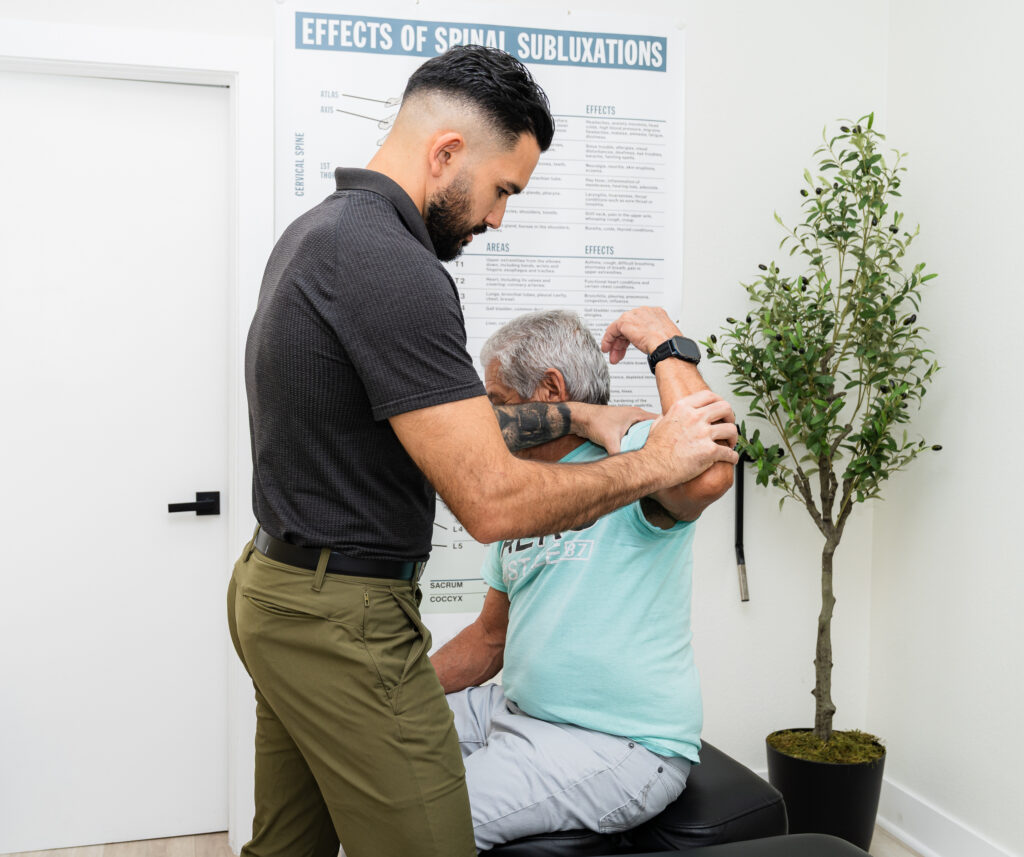

As a local chiropractor, I want to assure you that if you're experiencing back pain during your pregnancy, you're not alone, and it certainly doesn't have to be a constant struggle. There are effective, natural strategies that you can adopt to alleviate discomfort and support your body through this transformative time. By focusing on proper posture, utilizing supportive cushions, and engaging in safe, gentle exercises, you can significantly enhance your comfort.
Moreover, there are specific chiropractic techniques and insights that can make a tremendous difference in your daily well-being. My goal is to help you understand how chiropractic care can play a vital role in your prenatal health. Let's delve into some practical tips that could help you feel better and enjoy this special journey more fully.
Maintain Proper Posture
As a chiropractor, I want to emphasize the importance of maintaining proper posture, especially when it comes to alleviating prenatal back pain. During pregnancy, your body experiences significant changes that can shift your center of gravity and add strain to your back. By being conscious of your posture, you can help minimize discomfort and encourage better spinal alignment, which is crucial for both your health and that of your growing baby.
Start by standing tall, with your shoulders relaxed and pulled back. Visualize a string gently pulling you upward from the crown of your head. It's important to distribute your weight evenly on both feet and avoid locking your knees.
If you find yourself sitting, choose a chair that offers good lumbar support. Your feet should be flat on the floor, and your knees should form a right angle. Remember to keep your back straight and steer clear of slouching.
When it comes to bending down, it's best to use your legs rather than straining your back. Squat to lift objects instead of bending at the waist. This technique not only protects your lower back but also engages your leg muscles, which can help support your posture.
Additionally, consider your sleeping position. Sleeping on your side with a pillow between your legs can help maintain proper spinal alignment.
I encourage you to incorporate these posture tips into your daily routine, as they can foster lasting habits that benefit your overall wellbeing. Remember, your body is performing an incredible feat during pregnancy, and maintaining proper posture isn't just about comfort—it's about supporting your baby too.
Use Supportive Cushions
As a local chiropractor, I want to share how using supportive cushions can significantly improve your comfort during pregnancy. Many expectant mothers may not realize the impact that proper support can have on their bodies during this transformative time.
There are various types of cushions available, each designed to support different areas of your body, particularly your back, and alleviate pressure.
It's crucial to select the right cushions for your needs. When positioned correctly, these cushions can enhance your posture, which is vital for reducing discomfort and pain.
By integrating supportive cushions into your daily routine, you can promote better spinal alignment and overall well-being, making your pregnancy experience more enjoyable.
Types of Supportive Cushions
As a local chiropractor, I often see expectant mothers struggling with prenatal back pain due to the many physical changes their bodies go through during pregnancy. One effective way to alleviate this discomfort is through the use of supportive cushions, which can provide the necessary support to help maintain proper alignment and reduce strain on your back.
For example, a lumbar support cushion is specifically designed to support your lower back. By helping to maintain the natural curve of your spine, it can significantly decrease the pressure on your back muscles, providing relief where you need it most.
Additionally, a wedge cushion can be beneficial; it elevates your hips and can help alleviate strain on your back while seated, making it a great option for those longer periods of sitting.
If you're looking for something that offers comprehensive support, consider a full-body pillow. This type of cushion can support your back, belly, and legs, promoting better alignment whether you're sleeping or just relaxing.
Don't forget about seat cushions as well—they can make a big difference in enhancing comfort while sitting, especially during long periods, by providing extra support for your back.
Moreover, you might want to explore heating or cooling cushions. Heat therapy can be soothing for sore muscles, while cooling cushions may help reduce inflammation.
By considering these different types of supportive cushions, you can discover the best options for your needs and effectively ease your prenatal back pain.
Proper Cushion Placement Techniques
As a chiropractor, I often see patients struggling with prenatal back pain, and I want to share some effective techniques for proper cushion placement that can make a notable difference in your comfort and wellbeing.
First, when you're seated, consider placing a supportive cushion behind your lower back. This simple adjustment can help maintain the natural curve of your spine, providing crucial support where you need it most.
If you're relaxing on the couch or in bed, a wedge pillow can be invaluable for elevating your legs, which helps alleviate pressure on the lower back.
During sleep, it's important to align your body correctly. Placing a cushion between your knees can keep your hips in line, relieving tension in your lower back and promoting better circulation.
If you find yourself sitting for long periods, a seat cushion that contours to your body can help distribute your weight evenly, reducing discomfort significantly.
It's also essential to adjust your cushions according to your unique needs. If you're working at a desk, ensure that both your chair and cushion support a comfortable posture.
Don't be afraid to try different placements until you find what works best for you.
Remember, proper cushion placement not only alleviates discomfort but also encourages better posture, making your prenatal journey smoother and more enjoyable.
If you have any questions or need further assistance, feel free to reach out—I'm here to help you embrace a natural approach to healing and wellness.
Practice Gentle Stretching
As a local chiropractor, I want to emphasize the importance of gentle stretching for relieving prenatal back pain. During pregnancy, your body undergoes significant changes, and as a result, your muscles and ligaments may become tight, leading to discomfort. Incorporating gentle stretches into your daily routine can be an effective way to alleviate tension and enhance flexibility, ultimately helping you feel more at ease.
Here are four stretches that I often recommend to my patients:
- Cat-Cow Stretch: Begin on all fours, ensuring your wrists are directly under your shoulders and your knees are beneath your hips. Inhale deeply as you arch your back, lifting your head and tailbone toward the ceiling (this is the Cow position). Then, exhale as you round your back, tucking your chin and pelvis in (the Cat position). Aim to cycle through this stretch for 5-10 repetitions to promote spinal flexibility and relieve tension.
- Child's Pose: Kneel comfortably on the floor and gently sit back on your heels. Extend your arms forward and lower your forehead to the ground. This position is excellent for releasing tension in the lower back. Hold this stretch for 30 seconds to a minute, allowing your body to relax and breathe deeply.
- Seated Forward Bend: Sit with your legs extended straight in front of you. Inhale and raise your arms overhead, then exhale as you gently bend forward from your hips. This stretch is beneficial for both your lower back and hamstrings. Hold this position for 15-30 seconds, feeling the stretch as you breathe.
- Side Stretch: Stand with your feet hip-width apart. Raise your right arm overhead and lean to the left side, feeling a pleasant stretch along your right side. Hold this position for 15-30 seconds before switching to the other side, promoting lateral flexibility and easing tension in the torso.
By incorporating these gentle stretches into your routine, you can support your body's natural healing processes and find relief from discomfort during pregnancy.
If you have any questions or would like to learn more about how chiropractic care can further support your well-being, feel free to reach out!
Engage in Safe Exercise
As a local chiropractor, I want to emphasize the importance of safe exercise during pregnancy, especially when it comes to managing back pain.
Incorporating recommended prenatal exercises and gentle stretching techniques can significantly alleviate discomfort and promote overall well-being.
It's crucial to listen to your body and avoid high-impact activities that may place unnecessary strain on your muscles and joints.
By engaging in safe, supportive movements, you can nurture both your health and your baby's during this special time.
If you have any questions about specific exercises or how chiropractic care can assist you throughout your pregnancy, feel free to reach out for guidance.
Recommended Prenatal Exercises
As a local chiropractor, I want to emphasize the importance of incorporating safe exercises into your prenatal routine.
These activities can significantly help alleviate back pain and enhance your overall well-being during pregnancy. Gentle movements not only strengthen your muscles but also improve flexibility, which can lead to relief from discomfort.
Here are four effective prenatal exercises I often recommend to my patients:
- Pelvic Tilts: Begin by positioning yourself on all fours. Gently arch your back, then tuck your pelvis under. This simple motion can relieve pressure in your lower back, which is essential for maintaining comfort.
- Cat-Cow Stretch: While on all fours, alternate between arching your back like a cat and dropping your belly like a cow. This dynamic stretch increases spinal flexibility and helps ease tension throughout your back.
- Side-Lying Leg Lifts: Lie on your side with your legs straight. Slowly lift your top leg, hold it for a moment, and then lower it. This exercise strengthens your hip muscles, which can add stability and support to your body as it changes during pregnancy.
- Wall Sits: Stand with your back against a wall and slide down into a sitting position. Hold this position for 10-20 seconds. This exercise strengthens your leg muscles and supports your back, which can be particularly beneficial during pregnancy.
Remember, it's always best to consult with your healthcare provider before starting any new exercise routine.
They can help ensure that the exercises you choose are safe for both you and your baby. Embracing natural healing methods like these can play a pivotal role in your prenatal care journey.
Stretching Techniques for Relief
As a local chiropractor, I want to emphasize that while exercises are beneficial during pregnancy, incorporating effective stretching techniques can significantly enhance your comfort and help alleviate back pain. Stretching plays a crucial role in maintaining flexibility, reducing muscle tension, and promoting overall relaxation.
One of the first stretches I recommend is the cat-cow pose. Begin by positioning yourself on your hands and knees. Arch your back upwards towards the ceiling, then gently dip it downwards while lifting your head. This movement is excellent for relieving tension in your back and improving spinal mobility.
Another beneficial stretch is the seated forward bend. Sit with your legs extended in front of you, and slowly lean forward at the hips, reaching for your toes. This stretch not only helps lengthen your spine but can also ease discomfort caused by tightness in the lower back.
The child's pose is another effective stretch that can provide relief. Start by kneeling on the floor, sit back on your heels, and extend your arms forward while lowering your chest towards the ground. Hold each of these stretches for 15-30 seconds while breathing deeply, which can enhance relaxation and promote a sense of well-being.
It's important to always listen to your body and avoid pushing yourself beyond your comfort level. By integrating these stretching techniques with your regular exercise routine, you can better manage prenatal back pain and support your overall health throughout your pregnancy.
Avoiding High-Impact Activities
As a local chiropractor, I want to emphasize the importance of avoiding high-impact activities during pregnancy.
It's crucial to protect both your body and your developing baby. High-impact exercises can lead to increased back pain and a greater risk of injury, which isn't ideal during this delicate time.
Instead, I encourage you to consider safe alternatives that promote strength and flexibility without adding unnecessary strain.
Here are four low-impact exercise options that I recommend:
- Walking: This gentle activity supports cardiovascular health and helps strengthen your legs, all while being easy on your joints.
- Swimming: The buoyancy of water alleviates stress on your joints and back, making it an excellent choice for a full-body workout that feels great.
- Prenatal Yoga: This practice enhances flexibility and relaxation, while also teaching breathing techniques that can be incredibly helpful during labor.
- Stationary Cycling: Using a stationary bike is a fantastic way to stay active without the risks associated with falling or jarring movements.
These activities not only promote physical well-being but can also contribute positively to your overall pregnancy experience.
Consider Prenatal Massage
As a local chiropractor, I want to emphasize the importance of taking care of your body during pregnancy, especially when it comes to managing discomfort like back pain. One effective way to alleviate this pain is through prenatal massage, which is a gentle yet powerful treatment designed specifically for expectant mothers. This soothing therapy not only targets tension in your back but also encourages relaxation and enhances circulation, which are crucial during this transformative time.
Pregnancy brings about numerous changes in your body, leading to muscle strain and discomfort. It's essential to seek out a skilled prenatal massage therapist who understands these changes and can customize the massage to suit your individual needs. Before booking an appointment, ensure that your therapist is certified in prenatal massage, as they'll be knowledgeable about the safest techniques to prioritize your comfort and well-being.
During the session, you'll typically lie on your side, supported by cushions, which allows for a relaxing experience while avoiding any pressure on your abdomen.
The advantages of prenatal massage go beyond just easing back pain. This treatment can also help reduce anxiety, enhance sleep quality, and alleviate swelling. Many women find that regular massages throughout their pregnancy help them connect with their bodies and their growing babies on a deeper level.
Before diving into prenatal massage, it's advisable to discuss your plans with your healthcare provider, especially if you have any complications or concerns. They can provide valuable insights and recommendations tailored to your situation.
Always listen to your body. If you're feeling particularly tense or sore, a prenatal massage could be just what you need to feel better.
Wear Supportive Footwear
As a local chiropractor, I want to emphasize the importance of choosing supportive footwear, especially for those experiencing back pain during pregnancy. The changes your body undergoes during this time can place additional stress on your spine and joints, so wearing the right shoes can make a significant difference in your comfort level.
Here are some essential features to consider when selecting your footwear:
- Arch Support: It's crucial to find shoes that provide adequate arch support. This feature helps to evenly distribute your weight and can significantly reduce the strain on your back. If you require extra support, custom orthotics can be a fantastic option tailored to your needs.
- Cushioning: Look for shoes with cushioned insoles. The right cushioning absorbs shock and lessens the impact on your joints, which is particularly beneficial for alleviating pressure on your lower back as you move throughout your day.
- Wide Toe Box: A wide toe box is essential to prevent cramping and discomfort. During pregnancy, your feet may swell, so having enough room for your toes can enhance your overall comfort and help maintain proper foot alignment.
- Low Heels: Steering clear of high heels is vital, as they can disrupt your balance and increase the risk of falls. Instead, opt for shoes with low or flat heels, which promote stability and comfort, allowing you to navigate your daily activities with more ease.
By prioritizing supportive footwear, you're taking a proactive step towards managing back pain and supporting your overall health during pregnancy.
If you have further questions about how footwear impacts your spine or how chiropractic care can assist, feel free to reach out!
Apply Heat or Cold Therapy
As a local chiropractor, I want to share some valuable insights on managing back pain during pregnancy. While choosing supportive footwear is essential for your overall comfort, incorporating heat or cold therapy into your daily routine can significantly enhance your relief. Understanding how to use these therapies effectively can make a world of difference.
Heat therapy is a fantastic option for easing tense muscles and boosting blood circulation. You might consider using a heating pad, a warm towel, or even enjoying a soothing warm bath. Just remember to keep the heat at a comfortable level—enough to relax, but not so hot that it causes discomfort or burns.
I recommend applying heat for about 15 to 20 minutes at a time, especially in the evening as you wind down after a long day. Many patients find this method particularly soothing and effective in reducing muscle tension and pain.
On the other hand, cold therapy is incredibly beneficial for addressing inflammation and numbing sharp discomfort. You can easily use a cold pack or even a bag of frozen vegetables wrapped in a thin cloth.
Apply it to the affected area for about 10 to 15 minutes, and you should start noticing a decrease in swelling and discomfort. This technique is especially helpful after a busy day or if you've been on your feet for an extended period.
It's crucial to listen to your body throughout this process. If you find that one method works better for you than the other, feel free to stick with it.
Conclusion
As a local chiropractor dedicated to helping expectant mothers navigate the challenges of pregnancy, I want to share seven effective strategies for managing and alleviating prenatal back pain. First and foremost, maintaining proper posture is crucial; it can significantly reduce strain on your back. Using supportive cushions while sitting can also provide much-needed relief.
Incorporating gentle stretching into your daily routine can enhance flexibility and comfort. I encourage you to prioritize safe exercises, as they can strengthen your body and support your growing baby. Additionally, prenatal massage can be an excellent option for relaxation and pain relief.
Don't overlook the importance of wearing supportive footwear, as this can help stabilize your posture and reduce discomfort. Finally, applying heat or cold therapy can be beneficial in soothing any aches you may experience.
Always listen to your body and be willing to adjust your routines as necessary. By embracing these natural healing methods, you can ensure a more comfortable and enjoyable pregnancy experience. If you're interested in learning more about how chiropractic care can support you during this special time, I'm here to help!