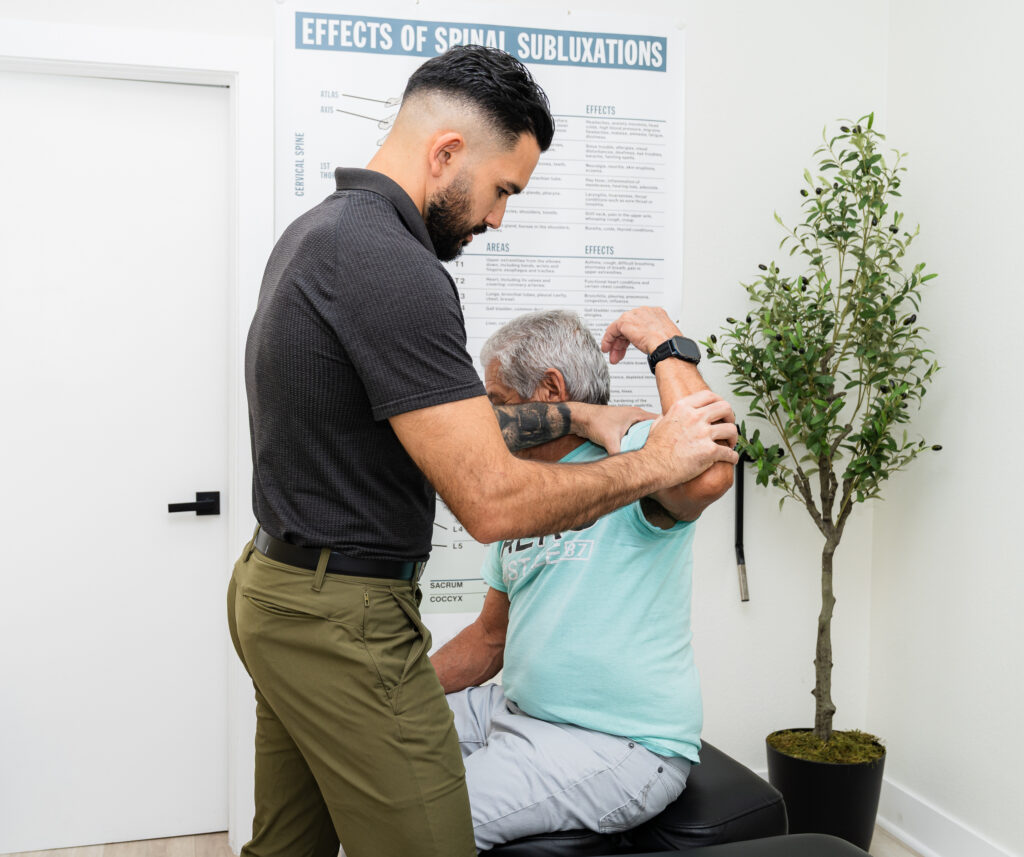

As your local chiropractor, I want to share that chiropractic care is often viewed merely as a method for alleviating pain, but it's so much more than that. By integrating preventative techniques into your daily routine, you can greatly enhance your overall wellness and promote a healthy spine. Techniques such as regular spinal adjustments and strategies for improving posture can significantly support your body's natural healing abilities.
But there's more to it—understanding how these techniques contribute to your long-term health can truly transform your daily life. If you're curious about these practices and how they can benefit you, let's explore them together. Your journey to lasting wellness starts here!
Regular Spinal Adjustments
As your local chiropractor, I want to emphasize the vital role that regular spinal adjustments play in your overall health. These adjustments are designed to align your spine, which significantly impacts how your nervous system operates. When your spine is properly aligned, it allows signals to flow freely between your brain and body, enhancing your well-being.
Many people don't realize the importance of spinal health until they start experiencing discomfort or limitations in their mobility. That's why I encourage you to visit a chiropractor regularly. By addressing misalignments early on, we can help prevent issues from developing, reducing the risk of chronic pain or other health concerns.
Spinal adjustments can also enhance your body's natural ability to heal itself, leaving you feeling more energized and vibrant. Incorporating spinal adjustments into your routine doesn't just alleviate pain; it also boosts your overall vitality. Many of my patients notice improvements in their posture, flexibility, and even mood after receiving care. Each adjustment is tailored to meet your specific needs, ensuring you gain the maximum benefit from our sessions together.
Moreover, regular spinal adjustments can give your immune system a boost, which means you may experience fewer sick days and enjoy a better quality of life. This proactive approach to health can yield significant benefits over time.
If you haven't yet scheduled an appointment, I encourage you to consider regular visits to my practice. Remember, taking care of your spine is an important aspect of taking care of your health. By making these adjustments a part of your wellness journey, you're likely to discover a happier, healthier version of yourself.
Posture Improvement Strategies
As a local chiropractor, I want to share some valuable insights on improving your posture, which is essential for your overall health and well-being.
One of the first steps you can take is to create an ergonomic workspace. This means arranging your desk, chair, and computer in a way that supports your body's natural alignment, reducing strain on your muscles and joints.
In addition to setting up a supportive workspace, incorporating daily stretching exercises into your routine can significantly benefit your posture. These exercises help maintain flexibility, alleviate tension, and promote better alignment over time.
By understanding and implementing these strategies, you can enhance your posture and support your body's natural healing processes.
Ergonomic Workspace Setup
Creating an ergonomic workspace is crucial for maintaining good posture and preventing discomfort, especially if you find yourself working long hours. As a chiropractor, I often see the impact of poor workspace setups on my patients' spinal health.
Let's take a closer look at how you can optimize your work environment for better well-being.
First, it's vital that your chair provides support for your lower back. When seated, your feet should rest flat on the floor, and your knees should form a 90-degree angle. If you notice that your chair isn't offering enough support, consider using a lumbar roll or cushion to help keep your spine in a healthy position.
Next, let's talk about your desk height. It should be adjusted so that your elbows are also at a 90-degree angle while you type. Your wrists should remain in a neutral position—this means they shouldn't be bent up or down. If you're working on a laptop, I recommend elevating it with a stand and using an external keyboard and mouse. This promotes a healthier hand position and can significantly reduce strain on your wrists.
Your monitor's position is just as important. It should be at eye level and about an arm's length away from you. This alignment helps prevent neck strain and encourages you to maintain a straight back. Ideally, the top of your screen should align with your eyes, so you won't have to tilt your head to see it clearly.
Lastly, keep the items you use frequently within easy reach. This will help you avoid unnecessary stretching or twisting, which can lead to soreness or injury.
By implementing these ergonomic strategies, you'll create a workspace that supports your posture and enhances your overall well-being—a key component of natural healing and chiropractic care.
Daily Stretching Exercises
As a local chiropractor, I want to emphasize the importance of incorporating daily stretching exercises into your routine for improving your posture and enhancing your spinal health. Many people are unaware that dedicating just a few minutes each day to stretching can significantly counteract the detrimental effects of prolonged sitting, which is common in our modern lifestyles, and help increase your flexibility.
I recommend starting with simple stretches such as neck rolls and shoulder shrugs. These movements can help relieve tension in your upper body, which is often a source of discomfort. As you become more comfortable, you can progress to spinal twists and cat-cow stretches, both of which are fantastic for promoting spinal mobility.
It's crucial to hold each stretch for at least 15-30 seconds while focusing on your breathing. This not only maximizes the effectiveness of the stretches but also helps to relax your body and mind.
Don't overlook your hips and legs! Stretches like the hamstring stretch and hip flexor stretch are essential for alleviating tightness that can adversely affect your posture. I recommend integrating these stretches in the morning or during breaks throughout your day; they can serve as a rejuvenating reset for your body.
Remember, consistency is vital for seeing benefits. I suggest setting reminders on your phone or making stretching a part of your daily routine—perhaps during a coffee break or while relaxing at home. Over time, you'll likely notice improvements in your posture, a reduction in stiffness, and a boost in your overall well-being.
Prioritizing these daily stretching exercises not only supports your spine but also encourages a healthier, more active lifestyle. As your chiropractor, I'm here to help you understand the benefits of natural healing and how simple practices like stretching can greatly enhance your quality of life.
Stretching and Flexibility Exercises
As your local chiropractor, I want to emphasize the importance of incorporating stretching and flexibility exercises into your daily routine.
These practices do more than just improve your range of motion; they play a crucial role in promoting your overall body health. By regularly engaging in these exercises, you can help prevent injuries and alleviate muscle tension, which makes everyday activities much more manageable.
A consistent flexibility routine not only supports your musculoskeletal system but can also enhance your posture and reduce stress.
I encourage all my patients to consider how a commitment to stretching can positively impact their long-term health and well-being.
Let's work together to improve your flexibility and enjoy the benefits it brings to your life!
Importance of Stretching
As a local chiropractor, I want to emphasize the importance of stretching for maintaining flexibility and preventing injuries in your everyday life. Many people are unaware that incorporating stretching into your daily routine can significantly enhance your overall well-being.
When you stretch, you promote better blood circulation, which is crucial for delivering oxygen and nutrients to your muscles. This improved circulation can help you recover more quickly after workouts or even after long periods of sitting.
Stretching also plays a vital role in increasing your range of motion, making it easier for you to perform daily tasks efficiently. It helps reduce muscle tension, which can alleviate discomfort and fatigue. If you've ever experienced stiffness after sitting for a while, you can appreciate how essential it's to keep your muscles limber.
Taking just a few minutes each day to stretch is an investment in your health. You don't need to dedicate hours; even short, consistent sessions can provide significant benefits. I recommend focusing on major muscle groups, especially those that feel tight or overworked, and holding each stretch for about 15-30 seconds.
Incorporating stretching into your routine not only enhances your physical performance but also contributes to a better quality of life. So, I encourage you to make stretching a habit—your body will be grateful!
If you have questions about how stretching can fit into your chiropractic care or how to do it safely, please feel free to reach out.
Flexibility Routine Benefits
As a local chiropractor, I want to share with you the incredible benefits of a well-structured flexibility routine for both your body and mind. By incorporating stretching exercises into your daily life, you'll enhance your range of motion, making everyday activities not only easier but also more enjoyable. This increased mobility is crucial in helping to prevent injuries, particularly during physical activities or sports.
Flexibility routines play a significant role in promoting better posture. When your muscles are flexible, they can support your spine more effectively, which reduces the risk of discomfort and pain. Many of my patients find that regular stretching alleviates tension in their back, neck, and shoulders, leading to an overall feeling of relaxation.
Moreover, engaging in flexibility exercises can significantly improve blood circulation. This enhanced circulation nourishes your muscles and aids in faster recovery after workouts. As a result, you may experience increased energy levels throughout the day, helping you feel more vibrant and active.
It's also important to recognize the mental benefits of stretching. Many people don't realize that stretching can serve as a form of mindfulness, allowing you to concentrate on your body and breath. This practice can help reduce stress and anxiety, leading to improved focus and productivity in your daily tasks.
I encourage you to incorporate a flexibility routine into your lifestyle. By doing so, you'll not only enhance your physical health but also enjoy the mental rewards that come alongside it.
As a chiropractor, I'm here to guide you on this journey to better health and wellness through natural healing practices.
Nutritional Guidance and Support
As a local chiropractor, I want to emphasize the crucial role that proper nutrition plays in supporting your overall health and enhancing the benefits of chiropractic care. When you nourish your body with the right foods, you create an environment that promotes healing, boosts your immune system, and helps you function at your best.
It's important to incorporate a balanced diet rich in whole foods, such as fresh fruits, vibrant vegetables, lean proteins, and healthy fats. These foods are vital for your body's vitality and can significantly impact your wellness journey.
I encourage you to focus on consuming nutrient-dense foods that are packed with essential vitamins and minerals. For example, leafy greens, berries, and nuts are excellent sources of antioxidants that can help reduce inflammation and support your recovery process.
Additionally, staying well-hydrated is key; drinking enough water aids in joint lubrication and supports all your bodily functions.
Think about how your eating habits influence your energy levels and mood. Processed foods and excessive sugars might lead to energy crashes and irritability, while whole foods can help keep you energized and focused throughout the day.
It's also beneficial to be mindful of your portion sizes and meal timing, as these factors can affect your digestion and metabolism.
Lastly, consider the potential benefits of supplements. Depending on your individual health needs, vitamins D and C, as well as omega-3 fatty acids, can be advantageous.
I recommend consulting with a healthcare professional or a nutritionist to create a tailored nutrition plan that aligns with your chiropractic goals and overall wellness.
Stress Management Techniques
As your local chiropractor, I want to emphasize how vital it's to manage stress effectively for your overall health and for the success of your chiropractic adjustments. One of the most impactful techniques I encourage my patients to explore is mindfulness meditation. Just dedicating a few minutes each day to focus on your breath and stay present can significantly lower your stress levels.
Consider carving out time in the morning or evening to practice this calming technique.
In addition to mindfulness, incorporating physical activity into your routine is another excellent strategy. Regular exercise not only releases endorphins—our body's natural stress relievers—but also enhances your physical health.
I recommend aiming for at least 30 minutes of moderate exercise most days of the week. Whether it's taking a brisk walk, practicing yoga, or even dancing, choose an activity that brings you joy and make it a staple in your life.
Don't overlook the power of deep breathing exercises, either. When stress starts to creep in, take a moment to pause and breathe deeply. Inhale slowly through your nose, hold for a few seconds, then exhale gently through your mouth.
This simple practice can help calm your nervous system and bring your focus back to where it needs to be.
Lastly, I can't stress enough the importance of quality sleep. Rest is crucial for managing stress and ensuring that your body functions at its best.
Establishing a relaxing bedtime routine and aiming for 7 to 9 hours of sleep each night can make a world of difference.
By integrating these stress management techniques into your daily life, you'll not only enhance the benefits of your chiropractic care but also support your overall well-being.
Ergonomic Assessments
As a local chiropractor, I want to emphasize the importance of regular ergonomic assessments in maintaining your overall health and well-being. Many people are unaware that the way we set up our workspaces can significantly impact our physical health, particularly if we spend long hours at a desk.
By evaluating your environment and making essential adjustments, you can reduce the risk of injuries and enhance your productivity.
Here are some key areas to focus on during an ergonomic assessment:
- Chair Height: It's crucial to have a chair that supports your lower back properly. Make sure your feet can rest flat on the floor or on a footrest to maintain good posture.
- Desk Setup: Position your monitor at eye level to help prevent neck strain. Your keyboard and mouse should be placed so that your arms remain close to your body, reducing strain on your shoulders and wrists.
- Lighting: Proper lighting is essential to reduce eye strain and help you stay focused without causing fatigue. Make sure your workspace is well-lit to support your vision.
- Posture: Regularly check your posture. Aim to sit up straight with your shoulders relaxed and your elbows at a 90-degree angle. Good posture is vital for maintaining spinal health and preventing discomfort.
- Breaks: Don't forget to schedule short breaks throughout your day. Taking time to stretch and move around can help combat stiffness and improve circulation, which is key for your overall health.
By being mindful of these elements in your workspace, you can create an environment that promotes comfort and efficiency, ultimately supporting your natural healing journey.
If you have any questions or need further guidance, feel free to reach out to me for personalized advice!
Exercise and Movement Recommendations
As your local chiropractor, I want to emphasize the importance of incorporating exercise and movement into your daily routine to maintain optimal health and prevent injuries. Regular physical activity is essential for enhancing your flexibility, strength, and overall well-being. By staying active, you can help prevent the discomfort that often leads to chiropractic issues.
To get started, I recommend setting achievable fitness goals that align with your lifestyle. Aim for at least 150 minutes of moderate aerobic activity each week. Activities like brisk walking, cycling, or swimming not only boost your cardiovascular health but also improve circulation, which is vital for recovery and overall health.
In addition to aerobic exercises, it's crucial to include strength training at least twice a week. This can involve using resistance bands, weights, or engaging in body-weight exercises like push-ups and squats. Strengthening your muscles supports your spine and joints, providing better stability and reducing the risk of injury.
Don't overlook the benefits of mobility exercises, such as yoga or Pilates. These practices are key in maintaining flexibility and balance, while also relieving tension in your muscles and joints. Make sure to incorporate stretching into your routine, particularly before and after your workouts, to enhance your flexibility and prevent muscle strains.
Lastly, it's important to listen to your body. If you experience pain or discomfort during any activity, please stop and reassess. If you're unsure about the right exercises for your specific needs, don't hesitate to consult me or another fitness professional.
Conclusion
As your local chiropractor, I want to share with you some valuable insights on how to enhance your overall wellness through preventative chiropractic techniques. By incorporating these seven strategies into your daily routine, you can significantly improve your health and well-being.
First and foremost, regular spinal adjustments are crucial. They help keep your spine aligned, which is fundamental for a healthy nervous system. Alongside adjustments, focusing on posture improvement can make a big difference. Many of us spend long hours sitting, so being mindful of our posture can alleviate strain on our bodies.
Daily stretching is another essential practice. It helps maintain flexibility and prevents injuries, allowing you to feel more vibrant and active. Nutrition also plays a vital role in your health. A balanced diet fuels your body and supports your chiropractic care.
Stress management is equally important. Chronic stress can lead to tension in your muscles and spine, so finding effective ways to relax is key. Additionally, evaluating your workspace ergonomically can help you avoid discomfort and promote better posture throughout your day.
Lastly, committing to regular exercise not only boosts your physical health but also enhances your mental well-being. By adopting these techniques, you can create a balanced lifestyle that promotes lasting wellness. Start implementing these practices today, and you'll likely notice a positive shift in your everyday life! If you have any questions or need guidance, feel free to reach out—I'm here to help!