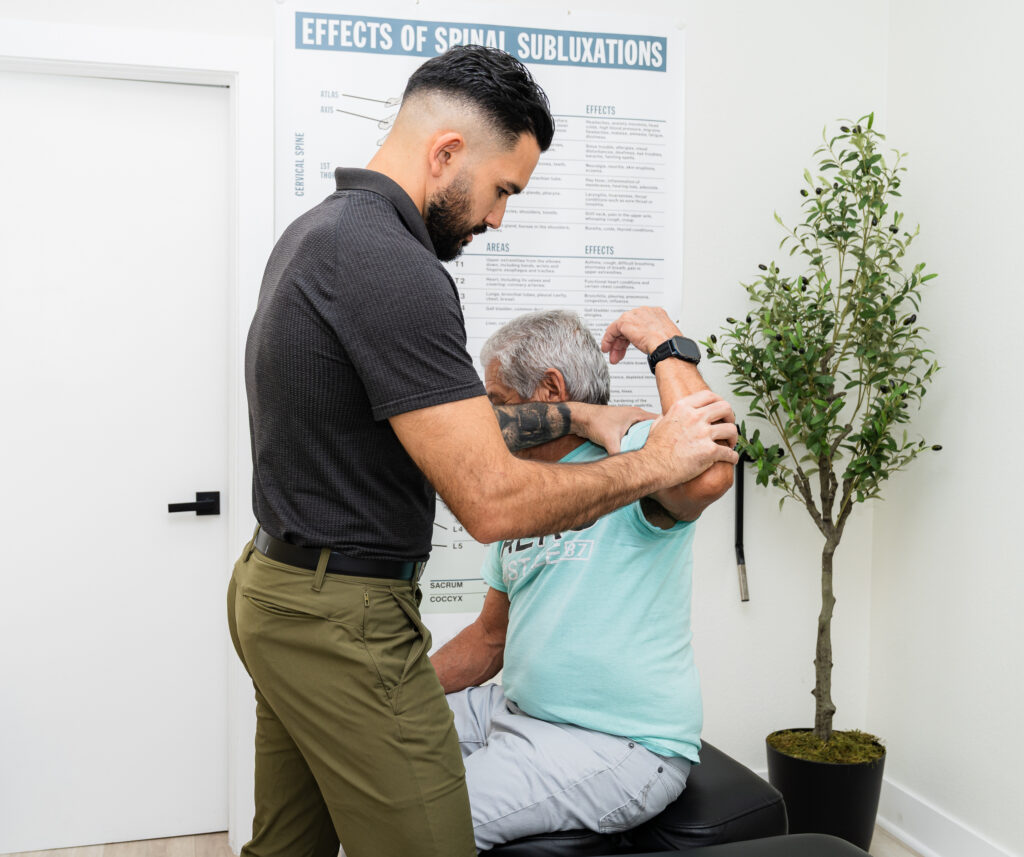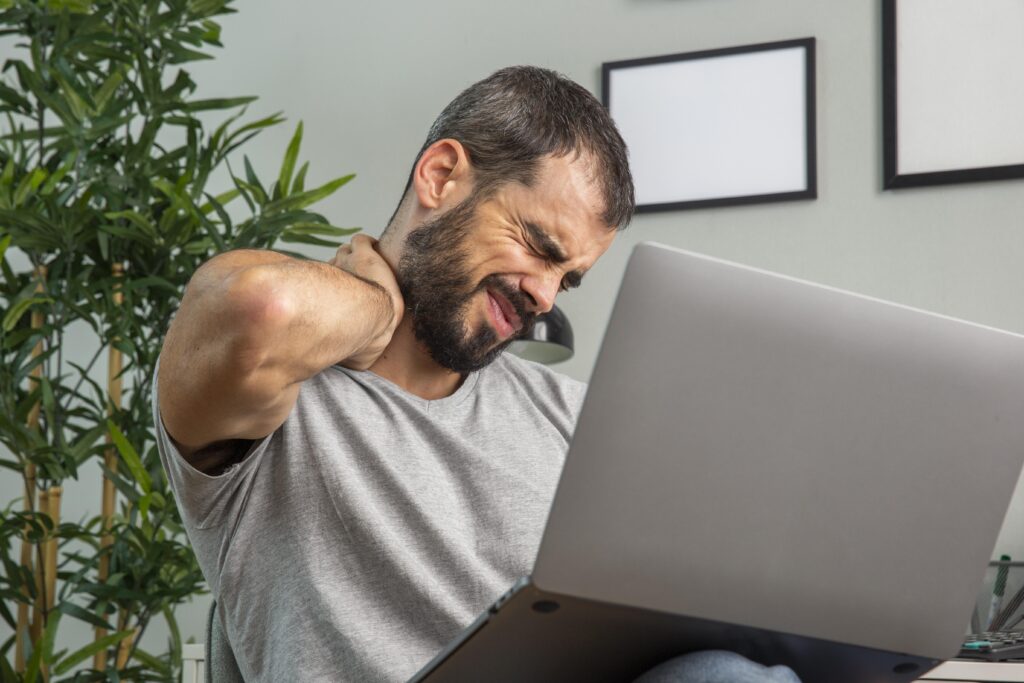

As a local chiropractor, I want to share with you some effective adjustments you can make in your daily habits to alleviate back pain. Many patients find that simple changes can lead to significant relief. For example, improving your posture while sitting and standing can greatly reduce strain on your spine. Additionally, creating an ergonomic workspace tailored to your needs can help prevent discomfort throughout the day.
Incorporating regular stretching into your routine is another powerful way to ease tension in your back. Alongside this, wearing the right footwear can also support your spine and improve your overall posture. But these adjustments are just the starting point. There are numerous other strategies we can explore together to enhance your well-being and manage your back pain effectively.
If you're interested in learning more about how chiropractic care and natural healing can benefit you, I'm here to guide you on your journey to a pain-free life.
Improve Your Posture
As a local chiropractor, I want to share with you one of the simplest yet most effective strategies for alleviating back pain: improving your posture. When you maintain proper alignment while sitting or standing, you can distribute your body weight more evenly, which significantly reduces strain on your spine and surrounding muscles.
Throughout your day, I encourage you to be mindful of your body position. Are you slouching at your desk, or leaning forward while using your phone? Even minor adjustments can lead to substantial improvements in your comfort and health.
When sitting, aim to keep your feet flat on the ground, with your knees forming a right angle. It's important that your back remains straight, and your shoulders should be relaxed—not slumped. You might consider using an ergonomic chair that provides support for your lower back; if that's not an option, a cushion can also help.
When standing, remember to distribute your weight evenly on both feet, and avoid locking your knees. Engaging your core muscles can also assist in maintaining your balance and providing support for your spine.
In addition to posture, strengthening your core is essential. Incorporate exercises such as planks, bridges, and various abdominal workouts into your routine. A strong core not only supports your back but also promotes better posture overall.
If you find yourself working for long stretches, be sure to take frequent breaks. Stand up, stretch, and walk around to relieve tension.
Lastly, cultivating awareness is key. Setting reminders on your phone or placing sticky notes around your workspace can help you remember to check your posture throughout the day.
Over time, these adjustments will become second nature, leading to a healthier back and reduced pain. Trust me, you'll feel the difference! As a chiropractor, I'm here to support you on your journey to better posture and overall wellness.
Ergonomic Workspace Setup
As a local chiropractor, I often emphasize the importance of creating an ergonomic workspace to support your overall health and well-being. Many people mightn't realize that the way you set up your work environment can have a significant impact on your posture, back health, and productivity.
To begin with, selecting a chair that provides proper support for your lower back is crucial. Your chair should enable you to sit comfortably with your feet flat on the ground and your knees bent at a 90-degree angle. If your chair isn't offering adequate support, I recommend using a lumbar roll or cushion to help maintain the natural curve of your spine.
Next, let's talk about your desk height. Ideally, when you're typing, your elbows should be at a 90-degree angle, and your wrists should remain in a neutral position. If you primarily use a laptop, consider investing in a stand that elevates the screen to your eye level, which is essential for preventing that forward hunch that can lead to discomfort and pain over time.
Your monitor should be positioned about an arm's length away, with the top of the screen at or slightly below eye level. This positioning helps you keep your neck in a natural alignment, reducing strain. Additionally, it's important to place your keyboard and mouse close enough so that you don't have to reach excessively, which can put stress on your shoulders and back.
Lastly, ensure that frequently used items are easily accessible to avoid twisting or stretching your body awkwardly. By implementing these ergonomic principles in your workspace, you aren't only prioritizing your comfort but also taking proactive steps toward better spinal health and overall wellness.
As your chiropractor, I encourage you to invest time in your workspace setup — your back will thank you in the long run!
Regular Stretching Exercises
As a local chiropractor, I want to share how incorporating regular stretching exercises into your daily routine can significantly alleviate back pain and enhance your overall flexibility. Stretching plays a crucial role in targeting the muscles surrounding your spine, promoting relaxation, and reducing tension. When you stretch, you also enhance blood flow to these muscles, which aids in recovery and reduces stiffness.
I recommend starting with some simple stretches that focus on your lower back, hamstrings, and hip flexors. For instance, the cat-cow stretch is a fantastic way to mobilize your spine. Begin by getting on your hands and knees; as you inhale, arch your back, and as you exhale, round it. This movement helps relieve tension in the back effectively.
Another excellent stretch is the seated forward bend. While sitting, reach for your toes while keeping your back straight. Hold this position for about 15 to 30 seconds to feel a gentle pull in your lower back and hamstrings.
Consistency is vital in your stretching routine. I encourage you to aim for at least 10 minutes of stretching every day. It's most beneficial to stretch after warming up your muscles, so consider doing it following a light walk or some dynamic movements.
Always listen to your body—never push yourself to the point of pain. Instead, ease into each stretch and hold it at a level that feels comfortable for you.
In addition to alleviating back pain, regular stretching can improve your posture and increase your range of motion. By integrating these exercises into your daily routine, you'll not only experience relief from discomfort but also enhance your overall well-being.
Proper Footwear Choices
As a local Chiropractor, I want to emphasize the importance of choosing the right footwear for your overall spinal health.
Many people may not realize that the shoes you wear can significantly impact your back pain. It's essential to consider features such as arch support, heel height, and the flexibility of materials.
Proper footwear can provide the comfort and stability your body needs, helping to maintain a healthy spine and reduce discomfort.
Arch Support Importance
As a local chiropractor, I want to share the importance of arch support in your footwear and how it can significantly impact your overall health, particularly in reducing back pain.
Many people may not realize that proper arch support plays a crucial role in maintaining the natural alignment of your feet, which in turn affects your spine and entire body. When your arches are well-supported, your weight is distributed evenly, alleviating strain on your lower back.
When selecting shoes, I encourage you to look for options with built-in arch support, such as those featuring contoured footbeds that cradle your arches. If you struggle to find shoes that offer adequate support, consider using arch supports or orthotic insoles. These can easily be inserted into your existing footwear, providing the necessary support your feet require.
Be mindful of shoes with flat soles or insufficient cushioning, as they can worsen back pain. Instead, choose footwear that strikes a balance between comfort and support.
Remember, your feet serve as the foundation of your body, and providing them with the proper support can lead to improved posture and a reduction in pain.
Incorporating arch support into your daily footwear choices is a straightforward yet effective approach to alleviating back pain. Prioritizing your foot health can yield positive changes throughout your body, and I'm here to help guide you on your journey to wellness.
Heel Height Considerations
As a local chiropractor, I want to emphasize the importance of heel height in maintaining your foot and back health. The shoes you wear can significantly impact your posture and overall well-being.
While high heels may be fashionable, they can lead to discomfort and spinal misalignment. Choosing the right heel height is crucial for better balance and support throughout your day.
Here are some key points to consider when selecting shoes:
- Opt for heels under 2 inches: Lower heels help distribute your weight more evenly, which can alleviate strain on your back and improve your posture.
- Consider wedges: Wedge styles provide better stability and a slight elevation without sacrificing comfort, making them a great alternative to traditional heels.
- Look for arch support: Shoes with proper arch support can enhance your foot alignment and reduce tension on your back, promoting better overall health.
- Assess your daily activities: Think about your schedule when choosing heel height. If you know you'll be on your feet for extended periods, it's wise to opt for flats or low heels to keep your body comfortable.
By being mindful of your footwear choices, you can take proactive steps toward better spinal health and overall comfort.
If you have any questions about how your shoes affect your body or would like personalized advice, feel free to reach out during your next visit!
Material Flexibility Benefits
As a local chiropractor, I want to emphasize how important it's to consider material flexibility when choosing your footwear. It's not just about heel height; the materials your shoes are made from can significantly impact your comfort and overall foot health.
Shoes crafted from flexible materials are better at adapting to your foot's natural movements, which helps maintain proper alignment. This is crucial in reducing strain not only on your feet but also on your back and joints.
When selecting shoes, look for those made from soft leather, breathable mesh, or cushioned fabrics. These materials provide the necessary support while allowing your feet to breathe and move naturally.
On the other hand, overly rigid footwear can lead to discomfort, restrict your mobility, and increase the risk of developing pain in your back and hips.
Don't forget to pay attention to the sole of the shoe as well. A flexible sole is essential for promoting a natural walking gait, enabling your foot to roll and push off efficiently.
This flexibility helps absorb shock as you walk or stand, which further minimizes the impact on your back. By choosing the right footwear, you can support your body's natural alignment and contribute to your overall health and well-being.
Weight Management Strategies
As a local chiropractor, I want to share with you the importance of managing your weight not just for your overall health, but specifically for alleviating back pain.
Carrying extra weight can place excessive pressure on your spine and the muscles that support it, which may lead to discomfort and even injury. By implementing effective weight management strategies, you can help ease this strain and foster a healthier back.
Here are some practical strategies I encourage my patients to consider:
– Balanced Diet: Emphasize whole foods in your meals, such as fresh fruits, vegetables, lean proteins, and whole grains.
Steer clear of processed foods and sugary drinks that can lead to weight gain and inflammation.
– Regular Exercise: Engage in physical activities that focus on strengthening your core and back muscles, such as swimming, walking, or practicing yoga.
Aim for at least 150 minutes of moderate aerobic exercise every week to support your spine and overall well-being.
– Portion Control: Pay attention to portion sizes during meals.
Eating smaller, more frequent meals can help you manage hunger levels and prevent the urge to overeat, which can contribute to weight gain.
– Stay Hydrated: Make it a habit to drink plenty of water throughout the day.
Staying hydrated can help curb your appetite and promote better health. Remember, sometimes our bodies confuse thirst with hunger, leading to unnecessary snacking.
By adopting these strategies, you'll not only support your weight management goals but also contribute to a healthier spine and overall wellness.
If you have any questions or need further guidance, feel free to reach out during your next visit!
Stress Reduction Techniques
As a local chiropractor, I want to emphasize how stress can significantly influence your back pain. It's crucial to integrate effective stress reduction techniques into your daily life, as stress can lead to muscle tension, which may worsen any discomfort you're experiencing. By managing your stress levels, you can't only enhance your overall mood but also alleviate your back pain.
One of the most beneficial practices I recommend is deep breathing. Taking a few moments each day to focus on your breath can make a big difference. Inhale deeply through your nose, allowing your abdomen to expand fully, and then exhale slowly through your mouth. Repeat this process for several minutes; it helps to calm your mind and relax tight muscles.
Mindfulness meditation is another powerful technique. I suggest setting aside ten minutes daily to sit in a quiet space and concentrate on the present moment. Acknowledge your thoughts without judgment and gently redirect your attention back to your breath. This practice can effectively reduce anxiety and foster a sense of tranquility.
Incorporating physical activity into your routine is also essential. Find exercises you enjoy, whether it's yoga, walking, or dancing. Regular movement not only releases endorphins that boost your mood but also helps to relieve muscle tension, which directly benefits your back health.
Lastly, consider the therapeutic practice of journaling. Writing down your thoughts and feelings can be a significant outlet for processing stress and gaining clarity. I recommend setting aside time each week to reflect on your concerns and express your emotions through writing.
Quality Sleep Practices
As a local chiropractor, I want to emphasize the vital role that quality sleep plays in alleviating back pain and enhancing your overall health. Many people may not realize that inadequate restorative sleep can hinder your body's ability to heal, particularly if you're experiencing chronic discomfort.
By establishing effective sleep practices, you can significantly improve how you feel each day.
Here are some chiropractic-friendly tips to enhance your sleep quality and help manage back pain:
- Invest in a supportive mattress: Choosing the right mattress is crucial. A mattress that provides adequate support helps maintain proper spinal alignment, which can alleviate strain on your back and promote healing.
- Establish a bedtime routine: Consistency is key! Going to bed and waking up at the same time every day helps regulate your body's internal clock, resulting in improved sleep quality and potentially less pain.
- Create a sleep-friendly environment: Your bedroom should be a sanctuary for sleep. Keep it dark, cool, and quiet to encourage restful slumber. If you find it difficult to block out light or noise, consider investing in blackout curtains or a white noise machine.
- Limit screen time before bed: The blue light emitted by phones, tablets, and computers can disrupt your body's natural production of melatonin, making it harder to fall asleep. Try to unplug from screens at least an hour before bedtime to promote better sleep.
By incorporating these practices into your daily routine, you can foster a healthier sleep environment that supports your spine and overall well-being.
If you have any questions or need further guidance, feel free to reach out!
Conclusion
As a local chiropractor dedicated to your health and well-being, I want to share some valuable insights on how certain adjustments in your daily routine can significantly alleviate back pain. It's essential to prioritize good posture throughout your day, whether you're sitting, standing, or moving. Creating an ergonomic workspace is crucial, as it helps support your spine and reduces strain on your back.
Incorporating regular stretching into your routine can also do wonders for your back health. Stretching helps to keep your muscles flexible and reduces tension that can lead to pain. Don't underestimate the impact of supportive footwear—shoes that provide proper arch support can make a big difference in how your back feels.
Managing your weight is another vital factor; excess weight can put additional strain on your spine. Additionally, I encourage you to practice stress reduction techniques, as stress can manifest in physical tension, contributing to back pain. Lastly, prioritize quality sleep; a good night's rest is essential for your body to heal and rejuvenate.
By making these adjustments, you can foster a healthier back and enjoy a more active, pain-free lifestyle. Let's work together on these changes, and you'll likely feel a remarkable difference in your overall well-being!