
As a local chiropractor, I understand that dealing with a sports injury can be overwhelming. It's crucial to approach your recovery with a thoughtful plan rather than rushing back to your usual activities. One of the most important things you can do is prioritize rest and active recovery, allowing your body the time it needs to heal properly. However, there's much more to consider when it comes to optimizing your recovery process.
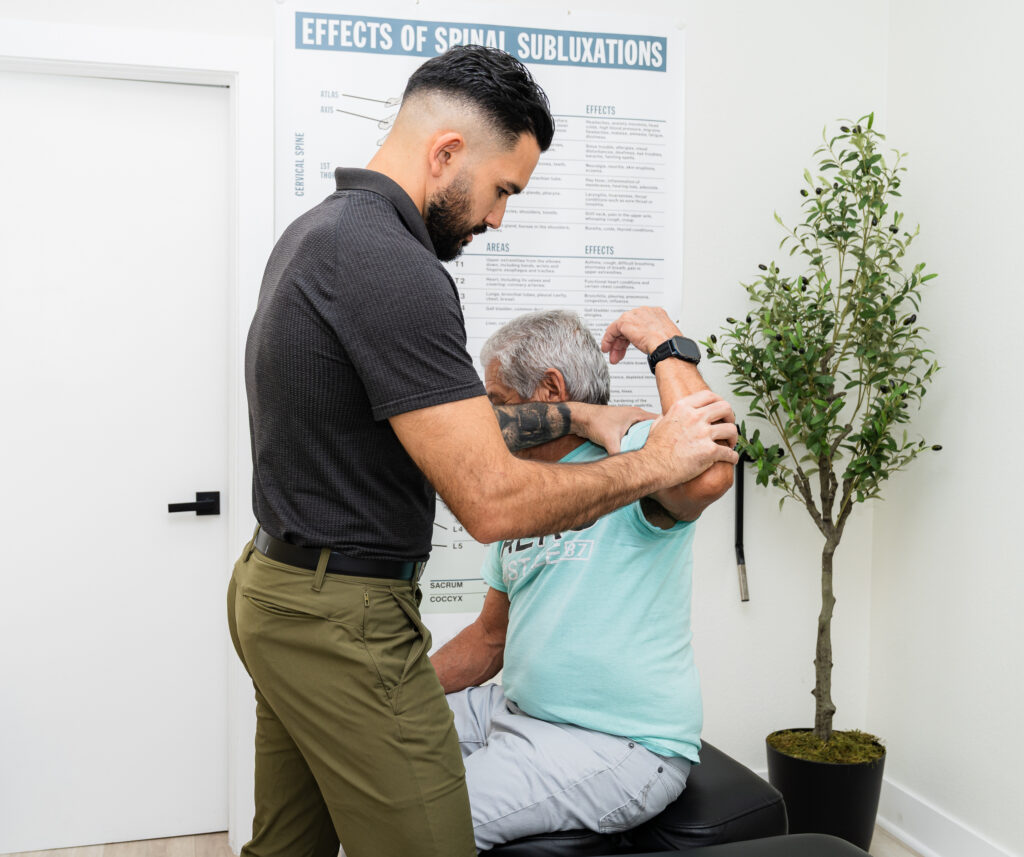
In chiropractic care, we focus on natural healing methods that can support your body's recovery journey. I encourage my patients to explore strategies such as gentle adjustments to improve mobility and reduce pain, as well as incorporating physical therapy exercises that promote strength and flexibility. Nutrition also plays a vital role, so consider consulting with a nutritionist to ensure you're fueling your body for healing.
So, what are the next steps you can take to ensure a safe and effective return to your sport? Let's work together to create a personalized recovery plan that suits your needs and helps you get back to doing what you love in a healthy and sustainable way.
Prioritize Rest and Recovery
When dealing with a sports injury, it's essential to understand the importance of prioritizing rest and recovery for a successful healing process. Your body needs time to heal, and it's crucial not to rush back into your usual activities. Listening to your body is key—if you're experiencing pain or discomfort, that's a clear sign to adjust your actions.
As a local chiropractor, I recommend taking a break from your regular routine but that doesn't mean you should remain completely inactive. Instead, focus on gentle movements that won't aggravate your injury. If your healthcare provider approves, consider low-impact exercises such as swimming or cycling. These activities can help you maintain your overall fitness while minimizing stress on the injured area.
In addition to movement, I encourage you to incorporate natural healing techniques like ice therapy and compression. Applying ice can help reduce inflammation and numb any pain, while compression can provide much-needed support and minimize swelling.
Remember that rest isn't only about physical downtime; mental rest is equally important. Take this opportunity to reflect on your goals and recharge your mindset for a successful recovery.
It's also vital to maintain open communication with your healthcare provider throughout your recovery. They can help you determine when it's safe to gradually reintroduce more intense workouts. Keep in mind that everyone heals at their own pace, so practice patience during this time.
Maintain a Balanced Diet
As a local Chiropractor, I want to emphasize the importance of maintaining a balanced diet, particularly when it comes to recovering from sports injuries. Proper nutrition plays a pivotal role in your body's ability to heal and regain strength. When you're dealing with an injury, your body requires a variety of nutrients to repair itself effectively.
One of the key components of your recovery is protein. It's crucial for tissue repair and muscle recovery. Incorporating lean meats, fish, eggs, and plant-based proteins like beans and lentils into your meals can significantly aid in this process. I recommend having a protein-rich snack after your physical activities to help kickstart your healing.
Carbohydrates are also vital, as they serve as your body's primary energy source. Foods like whole grains, fruits, and vegetables can help replenish your energy levels, especially if you're still engaging in light activities during your recovery.
Don't overlook the importance of healthy fats. Incorporating sources such as nuts, seeds, avocados, and olive oil into your diet can support your overall health and help reduce inflammation. Specifically, omega-3 fatty acids, found in fish and flaxseeds, can be quite beneficial in managing pain and swelling associated with injuries.
Staying hydrated is another essential aspect of your recovery. Drinking plenty of water is crucial for nutrient transportation and for flushing out toxins from your body. If you find yourself sweating more than usual, consider adding electrolytes to your hydration routine to maintain balance.
Finally, incorporating a range of colorful fruits and vegetables into your diet can provide you with antioxidants that help combat inflammation and promote healing. Aim for a variety of colors on your plate—think vibrant berries, leafy greens, and zesty citrus fruits.
Utilize Proper Rehabilitation Techniques
Maintaining a balanced diet is essential for your recovery, but it's just one aspect of a comprehensive healing process. As a local chiropractor, I want to emphasize the importance of utilizing proper rehabilitation techniques to enhance your recovery from sports injuries. The first step is to consult with a healthcare professional, such as myself, who can assess your injury and create a personalized rehabilitation plan tailored to your specific needs.
In your rehabilitation journey, it's crucial to focus on gradual progression. Start with gentle exercises that promote mobility and flexibility in the affected area. Be patient and avoid jumping into high-intensity workouts too soon. It's important to listen to your body and make adjustments as necessary.
Once you feel ready, we can incorporate strength training exercises, which are vital for rebuilding muscle strength and preventing future injuries. Paying attention to proper form during your exercises is equally important. Poor technique can lead to setbacks in your recovery, so I encourage you to focus on your movements.
In addition, we may consider utilizing natural healing modalities, such as ultrasound or electrical stimulation, which I can recommend as part of your treatment plan to help relieve pain and promote tissue healing.
Consistency is key in your rehabilitation program. Together, we can set realistic goals and track your progress, celebrating small victories along the way to keep you motivated. Don't hesitate to communicate any concerns or discomfort you experience throughout your recovery process. I'm here to guide you and ensure you're on the right path to healing naturally and holistically.
Stay Hydrated
As a local chiropractor, I want to emphasize the critical role hydration plays in your recovery from sports injuries. Many people may not realize that when you're dehydrated, your body's healing processes can be significantly hindered, leading to a longer recovery time.
Staying hydrated is essential for maintaining proper blood flow, reducing inflammation, and ensuring that vital nutrients reach your injured tissues effectively. Here are some practical tips to help you maintain optimal hydration levels:
- Drink Water Regularly: It's important not to wait until you're feeling thirsty to hydrate. Make it a routine to drink water throughout the day, particularly if you're engaging in physical activities. This will support your body's natural healing processes.
- Monitor Your Urine: A simple way to assess your hydration status is by checking the color of your urine. Aim for a light yellow hue, which indicates good hydration. If your urine is darker, it's a sign that you should increase your fluid intake.
- Include Electrolytes: After intense workouts, plain water mightn't suffice for proper hydration. Consider adding electrolyte-rich drinks or foods to your regimen—options like coconut water or specific sports drinks can help replenish the minerals lost during physical exertion.
- Eat Hydrating Foods: Incorporating fruits and vegetables with high water content into your diet can also enhance your hydration. Snacks such as watermelon, cucumbers, and oranges not only keep you hydrated but also provide essential vitamins that support healing.
By prioritizing your hydration, you're taking an important step towards a quicker and more effective recovery from injuries.
If you have any questions about how hydration can impact your healing process or overall health, please feel free to ask during your next visit!
Incorporate Active Recovery Practices
As a chiropractor, I want to emphasize the importance of staying hydrated during your recovery, but I also want to introduce you to the concept of active recovery practices, which can significantly enhance your healing process.
Active recovery involves engaging in low-intensity exercises that promote blood flow and accelerate healing without putting undue stress on your injured area. Activities like walking, swimming, or gentle cycling can be incredibly beneficial. These movements keep your muscles engaged and help reduce stiffness, which in turn makes it easier for you to regain mobility.
It's vital to listen to your body throughout this process. If you experience pain during any movement, it's crucial to modify or cease that activity. Focus on exercises that feel comfortable yet provide a mild challenge.
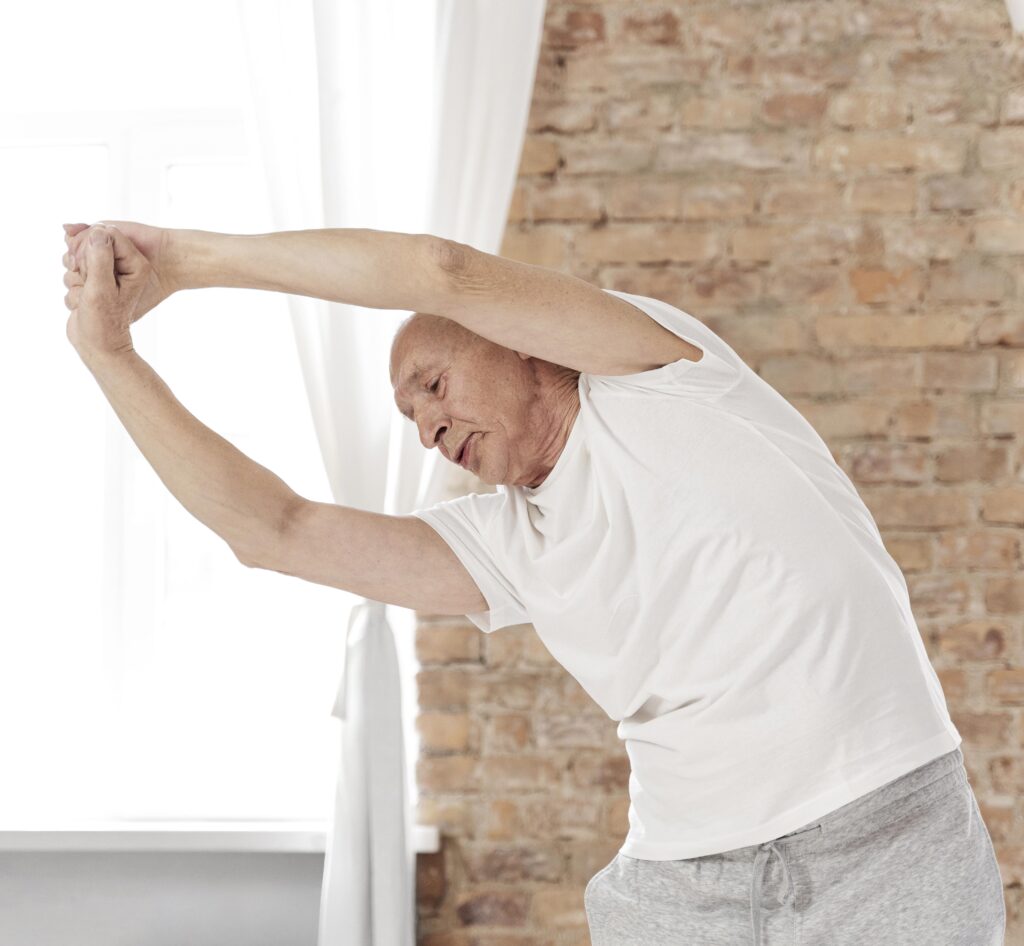
Incorporating stretching into your routine is also essential; it aids in maintaining flexibility and encourages circulation in the affected area. I recommend dynamic stretches before your active recovery sessions to warm up your muscles and static stretches afterward to promote overall flexibility.
You might also find practices like yoga or Pilates helpful. These disciplines focus on controlled movements and breath work, which not only help calm your mind but also enhance your core strength—vital for improving stability as you transition back to your regular activities.
Finally, remember that balance is key. Active recovery should complement rest, not replace it. The objective is to support your body's natural healing processes.
Conclusion
As a local chiropractor, I want to emphasize the importance of prioritizing rest and recovery when it comes to sports injury healing. It's essential to maintain a balanced diet rich in nutrients that support your body's healing process. Incorporating proper rehabilitation techniques tailored to your specific injury is vital, and I can assist you in developing a personalized plan.
Staying hydrated is another crucial aspect of recovery, as it helps to flush out toxins and keep your muscles functioning optimally. Additionally, active recovery practices, such as gentle stretching and low-impact exercises, can promote circulation and aid in healing.
Remember, your body needs time to heal, so it's important to be patient and attentive to its signals. With consistent effort and the right chiropractic approach, we can help you return to your activities even stronger and safer than before. By following these steps, you'll find yourself on the road to recovery more quickly than you might expect! Let's work together to support your healing journey.