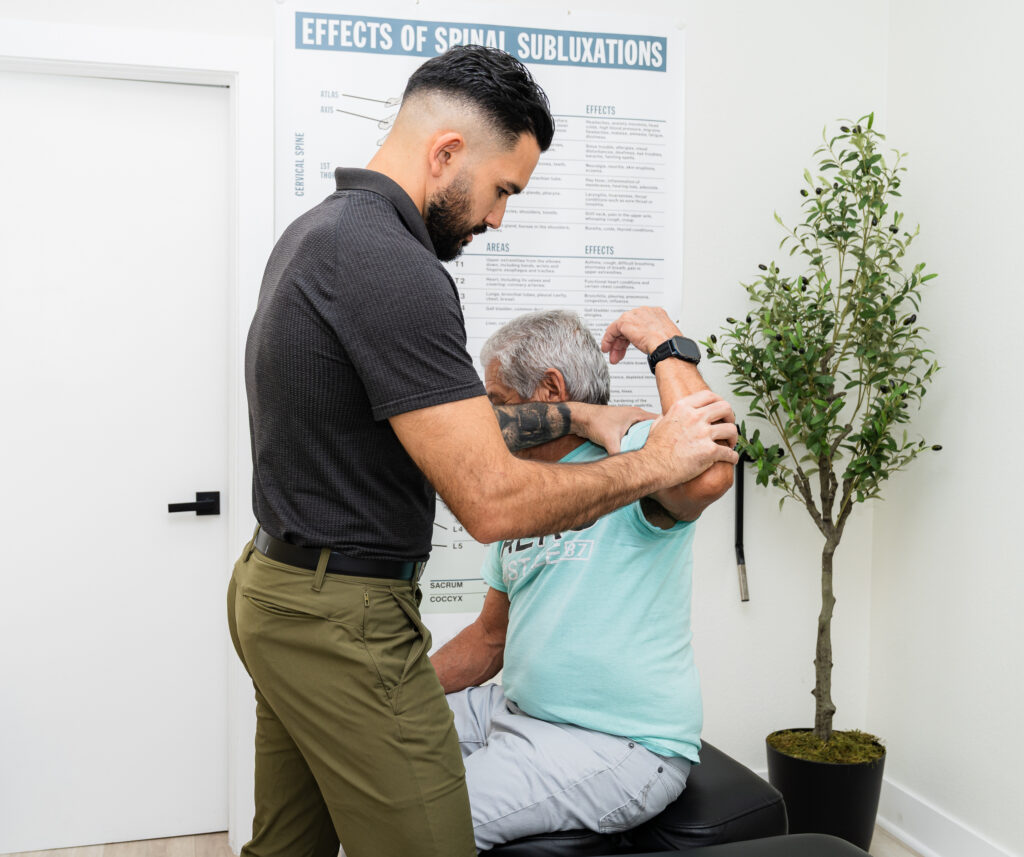

As a local chiropractor, I want to emphasize how the daily choices you make can significantly influence your experience with chronic pain. Many people are not aware that incorporating regular physical activity and prioritizing quality sleep are crucial steps in preventative care that can help manage pain naturally.
Making simple adjustments, such as creating an ergonomic workspace or being mindful of your nutrition, can lead to remarkable improvements in your overall well-being. These strategies are not just about treating pain; they are about preventing it from becoming a chronic issue in the first place.
As you explore these ten effective strategies, I encourage you to consider how they might connect to your own lifestyle and which ones could be the most beneficial for your situation. Together, we can uncover the potential benefits of chiropractic care and natural healing in your journey toward a pain-free life.
Regular Physical Activity
As a local chiropractor, I want to emphasize the vital role that regular physical activity plays in managing chronic pain and promoting your overall well-being. Engaging in consistent exercise is more than just a way to stay fit; it's a natural approach to healing that can significantly enhance your quality of life. When you participate in regular movement, your body releases endorphins—these are your body's natural pain relievers. This increase in endorphins can help to diminish your pain perception while also lifting your mood.
You don't have to take on intense workouts or heavy lifting to experience these benefits. Even moderate activities, such as walking, swimming, or practicing yoga, can lead to substantial improvements in your condition. Establishing a regular exercise routine can help you build strength, flexibility, and endurance—each of these elements is crucial in alleviating pain. For example, strength training can help stabilize your joints, while flexibility exercises can enhance your range of motion. By improving your flexibility and strength, you reduce the risk of injuries that can worsen chronic pain.
Moreover, regular physical activity can also play a significant role in alleviating symptoms of anxiety and depression, which often accompany chronic pain. Just getting outside for a brisk walk or participating in a group class can uplift your spirits and foster a sense of community.
It's important to create a schedule that aligns with your lifestyle. Start small and gradually increase your activity level to avoid overexertion. Always listen to your body; if something feels off, it's crucial not to push through the discomfort. Finding activities that you enjoy will keep you motivated and committed to your journey toward better physical health.
Ultimately, incorporating regular physical activity into your life can serve as a powerful tool not only for managing chronic pain but also for enhancing your overall quality of life. As your chiropractor, I'm here to support you in this journey toward natural healing and well-being.
Balanced Nutrition
As your local chiropractor, I want to emphasize the importance of a well-balanced diet in managing chronic pain and enhancing your overall health. Nutrition plays a vital role in supporting your body's natural healing processes, helping to reduce inflammation and promote recovery.
Incorporating a diverse array of fruits and vegetables into your meals is essential. These foods are packed with antioxidants and vitamins that can help alleviate pain. I particularly recommend focusing on leafy greens, berries, and citrus fruits, as they've been shown to have powerful anti-inflammatory properties.
Don't overlook the significance of healthy fats in your diet! Foods rich in omega-3 fatty acids, such as salmon, walnuts, and flaxseeds, can significantly reduce inflammation. These beneficial fats are crucial for maintaining joint health and can help ease discomfort associated with arthritis and other chronic conditions.
It's also important to monitor your protein intake. Lean sources of protein, including chicken, turkey, legumes, and beans, aid in muscle repair and help keep your body strong. Sufficient protein intake is vital for maintaining a healthy weight, which can alleviate pressure on your joints and enhance your overall well-being.
Lastly, staying hydrated is key. Drinking ample water is essential for your body's overall health and can help flush out toxins that may contribute to pain.
Additionally, I encourage you to limit processed foods, sugar, and excessive salt, as these can lead to increased inflammation and painful flare-ups.
Stress Management Techniques
As a local chiropractor, I want to emphasize the importance of managing stress, especially for those of you dealing with chronic pain.
Stress can lead to muscle tension, which often exacerbates pain levels. By implementing effective stress management techniques, you can take charge of your health and enhance your overall well-being.
Here are some strategies that you might find beneficial:
- Mindfulness Meditation: I encourage you to set aside a few minutes each day to focus on your breathing and center your thoughts. This practice can significantly reduce anxiety and help you remain present, which is crucial for pain management.
- Physical Activity: Engaging in regular physical activity, whether it's a brisk walk, yoga, or even dancing, is essential. Movement not only releases endorphins—your body's natural painkillers—but also helps to lift your mood and reduce discomfort.
- Deep Breathing Exercises: Take a moment each day to practice deep, slow breathing. This technique can help lower your heart rate and promote relaxation, counteracting the muscle tension that often accompanies stress.
- Journaling: Writing down your thoughts and emotions can serve as a therapeutic outlet. It allows you to process what you're feeling and identify potential triggers that could be worsening your pain.
Incorporating these techniques into your daily routine can complement your chiropractic care, helping you to manage pain more effectively and improve your overall quality of life.
Let's work together to find the best approach for your unique situation.
Adequate Sleep
As a local chiropractor, I want to emphasize the importance of getting adequate quality sleep for managing chronic pain and improving your overall well-being.
When you're well-rested, your body is more equipped to cope with pain, which can significantly enhance your daily life. Let's talk about how incorporating good sleep hygiene practices can improve your sleep quality and subsequently influence your pain perception.
Understanding and prioritizing sleep is a crucial part of a holistic approach to health. Simple changes in your bedtime routine, the environment where you sleep, and your daily habits can lead to better rest.
This not only helps in reducing discomfort but also supports your body's natural healing processes. By improving your sleep, you're taking an essential step towards living a more pain-free and fulfilling life.
If you're interested, I can provide tips and guidance tailored to your specific needs to help you achieve that restful sleep.
Importance of Sleep Quality
As a local chiropractor, I want to emphasize the vital role that quality sleep plays in your overall health, especially for those of you dealing with chronic pain. Your body needs adequate rest to heal and manage pain effectively. When you focus on improving your sleep quality, you're not just getting some shut-eye; you're allowing your body to rejuvenate and recover from the stresses of the day.
Inadequate sleep can actually heighten your pain levels, making daily activities feel even more challenging.
Here are some important reasons why prioritizing sleep quality is crucial for your well-being:
- Restoration: During sleep, your muscles and tissues undergo repair, which can help reduce inflammation and alleviate pain.
- Mood Regulation: A good night's sleep can significantly enhance your mood, making it easier for you to cope with stress and perceive pain in a more manageable way.
- Hormonal Balance: Quality sleep helps regulate important hormones, such as cortisol, which can affect how sensitive you're to pain.
- Cognitive Function: When you get sufficient sleep, your mental clarity improves, supporting better decision-making when it comes to managing your pain and overall health.
By understanding the connection between sleep and pain management, you can take proactive steps toward enhancing your quality of life.
Sleep and Pain Perception
As a local chiropractor, I want to share how vital adequate sleep is for your overall well-being, especially when it comes to managing pain. When you're well-rested, your body is much more capable of handling pain signals effectively. Conversely, if you're not getting enough sleep, you may find that even minor aches and discomforts feel significantly more intense, which can negatively affect your everyday life.
Research indicates that sleep deprivation can lead to elevated stress hormone levels, which may contribute to the development of chronic pain conditions. Without sufficient restorative sleep, your body struggles to heal and recover, making it more challenging to cope with any existing pain you may be experiencing.
You might also notice that lack of sleep can impact your mood, creating a frustrating cycle of pain and discomfort that can be tough to escape. Additionally, when you're not getting enough sleep, your cognitive abilities can suffer. This can make it harder to implement effective coping strategies for managing pain, leaving you feeling stuck.
By prioritizing adequate sleep, you can significantly improve your pain perception, empowering you to handle discomfort more effectively. As a chiropractor, I encourage you to make sleep a priority. Not only will it enhance your physical well-being, but it will also equip you with the resilience needed to navigate pain more successfully.
Sleep Hygiene Practices
As a chiropractor dedicated to your overall health and well-being, I want to emphasize the importance of good sleep hygiene. Quality sleep isn't only crucial for your rest but also plays a vital role in reducing the risk of chronic pain, which many of my patients experience.
By incorporating a few simple routines into your nightly habits, you can create an environment that fosters better sleep and enhances your healing process.
Here are some effective sleep hygiene practices I recommend for my patients:
- Stick to a schedule: Aim to go to bed and wake up at the same time each day, including weekends. This consistency helps regulate your body's internal clock, making it easier to fall asleep and wake up refreshed.
- Create a restful environment: Your bedroom should be a sanctuary for sleep. Keep it dark, quiet, and cool to promote a peaceful atmosphere, allowing your body to relax and recover overnight.
- Limit screen time: The blue light emitted by smartphones, tablets, and computers can disrupt your natural sleep cycle. Try to avoid screens at least an hour before bedtime to help your body produce melatonin, the hormone that regulates sleep.
- Be mindful of what you consume: Pay attention to your intake of caffeine and heavy meals in the hours leading up to bedtime. Opt for lighter snacks and limit caffeine to improve your chances of falling asleep more easily.
By implementing these practices into your routine, you may find that you fall asleep faster, sleep more soundly, and wake up feeling revitalized.
As your sleep quality improves, you might also notice a decrease in pain perception, which can significantly enhance your overall well-being.
Prioritizing your sleep is an investment in your health, and your body will truly appreciate it!
Routine Medical Check-ups
Routine chiropractic check-ups are crucial for managing chronic pain and enhancing your overall health. When you visit your chiropractor regularly, you engage in proactive measures to monitor your body's condition and identify any underlying issues that could contribute to discomfort. These visits provide an opportunity to discuss any new symptoms, changes in pain levels, or concerns you may have, allowing your chiropractor to offer tailored advice and natural treatment options.
During these appointments, your chiropractor will assess your overall well-being, review your health history, and may perform necessary adjustments or therapies. This comprehensive approach helps to catch potential problems early, preventing them from escalating into more serious conditions that can lead to chronic pain. By addressing issues promptly, you can avoid complications that often arise from untreated health concerns.
Additionally, routine chiropractic visits keep you informed about your treatment plan and any necessary adjustments. Your chiropractor can evaluate the effectiveness of your current pain management strategies and modify them as needed. This ongoing dialogue ensures that you receive personalized care that adapts to your changing needs.
Lastly, regular visits to your chiropractor foster a trusting relationship, making it easier for you to communicate openly about your pain and health. This trust is vital for effective care and can significantly enhance your quality of life.
Mindfulness and Meditation
As a chiropractor, I often see patients who are struggling with chronic pain. One effective approach that many find beneficial is incorporating mindfulness and meditation into their daily routines. This practice can significantly help in managing pain by focusing on the present moment, which reduces stress and promotes relaxation—key components in alleviating discomfort.
When you engage in mindfulness, you're essentially training your mind to observe your thoughts and sensations without judgment. This can create a valuable detachment from the discomfort that often accompanies chronic pain.
Here's how mindfulness and meditation can support your healing journey:
- Reduces stress: By lowering your stress levels, you can decrease muscle tension, which is a common contributor to chronic pain.
- Improves emotional well-being: Regular meditation has been shown to help manage anxiety and depression, both of which frequently accompany chronic pain conditions.
- Enhances awareness: Mindfulness practices increase your awareness of your body, enabling you to identify pain triggers and respond to them more effectively.
- Promotes relaxation: Techniques such as deep breathing can activate your body's natural relaxation response, which can help reduce your perception of pain.
To get started, I recommend finding a quiet space and dedicating just a few minutes each day to practice mindfulness. You can begin with simple breathing exercises or guided meditations that resonate with you.
Over time, many patients report feeling greater control over their pain and an overall improvement in their sense of well-being.
Remember, the goal isn't to eliminate pain entirely—it's about learning to manage it in a healthier way. By integrating mindfulness and meditation into your routine, you're taking an important step towards reducing chronic pain and enhancing your quality of life.
As your chiropractor, I'm here to support you on this journey to natural healing.
Ergonomic Workspaces
As a local chiropractor, I want to emphasize the importance of creating an ergonomic workspace for your comfort and productivity.
Many people don't realize that a proper desk setup and a supportive chair design can significantly reduce the risk of chronic pain, which is something I often see in my practice.
By making thoughtful adjustments to your environment, you can promote better posture and enhance your overall well-being.
This is vital not just for your immediate comfort, but also for long-term health.
Simple changes can lead to profound benefits in how your body feels and functions.
Proper Desk Setup
As a local chiropractor, I want to emphasize the importance of a proper desk setup for your overall health and well-being. Many of my patients spend long hours working at computers, and I've seen how improper ergonomics can lead to chronic pain, especially in the neck, back, and wrists.
By creating an ergonomic workspace, you can significantly reduce strain on your body and promote better posture. Here are some tips to help you achieve a more comfortable environment:
- Monitor Height: It's crucial to position your monitor so that the top of the screen is at or just below your eye level. This alignment helps keep your neck in a neutral position, reducing unnecessary strain and discomfort.
- Keyboard and Mouse Placement: Ensure that your keyboard and mouse are within easy reach to prevent overextending your arms. Your elbows should maintain a 90-degree angle, with your wrists in a straight position while typing. This setup can help alleviate tension in your wrists and forearms.
- Desk Height: If you're using a traditional desk, make sure it's at a height that allows your arms to rest comfortably while you work. Avoid hunching or stretching, which can lead to discomfort over time. Your desk should promote a relaxed posture.
- Lighting: Proper lighting is essential to reduce glare on your screen. Adequate lighting not only minimizes eye strain but also encourages better posture as you won't be leaning forward to see your work clearly.
By implementing these ergonomic principles, you can support your body's natural alignment and promote a healthier workspace.
If you have any questions or need assistance with your desk setup, don't hesitate to reach out. Your body will thank you!
Supportive Chair Design
As a local chiropractor, I often emphasize the importance of an ergonomic chair in creating a supportive workspace. The right chair can significantly enhance your comfort and productivity, especially if you find yourself sitting for extended periods. Poor seating can lead to chronic pain, which is something we want to avoid for your overall health.
Ergonomic chairs are specifically designed to align with your spine's natural curve, which is crucial for promoting better posture and minimizing strain on your back and neck. When choosing a chair, look for key features such as adjustable height, lumbar support, and adjustable armrests.
An adjustable height allows you to set your chair so that your feet rest flat on the ground, with your knees forming a 90-degree angle—this is essential for maintaining good circulation and posture. Lumbar support is vital for preserving the natural curve of your lower back, which can help alleviate discomfort. Additionally, armrests that can be adjusted will keep your shoulders relaxed, further reducing tension.
Material and cushioning are also critical factors that shouldn't be overlooked. Chairs made from breathable fabrics and those with adequate padding can significantly enhance your sitting experience.
By investing in a supportive chair, you aren't only improving the aesthetics of your workspace but also taking proactive steps to prevent chronic pain. This allows you to concentrate on your tasks without the distraction of discomfort.
Prioritizing your comfort in your workspace will likely lead to an increase in both your productivity and overall well-being. Remember, a well-supported spine is key to a healthier life!
Preventative Screenings
As a local chiropractor, I want to emphasize the importance of preventative screenings in managing your health and well-being, especially when it comes to chronic pain.
These screenings can help identify potential health issues before they escalate, allowing you to take proactive steps to maintain your wellness and potentially avoid chronic pain altogether.
Here are some key benefits of preventative screenings that I encourage my patients to consider:
- Early Detection: Regular screenings can help uncover underlying health issues such as arthritis, diabetes, or cardiovascular concerns before they develop into chronic pain conditions. By identifying these issues early, we can address them effectively.
- Personalized Treatment Plans: The insights gained from screenings allow me to create tailored treatment plans that cater to your specific needs. This means that your care will be more focused and effective, helping you achieve better results.
- Enhanced Quality of Life: By addressing health concerns proactively, you can experience improved pain management and a higher overall quality of life. My goal is to help you feel your best, and early intervention is key to that.
- Empowerment Through Education: Preventative screenings provide not only health insights but also valuable information about your lifestyle choices. This empowers you to make informed decisions about your health and take control of your well-being.
Incorporating preventative screenings into your healthcare routine can be a game-changer.
Let's work together to ensure you stay on the path to optimal health and wellness!
Hydration Importance
As a local chiropractor, I want to emphasize the vital role that hydration plays in maintaining optimal joint function and preventing painful muscle cramps.
When you ensure you're drinking enough water, your joints remain well-lubricated, allowing them to move freely and efficiently. This not only promotes better mobility but also enhances the effectiveness of your muscles during daily activities.
I encourage you to prioritize your fluid intake throughout the day, as it supports not just your overall health, but also helps manage chronic pain.
Staying hydrated is a simple yet powerful step towards achieving better health and wellness through natural healing.
Optimal Joint Function
As a local chiropractor, I want to share with you just how important proper hydration is for maintaining optimal joint function. When you stay well-hydrated, your joints receive the essential lubrication they need to move smoothly and efficiently.
Water plays a vital role in maintaining synovial fluid, which acts as a cushion for your joints, helping to reduce friction and wear. If you don't hydrate adequately, you may experience joint stiffness and discomfort, which can lead to chronic pain over time.
Here are several key reasons why staying hydrated is crucial for supporting your joint health:
- Lubrication: Water is necessary for the production of synovial fluid, which keeps your joints well-lubricated and functioning properly.
- Shock Absorption: Adequate hydration helps cushion your joints, providing protection against impacts and stress during daily activities.
- Nutrient Transport: Water is fundamental for transporting vital nutrients to your cartilage, aiding in its repair and overall health.
- Inflammation Reduction: Staying properly hydrated can help decrease inflammation, which can alleviate pain and discomfort associated with joints.
By making sure you're drinking enough water daily, you can help support your joints and overall well-being.
If you have any questions about how hydration and chiropractic care can work together for your health, feel free to reach out!
Muscle Cramp Prevention
As a local chiropractor dedicated to your overall health and well-being, I want to emphasize the critical role hydration plays in preventing muscle cramps, particularly during physical activity.
When you exercise or engage in strenuous movements, your body loses fluids through sweat. If you fail to replenish those fluids, you risk dehydration, which can lead to painful muscle cramps. Staying adequately hydrated not only supports your body's functions but also helps maintain the balance of electrolytes necessary for optimal muscle performance.
To help prevent cramps, I recommend drinking water before, during, and after any physical activity. If you're exercising for an extended period, consider using sports drinks that contain electrolytes to replenish the minerals you lose. It's important to remember that you mightn't feel thirsty until it's too late, so make hydration a priority throughout your day.
Be mindful of your body's signals. Common signs of dehydration include dry mouth, fatigue, and dizziness. If you notice any of these symptoms, please take a break, hydrate, and give your body the chance to recover.
Additionally, incorporating stretching and warming up into your routine can prepare your muscles and significantly reduce the risk of cramping.
By integrating proper hydration into your daily habits, you're not only preventing muscle cramps but also enhancing your overall physical performance. Prioritizing hydration is a vital step toward avoiding chronic pain and maintaining optimal health.
As your chiropractor, I'm here to support you in your journey to a healthier lifestyle through natural healing practices.
Social Support Systems
As a local chiropractor, I want to emphasize the vital role that social support systems play in managing chronic pain and enhancing your healing journey. When you're grappling with pain, having a network of supportive friends, family members, or community resources can significantly influence your overall well-being and recovery.
Here are some key benefits of cultivating a strong social support system:
- Emotional Encouragement: Surrounding yourself with friends and family who listen and understand your pain can help you process your emotions. Sharing your experiences can offer relief and foster a sense of connection.
- Practical Help: Those who care about you can assist with everyday tasks, such as preparing meals or running errands. This practical support can alleviate some of the burdens that chronic pain places on your life.
- Shared Experiences: Connecting with others who face similar challenges can provide a sense of belonging and validation. It's reassuring to know that you're not alone in your struggle.
- Motivation: A robust support network can inspire you to adhere to treatment plans, including chiropractic care and lifestyle changes that promote healing and pain reduction.
Investing time in nurturing these relationships can lead to improved coping strategies and a more optimistic outlook on life.
I encourage you to reach out to those who care about you and communicate your needs. Remember, managing chronic pain involves more than just medical interventions; it also encompasses the invaluable support from those around you.
Embrace your social support system, and let it amplify your journey toward better health and healing through chiropractic care and natural healing methods.
Conclusion
As your local chiropractor, I want to emphasize how incorporating preventative care into your daily routine can significantly alleviate chronic pain and improve your overall health. Staying active, consuming balanced meals, managing stress levels, and ensuring you get enough sleep are all vital components of a proactive approach to health.
It's crucial to recognize the benefits of regular chiropractic check-ups, which can help identify and address any alignment issues before they become more serious. Additionally, setting up an ergonomic workspace can make a world of difference in reducing strain and discomfort, especially if you spend long hours at a desk.
Don't forget the importance of social support systems—having a network of friends and family can play a key role in your healing journey. Implementing these small but impactful changes can lead to significant improvements in how you feel. By committing to these strategies, you're not just managing pain; you're paving the way for a healthier, pain-free future. Let us work together to achieve your wellness goals!