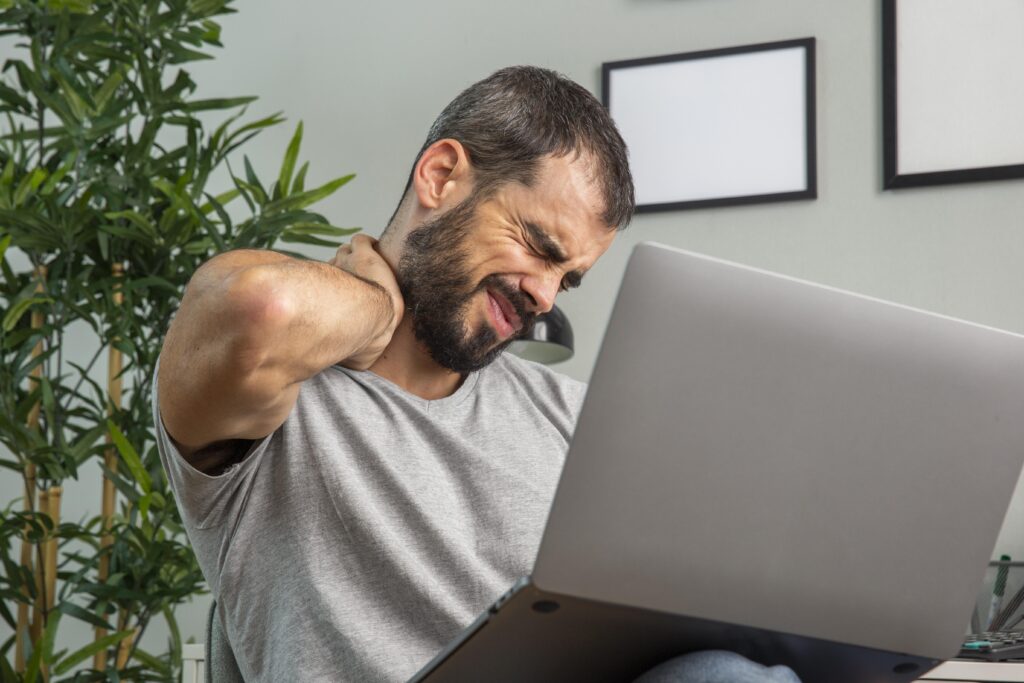

As a local chiropractor, I've seen firsthand how sports-related back pain can significantly impact both your athletic performance and everyday activities. If you're struggling with discomfort in your back due to sports, you may be curious about the most effective treatments available. It's important to understand that there are various natural healing approaches that can provide relief.
From my experience, rest and recovery are essential first steps, but they can be complemented by targeted chiropractic care and physical therapy tailored to your specific needs. Each patient's situation is unique, and the best treatment for you will depend on factors such as the severity of your pain and your overall activity level.
Let's delve into the top ten methods we can consider together to help you alleviate your back pain and get you back on the field or court. Through a combination of chiropractic adjustments, rehabilitation exercises, and lifestyle changes, we can work towards restoring your mobility and enhancing your athletic performance naturally.
Rest and Recovery
As a local chiropractor, I want to emphasize the importance of prioritizing rest and recovery following an injury, especially when dealing with sports-related back pain.
It's common to feel the urge to push through the discomfort, but this can often lead to worsening your condition and extending your recovery time. Instead, it's crucial to listen to your body and give it the necessary time to heal.
To begin your recovery journey, I recommend incorporating periods of complete rest into your daily routine. This doesn't mean you have to remain completely inactive; gentle movements can actually encourage blood flow and prevent stiffness.
However, it's important to avoid activities that aggravate your pain. Simple and light tasks, such as walking or gentle stretching, can be beneficial.
In addition, heat and ice therapy can significantly enhance your recovery process. Applying ice packs can help reduce inflammation, while heat can soothe tight muscles.
I suggest alternating between these methods based on what feels most comfortable for you.
Another key aspect to consider is proper sleep hygiene. Quality sleep is vital for your body's healing mechanisms, so ensure you're getting adequate rest each night.
You might also want to assess your sleeping position to better support your back during recovery.
Lastly, a balanced diet rich in nutrients can facilitate healing. Focus on incorporating foods high in omega-3 fatty acids, antioxidants, and protein, as these can aid in reducing inflammation and supporting tissue repair.
Remember, taking the time to properly rest and recover is essential for your overall well-being and will help you return to your active lifestyle sooner and stronger.
If you have any questions or need personalized guidance, don't hesitate to reach out to our chiropractic office. Your health is our priority!
Physical Therapy
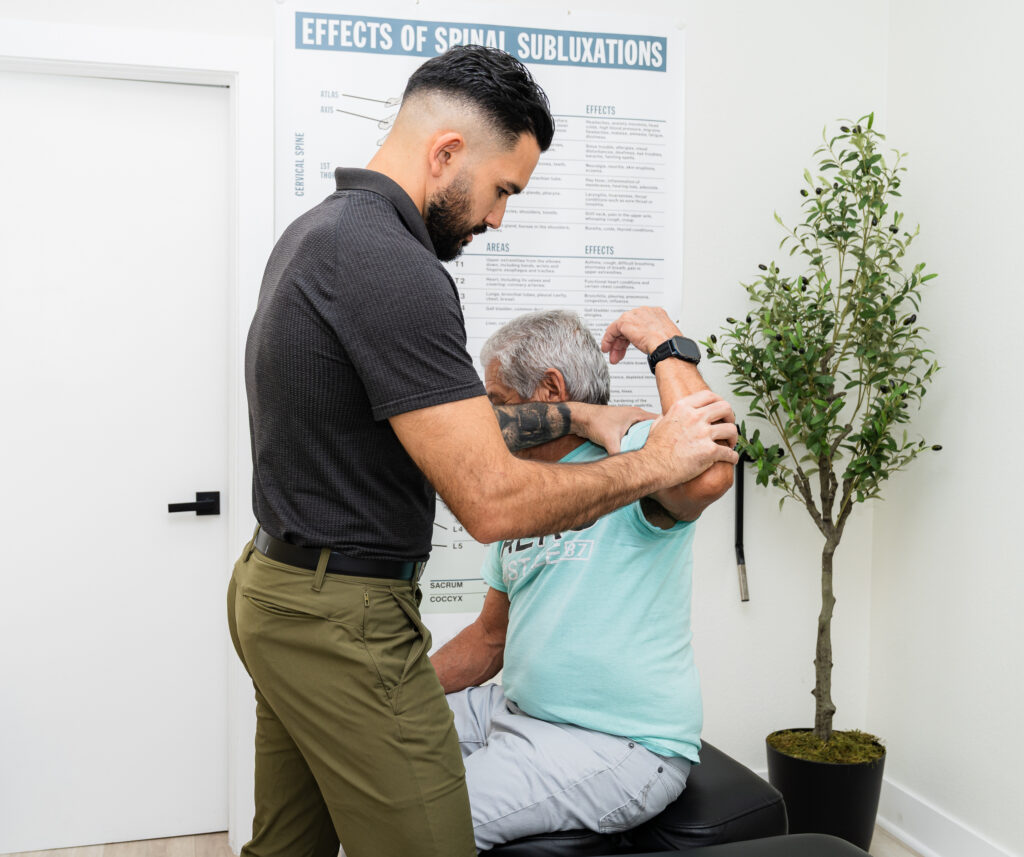
Chiropractic care is a vital aspect of recovering from sports-related back pain, allowing you to regain strength and flexibility naturally. When you visit a chiropractor, they'll conduct a thorough assessment of your specific condition and create a personalized treatment plan tailored to your unique needs. This plan often includes adjustments to realign your spine and joints, as well as targeted exercises designed to strengthen your core, improve your posture, and enhance your overall mobility.
During your chiropractic sessions, you can expect to engage in a variety of activities aimed at alleviating pain and restoring function. These may include spinal manipulations, stretching techniques, and exercises that promote strength and stability. Your chiropractor will guide you through these processes, ensuring that you maintain proper form and technique to prevent further injuries.
They may also utilize complementary therapies such as heat, ice, or electrical stimulation to help reduce inflammation and relieve discomfort.
Consistency is crucial in your recovery journey. Regular visits to your chiropractor, along with diligently following their recommendations for at-home exercises and care, can significantly accelerate your healing process. As you progress, your chiropractor will modify your treatment plan to challenge you and encourage continued improvement.
Moreover, chiropractic care provides valuable education on body mechanics and ergonomics, empowering you to prevent future injuries. Understanding how to move correctly during sports activities and in your daily life is essential for long-term success.
With the right guidance and commitment to your care, chiropractic treatment can help you return to your favorite sports with renewed resilience and confidence, effectively managing and preventing back pain naturally.
Chiropractic Adjustments
As a local chiropractor, I'm here to shed light on how chiropractic adjustments can be a game-changer for those of you experiencing sports-related back pain. Many people aren't aware that these adjustments are crucial in restoring the alignment and function of your spine. Misalignments can happen for various reasons, such as repetitive movements, falls, or even poor posture while engaging in sports.
By performing specific adjustments to realign your vertebrae, we can help alleviate tension and enhance your overall range of motion.
When you come in for your appointment, I'll conduct a thorough assessment to pinpoint the exact areas of discomfort you're experiencing. After that, I'll carry out targeted adjustments designed to relieve pressure on your nerves and restore proper spinal alignment. This process not only helps reduce your pain but also boosts your body's natural healing abilities.
Many of my patients notice improvements in flexibility and strength, allowing them to return to their favorite activities with renewed vigor.
It's important to understand that chiropractic care goes beyond simply addressing immediate pain. We focus on prevention as well, ensuring that we maintain proper spinal alignment to minimize the risk of future injuries and enhance your athletic performance.
Regular adjustments can keep your body functioning at its best, allowing you to stay active and enjoy your sports longer.
To maximize the benefits of chiropractic adjustments, I recommend integrating a comprehensive treatment plan that may include physical therapy, stretching, and strength training. This holistic approach ensures that we not only treat your pain but also tackle the underlying causes, setting you up for long-term success.
If you're struggling with sports-related back pain, I invite you to schedule an appointment with me to explore how chiropractic adjustments can support your journey back to doing what you love.
Pain Relief Medications
As a local chiropractor, I want to share how pain relief medications can be a part of managing sports-related back pain, but also emphasize the benefits of chiropractic care and natural healing. When you're experiencing discomfort, many people initially turn to over-the-counter options like nonsteroidal anti-inflammatory drugs (NSAIDs) as a first step. Medications such as ibuprofen or naproxen may help reduce inflammation and alleviate pain, enabling you to engage in your physical activities again.
However, it's crucial to understand that while these medications can provide temporary relief, they don't address the underlying issues causing your pain. If your discomfort persists or becomes more intense, I encourage you to consider a holistic approach.
While your healthcare provider might suggest stronger medications or even opioids, these come with risks and should be used with caution. Instead, a chiropractic evaluation can help identify the root causes of your pain and offer natural treatment options tailored to your needs.
In addition to traditional pain relief methods, there are topical analgesics like creams or patches that contain ingredients such as menthol or lidocaine. While these can provide localized relief, I believe that chiropractic adjustments and therapies can offer a more comprehensive solution by improving spinal alignment and mobility, which can lead to long-term relief.
Remember, it's essential to follow the proper dosage and timing if you choose to use medications. However, I invite you to take a proactive approach to your health by exploring chiropractic care.
If your pain worsens or doesn't improve, please reach out to me. Together, we can work on a recovery plan that not only alleviates pain but also enhances your overall well-being, so you can get back to enjoying the sports you love.
Heat and Cold Therapy
As a local chiropractor, I want to share valuable insights on managing sports-related back pain with heat and cold therapy.
These two techniques can truly transform your recovery process. Applying heat helps to relax your muscles and enhance blood circulation, which is essential for healing. On the other hand, cold therapy is effective in reducing inflammation and numbing sharp pain, providing you with much-needed relief.
It's important to understand when and how long to apply each method for the best results. For instance, heat therapy is often most beneficial before physical activity to loosen tight muscles, while cold therapy is typically recommended after activity to minimize swelling.
By incorporating these natural healing methods into your routine, you can take significant steps towards alleviating your pain and improving your overall well-being.
If you have any questions or need guidance on using these therapies, feel free to reach out during your next visit!
Benefits of Heat Application
As a local chiropractor, I want to share with you the incredible benefits of applying heat to your back, especially when it comes to relieving discomfort related to sports activities.
Heat therapy is a natural and effective way to enhance your healing process. When you apply heat to the affected area, it increases blood circulation, which helps deliver essential nutrients and oxygen necessary for recovery. This is particularly important after engaging in intense physical activity when your muscles may feel tight or sore.
There are several simple ways to apply heat, including heating pads, warm towels, or even a relaxing hot bath. The warmth penetrates deeply into the muscles and tissues, providing a soothing sensation that can significantly reduce pain and discomfort.
However, it's crucial to ensure that the temperature is comfortable; too much heat can lead to burns. Always test the heat source before applying it to your skin.
For optimal results, I recommend applying heat for about 15 to 20 minutes at a time. This allows your muscles to relax and recover effectively. You can repeat this process several times throughout the day, depending on your level of discomfort.
Just keep in mind that heat therapy is most beneficial for chronic pain or muscle tightness, rather than acute injuries.
Incorporating heat application into your routine can be a straightforward and natural way to manage sports-related back pain.
If you're interested in learning more about how chiropractic care can support your recovery and overall wellness, feel free to reach out!
Cold Therapy Techniques
As a local chiropractor, I often emphasize the importance of various therapeutic techniques in managing pain and promoting recovery, especially when it comes to sports-related back pain.
While many people are familiar with heat therapy for muscle tightness, I want to shed light on the significant benefits of cold therapy, particularly after injuries or rigorous physical activity.
Cold therapy is essential for reducing inflammation, numbing sharp pain, and alleviating muscle spasms. There are several effective ways to apply cold therapy that I encourage my patients to try.
One of the simplest methods is to use an ice pack. To protect your skin, wrap the ice pack in a towel and apply it to the affected area for about 15-20 minutes. If you don't have an ice pack handy, a bag of frozen vegetables can serve as a great alternative.
Another effective option is a cold compress—just soak a cloth in cold water and place it on your back.
For those needing a more targeted approach, I recommend gel packs specifically designed for cold therapy. These packs conform to your body's shape, providing better coverage to the affected areas.
Additionally, cold baths or showers after intense workouts can be incredibly helpful in alleviating discomfort and speeding up recovery.
Remember, it's essential to listen to your body and adjust your cold therapy techniques as needed.
If you have any questions or need guidance on how to incorporate these methods into your recovery routine, feel free to reach out. My goal is to help you understand and utilize natural healing techniques to get you back to your sport and feeling your best.
Timing and Duration
As a local chiropractor, I want to share some essential information about using heat and cold therapy effectively to support your recovery from sports-related back pain.
Understanding the right timing and duration for these therapies can significantly enhance your healing process. Here's a straightforward guide to help you navigate these treatments:
1. Cold Therapy: It's crucial to use cold packs right after an injury occurs or during flare-ups.
Applying cold for 15-20 minutes can help reduce inflammation and numb painful areas. Remember to rest between sessions to avoid damaging your skin.
2. Heat Therapy: Once the initial swelling has subsided—usually within 24-48 hours after the injury—it's time to introduce heat.
You can use a heating pad or a warm towel for 15-30 minutes. This helps to relax tight muscles and boosts blood circulation, which is vital for healing.
3. Timing: It's beneficial to alternate between heat and cold therapy, based on how your body responds.
This approach can help manage pain and expedite the healing process.
4. Listen to Your Body: Always pay attention to how your back feels during treatment.
If you notice an increase in pain or discomfort, it's important to stop and reach out to a healthcare professional for guidance.
By utilizing heat and cold therapy correctly, you can make a significant impact on your recovery journey.
If you have any questions or need further assistance, don't hesitate to reach out to me for personalized advice. Your health and well-being are my top priorities!
Massage Therapy
As a local chiropractor, I want to share how massage therapy can significantly benefit those suffering from sports-related back pain.
This holistic approach not only alleviates tension but also supports the healing process through specialized techniques designed to meet your individual needs.
By incorporating massage therapy into your treatment plan, you can enhance recovery and get back to your favorite activities more quickly.
Let's delve into the various benefits and methods that can aid in your healing journey and improve your overall well-being.
Benefits of Massage Therapy
As a local chiropractor dedicated to helping you achieve optimal health, I understand that sports-related back pain can significantly hinder both your performance and daily activities.
It's crucial to explore effective treatments that promote healing and enhance your well-being. One of the most beneficial options I recommend is massage therapy. This natural approach can offer substantial relief, allowing you to return to your favorite activities more swiftly.
Here are four key benefits of incorporating massage therapy into your routine for back pain relief:
- Pain Relief: Massage therapy is excellent at reducing muscle tension and alleviating back pain. By easing discomfort, it enables you to move more freely and comfortably.
- Improved Flexibility: Regular massage sessions can enhance your range of motion. This increased flexibility not only helps you perform better in sports but also lowers your risk of sustaining injuries.
- Circulation Boost: One of the remarkable effects of massage is its ability to increase blood flow to the affected areas. This improved circulation promotes healing by delivering essential nutrients to your muscles, aiding in recovery.
- Stress Reduction: The calming effects of massage therapy can significantly lower stress levels. Since tension often exacerbates pain, this relaxation is vital for your overall health and well-being.
Integrating massage therapy into your care regimen could be transformative. By addressing both the physical and mental aspects of your back pain, you'll likely experience improved comfort and performance.
As your chiropractor, I'm here to guide you on this journey to better health through natural healing methods.
Techniques for Back Pain
As a local chiropractor, I want to share some effective ways to manage sports-related back pain through natural healing techniques, particularly massage therapy.
First, it's essential to identify the areas of tension in your back. Deep tissue massage is a great technique that can help release muscle knots and enhance blood flow, which is vital for promoting faster healing.
Another technique to consider is trigger point therapy. This approach focuses on specific tight areas in your muscles that may be referring pain to other parts of your body. By addressing these points, we can alleviate discomfort and improve your overall mobility.
Additionally, sports massage is specifically designed to enhance your athletic performance and aid in recovery. It incorporates various techniques to stretch and manipulate your muscles, relieving pain and helping to prevent future injuries.
Don't underestimate the importance of stretching during your massage sessions. Including stretches can significantly improve your flexibility and reduce muscle stiffness, which is especially important for athletes striving to perform at their best.
Open communication with your massage therapist is crucial. Be sure to discuss your pain levels and any specific concerns you may have. This will allow them to tailor the massage to your individual needs, ensuring you get the most benefit.
Finally, I encourage you to consider incorporating regular massage therapy sessions into your overall training regimen. Consistency in this type of care can help maintain your back health, enhance your performance, and support your journey towards natural healing.
Stretching and Strengthening
As your local chiropractor, I want to emphasize the importance of incorporating stretching and strengthening exercises into your routine for managing sports-related back pain.
These exercises not only help relieve existing discomfort but also play a crucial role in preventing future injuries by improving flexibility and providing better muscle support.
Here are some fundamental exercises I recommend:
- Hamstring Stretch: Many individuals don't realize that tight hamstrings can contribute significantly to back pain. By regularly stretching your hamstrings, you enhance flexibility and reduce the strain on your lower back. Aim to hold each stretch for at least 30 seconds for optimal benefits.
- Cat-Cow Stretch: This dynamic yoga-inspired stretch is excellent for promoting spinal flexibility. Start in a tabletop position on your hands and knees. Gently alternate between arching your back upwards (the 'cat' position) and lowering it downwards (the 'cow' position). Spend a few minutes performing this stretch to loosen up your spine.
- Planks: A strong core is essential for minimizing back pain. Begin with a basic plank position, ensuring your body is in a straight line from head to heels. Hold this position for 20-30 seconds, gradually working up to longer durations as you gain strength.
- Bridges: This exercise effectively targets the glutes and lower back, helping to build strength and stability. To perform a bridge, lie on your back with your knees bent. Lift your hips towards the ceiling, hold for a few seconds, and then lower back down. Aim to repeat this movement for 10-15 repetitions.
Integrating these exercises into your weekly routine can significantly enhance your back's strength and flexibility.
Always pay attention to your body's signals; if you experience pain, it's important to adjust the intensity or consult with me for guidance.
Consistent practice of these exercises can alleviate current discomfort and foster resilience against future injuries.
Acupuncture
When it comes to alleviating sports-related back pain, chiropractic care can be an incredibly effective part of your recovery strategy. As a chiropractor, I focus on the alignment of your spine and musculoskeletal system to promote natural healing and pain relief. Many athletes seek chiropractic treatment for its ability to reduce inflammation, improve circulation, and relieve muscle tension.
You might be curious about how chiropractic care works. During a session, I assess the alignment of your spine and other joints, identifying areas of restriction or misalignment. By using gentle adjustments, I help restore proper function to your body, which can enhance the flow of nerve signals and promote healing. This can be particularly beneficial after intense workouts or competitions when your back might be under significant stress.
Chiropractic sessions usually last between 30 to 60 minutes, and many patients find the experience calming and refreshing. While some may feel immediate relief after an adjustment, others might notice gradual improvements over a series of sessions.
It's important to work with a licensed chiropractor who understands sports-related injuries to ensure that your treatment is tailored to your specific needs.
If you're looking to enhance your recovery routine, consider incorporating chiropractic care into your regimen. It can help accelerate healing, boost your overall performance, and reduce the risk of future injuries.
Remember to pay attention to your body and communicate openly with me about your experiences and concerns to achieve optimal results. With the right approach, chiropractic care could be the solution you've been searching for to alleviate your sports-related back pain.
Ergonomic Adjustments
As a local chiropractor, I want to share some important tips on how making ergonomic adjustments in your workspace or training environment can significantly help reduce sports-related back pain.
By optimizing your posture and the setup of your equipment, you can alleviate strain on your back and improve your overall performance. Here are four essential adjustments to consider:
- Chair Height: It's crucial to ensure that your chair is adjusted to the appropriate height so your feet rest flat on the ground. This position supports your lower back and promotes a neutral spine, which is vital for preventing discomfort.
- Desk Position: Your desk should be at the level of your elbows when you're seated. This alignment helps you avoid hunching over, which can strain your shoulders and neck during work or training sessions.
- Monitor Level: If you spend time on a computer, make sure your monitor is at eye level. This adjustment prevents you from craning your neck, which can lead to persistent discomfort and pain over time.
- Foot Support: If your feet don't comfortably reach the ground, consider using a footrest. Supporting your feet helps with circulation and reduces pressure on your lower back, contributing to overall comfort.
By incorporating these adjustments into your daily routine, you can create a healthier work environment that supports your back and enhances your performance.
Surgical Options
When conservative treatments aren't alleviating your sports-related back pain, it could be time to explore your options further.
As a local chiropractor, I want to educate you about the benefits of chiropractic care as an alternative to surgical interventions. Many patients find relief through non-invasive techniques that focus on realigning the spine and improving overall function.
Minimally invasive procedures can seem appealing due to quicker recovery times, but I encourage you to consider how chiropractic adjustments can help stabilize your spine naturally.
By addressing the root cause of the pain through holistic methods, we can often achieve significant improvements without the need for surgery.
Let's discuss how chiropractic care might be the right path for you in your journey to recovery.
Minimally Invasive Procedures
As a local chiropractor, I understand how challenging it can be for athletes dealing with persistent back pain. While many may think of traditional surgery as the only option, I want to introduce you to the benefits of minimally invasive procedures, which can be a fantastic alternative to consider.
These techniques focus on reducing tissue damage and promoting quicker recovery, allowing you to get back to your sport sooner. Here are four key advantages of choosing minimally invasive options:
- Faster Recovery: Because these procedures involve smaller incisions, they result in less trauma to the body, leading to a quicker recovery time. This means you can return to your activities with less downtime.
- Decreased Pain: Many individuals report experiencing less postoperative pain compared to traditional surgical methods. This can make your healing process much more manageable and comfortable.
- Reduced Risk of Complications: Minimally invasive techniques typically come with a lower risk of complications, such as infections or excessive blood loss, which can provide you with greater peace of mind during your recovery.
- Outpatient Convenience: A lot of these procedures are performed on an outpatient basis, meaning you can often go home on the same day without the need for an overnight hospital stay.
Options like endoscopic discectomy or laser spine surgery can effectively target specific issues while avoiding the extensive recovery periods associated with more invasive surgeries.
If you're struggling with chronic back pain, exploring these alternatives could significantly enhance your athletic performance and overall well-being. I encourage you to always discuss your options with your healthcare provider to determine the best approach tailored to your unique condition.
Here at my practice, we're dedicated to helping you understand these options and supporting your journey to natural healing.
Spinal Fusion Techniques
As a local chiropractor, I want to highlight the importance of exploring all avenues for managing back pain before considering more invasive options. While minimally invasive procedures can be beneficial, some athletes and individuals may encounter situations where they need to look at more extensive solutions, like spinal fusion techniques, especially if conservative treatments don't provide relief.
Spinal fusion involves surgically joining two or more vertebrae to stabilize the spine, which can help reduce pain and prevent further injury. This procedure may sound like a viable option, but I encourage you to understand all your choices first. The spinal fusion process typically uses bone grafts, screws, and rods to secure the vertebrae, which can alleviate pressure on nerves and improve spinal alignment.
However, before jumping into surgery, it's essential to have an open conversation with your healthcare provider about your unique situation. As a chiropractor, I believe in a holistic approach to healing, and I can help guide you through natural alternatives such as chiropractic adjustments, physical therapy, and rehabilitation exercises that may effectively address your pain without the need for surgery.
If surgery is still a consideration, please be aware of the recovery process. After a spinal fusion, patients usually spend a few days in the hospital, followed by several weeks of rehabilitation. Physical therapy will be a critical component of your recovery, aiding in the regaining of strength and mobility.
Conclusion
As a local chiropractor, I want to share some effective treatments for managing sports-related back pain that you may not be familiar with. First and foremost, it's essential to prioritize rest and allow your body the time it needs to heal. Physical therapy can also play a crucial role in your recovery, helping to strengthen your back and improve flexibility.
Chiropractic care is another vital component in addressing back pain. By realigning the spine and improving overall function, we can help reduce discomfort and enhance your athletic performance. Don't overlook the benefits of pain relief medications, as well as heat and cold therapy, which can provide immediate relief.
Incorporating regular stretching into your routine is also important for maintaining flexibility and preventing future injuries. You might also consider acupuncture as a holistic approach to pain management. Additionally, making ergonomic adjustments to your work and sports environment can significantly impact your back health.
If your pain continues despite these efforts, it's crucial to consult with a healthcare professional about potential surgical options. Remember, prioritizing your back health is key to staying active and enjoying the sports you love. I'm here to help guide you on your journey to recovery through natural healing practices.